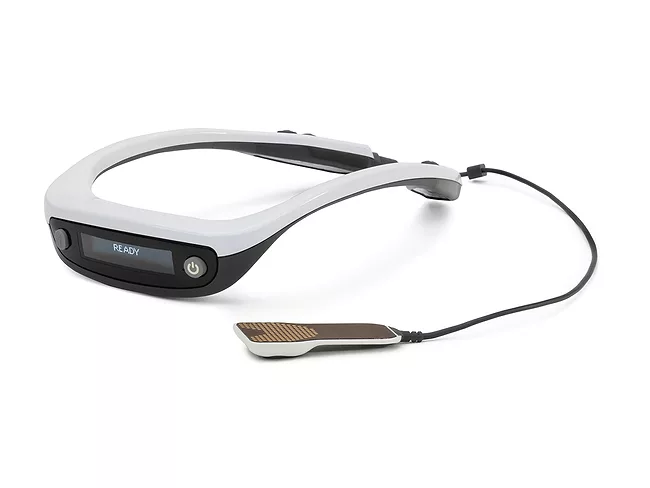
The FDA has designated Impedimed Ltd.’s Sozo digital health platform a breakthrough device for renal failure, paving the way for the first FDA approved device to measure fluid volume in the dialysis setting.
Although COVID-19 is still dictating how things are done in the U.S. and throughout the world, the FDA looked beyond the pandemic in an update to its guidance on conducting clinical trials of medical products during the public health emergency.
Pfizer Inc. reported on Aug. 30, 2021, that its JAK inhibitor, abrocitinib, beat Dupixent (dupilumab, Regeneron Pharmaceuticals Inc./Sanofi SA) in a head-to-head study of patients with moderate to severe atopic dermatitis. In the JADE DARE study, a higher percentage of patients taking abrocitinib had a 4-point improvement in the severity of Peak Pruritus Numerical Rating Scale (PP-NRS4) from baseline to week two compared to Dupixent.
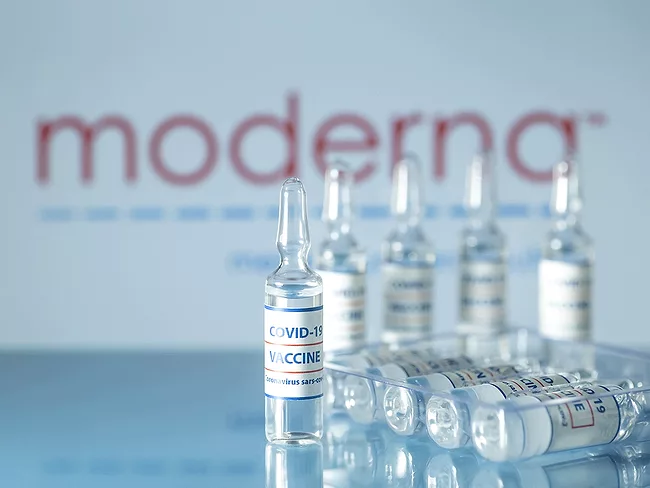
Higher antibody titer levels were found in participants receiving two doses of Moderna Inc.’s COVID-19 vaccine compared to those receiving the Pfizer Inc.-Biontech SE vaccine, according to a research letter published in JAMA.
Digital health has made only limited headway in the orthopedics space, but Zimmer Biome Inc. and Canary Medical Inc. have nudged the cause along with a smart implant that blends a 21st century sensor with a traditional knee replacement device. The marriage of Zimmer’s Persona knee implant and the Canary Medical Canturio TE sensor will give physicians a better way to track the patient’s recovery from knee replacement procedures.
The FDA has released two draft guidances under the safety and performance-based pathway for class II devices, proving some much-needed momentum for the agency’s fiscal year 2021 guidance agenda. The two drafts address performance metrics for facet screw systems and the use of resins in dentures, thus adding substantially to the number of class device types that can be reviewed outside the usual substantial equivalence mechanism ordinarily relied upon in the 510(k) program. The FDA began implementing the safety and performance-based pathway for devices in late 2019, an approach that serves as a substitute for the abbreviated 510(k) mechanism.
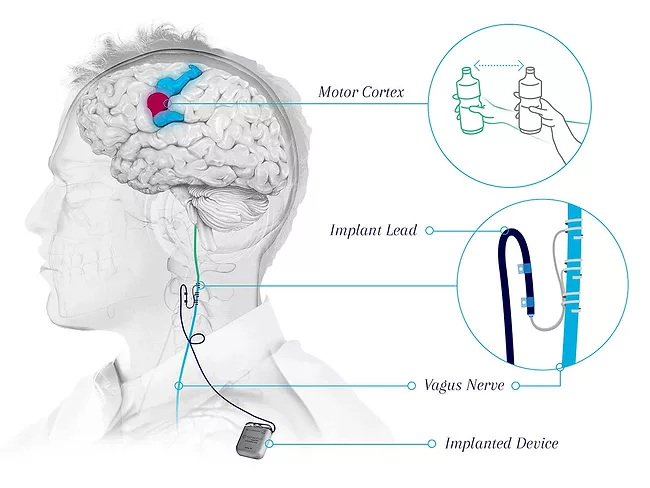
Vagus nerve stimulation (VNS) researchers notched another success with FDA approval of a drug-free rehabilitation system that uses the technology to help patients who have lost mobility in their hands and arms as a result of ischemic stroke regain function. Microtransponder Inc.’s Vivistim pairs rehabilitation exercises with VNS to enhance their impact. The clinical study evaluated by the FDA for the system's approval showed that Vivistim doubled the improvement in upper extremity motor function compared to supervised rehabilitative exercises alone at six weeks and 90 days.
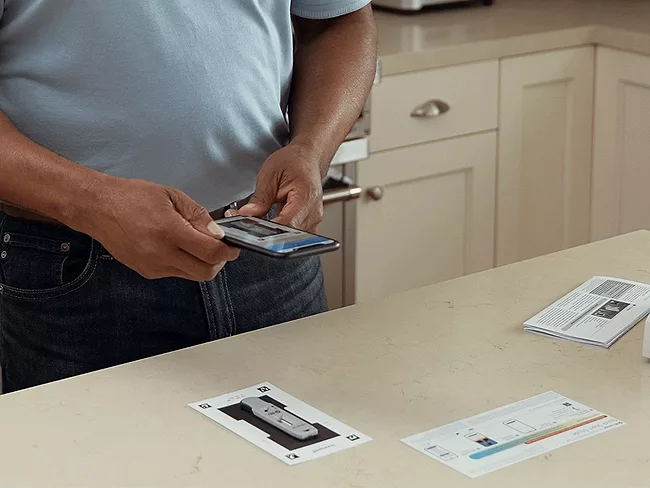
The FDA has issued an emergency use authorization (EUA) for Becton, Dickinson & Co.’s (BD) Veritor At-Home COVID-19 test – a rapid COVID-19 digital antigen test. The test, which is designed for home use, uses a mobile app from Los Angeles-based Scanwell Health Inc. that provides instructions on how to collect and transfer the nasal swab sample to the test stick. The smartphone camera is then used to capture, analyze and interpret results within 15 minutes. BD said it will initially be rolled out to businesses, schools and governments looking to provide a self-testing option.
Helius Medical Technologies Inc. has received an FDA breakthrough device designation for its Portable Neuromodulation Stimulator (Pons) device for temporary treatment of dynamic gait and balance deficits due to stroke.
The wave of home-use tests for the COVID-19 pandemic has amplified the question of how device makers might validate such a test, but there is also the question of how to convert a device from prescription-only (Rx-only) use to over-the-counter (OTC) status to consider. The FDA has provided an update on OTC devices, which indicates that a conversion from prescription-only use to OTC use will require usability testing and a new regulatory filing, but the update conflicts with the agency’s own policy on changes to a device undertaken only to convert the label from prescription to OTC use.
 RSS
RSS