CDC director Rochelle Walensky’s early morning announcement on Sept. 24 recommending boosters for certain frontline workers was considered wise by some but as undermining her advisers and the process by others. She endorsed the Advisory Committee on Immunization Practices’ recommendation for booster doses of the Pfizer Inc.-Biontech SE COVID-19 vaccine but overruled one of the panel’s Sept. 23 decisions by adding boosters for people ages 18 to 64 who are at increased risk of COVID-19 exposure and transmission due to occupational or institutional setting, based on their individual benefits and risks.
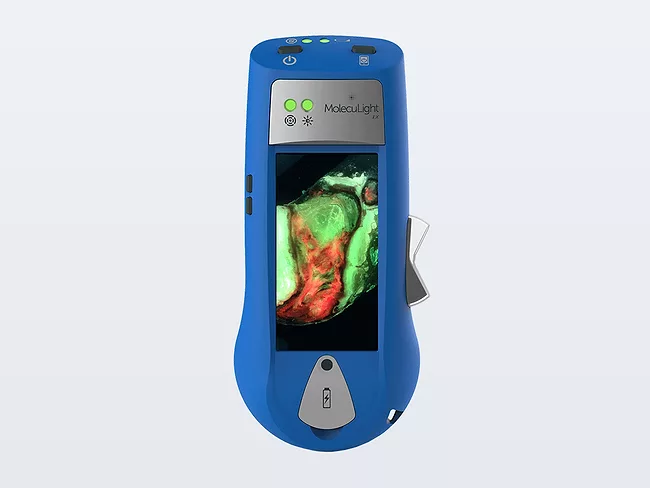
Clinicians may soon be able to identify wounds likely to have difficulty healing before they deteriorate thanks to the FDA’s 510(k) clearance for Moleculight Inc.’s i:X imaging device for detection of wounds containing high levels of Pseudomonas aeruginosa (PA). The point-of-care i:X visualizes fluorescence, with wounds containing elevated levels of PA glowing cyan.
While the FDA has not provided transcriptions for device user fee meetings in roughly five months, the agency is still demonstrably determined to increase the volume of user fees. A source close to the negotiations told BioWorld that the latest proposal from the agency, dated Sept. 22, would require that industry come up with roughly $2.5 billion over the next five fiscal years, more than double the amount under MDUFA IV.
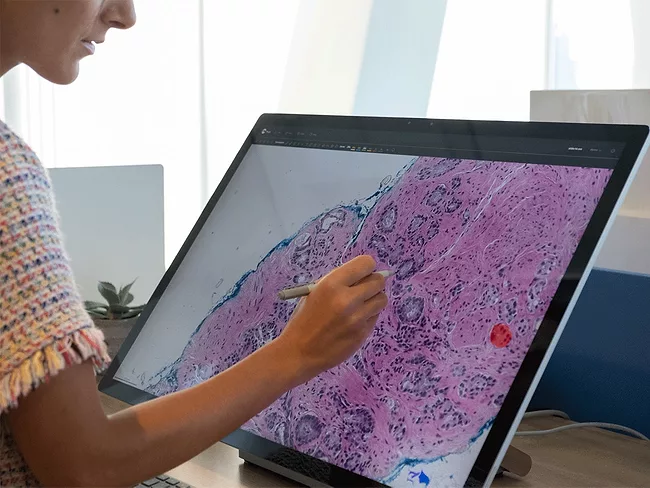
The FDA granted de novo marketing authorization for Paige Prostate, artificial intelligence (AI)-driven software that improves detection of prostate cancer. The clinical study submitted to the FDA demonstrated that using Paige Prostate resulted in a 7% improvement in sensitivity in correctly diagnosing cancer, increasing from 89.5% to 96.8%.
Following late-stage studies in which Incyte Corp.'s topical ruxolitinib candidate significantly reduced skin inflammation and itch associated with atopic dermatitis (AD), the FDA has approved the medicine, making it the first and only topical JAK inhibitor approved in the U.S.
Biogen Inc. and Samsung Bioepis Co. Ltd. gained FDA clearance for Byooviz (ranibizumab-nuna), a biosimilar that references the VEGF therapy Lucentis (ranibizumab) from Roche Holding AG, as a treatment for wet age-related macular degeneration, macular edema following retinal vein occlusion and myopic choroidal neovascularization.
Takeda Pharmaceutical Co. Ltd. has grabbed a slice of the non-small-cell lung cancer (NSCLC) market, becoming the first company to gain FDA approval for an oral drug targeted against a rare form of the disease.
The U.S.FDA said the recall of two models of the Pipeline Flex embolization devices is due to a risk that the delivery system’s wire and tubes will fracture during placement of the stent. The agency said the recall is associated with 59 reports of malfunction, 10 serious injuries and two fatalities, making this a class I event.
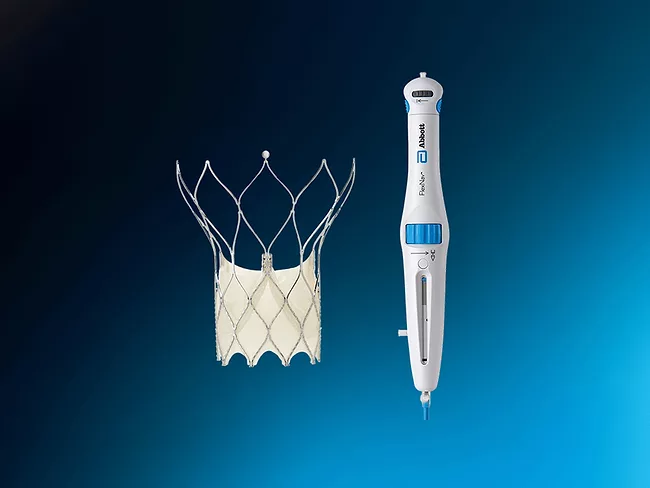
Roughly a decade has passed since the FDA first approved a transcatheter aortic valve replacement (TAVR) device, but the U.S. market has proven difficult to access for more than a small number of manufacturers. Abbott Laboratories, of Abbott Park, Ill., is now a player in the market with the FDA’s approval of the Portico device, a product that was first implanted in a human subject in 2011, a clear demonstration of the difficulty of moving these devices from research and development to the market.
 RSS
RSS