The follow-up to the U.S. 21st Century Cures Act, dubbed Cures 2.0, encodes several anticipated features such as a Medicare coverage mechanism for breakthrough devices and the Advanced Research Projects Agency for Health (ARPA-H). Less expected was a provision for the use of real-world evidence in evaluation of the safety and effectiveness of drugs and biologics after FDA approval, a provision that could prove useful in post-approval evaluations of products such as Biogen’s Aduhelm.
Although the U.S. CDC considers myocarditis to be a rare event linked to mRNA COVID-19 vaccines, the FDA is adding a warning about the adverse event to its doctor and patient fact sheets for the vaccines.
More than two weeks after the FDA gave its go-ahead to Biogen Inc.’s Aduhelm (aducanumab), controversy still rages over the accelerated approval as well as the price for the anti-amyloid beta monoclonal antibody for Alzheimer’s disease (AD). Embattled U.S. regulators made the uncommon move of releasing documents – with more due to be made public later – that show the internal deliberations that led to Aduhelm’s clearance.
The FDA and industry are deep into the negotiations over the next device user fee, with the usual array of concerns such as premarket program performance and the volume of user fees. Jeff Shuren, director of the FDA’s Center for Devices and Radiological Health (CDRH), has once again given voice to a perceived need for a significant boost in user fee volumes in an interview with a major trade association, suggesting that device makers can expect a significant uptick in fees for PMAs and 510(k)s in the years ahead.
With the July 25 PDUFA priority review date looming for Incyte Corp.’s retifanlimab as a second-line treatment for advanced or metastatic anal cancer, the FDA has one voting question for its Oncologic Drugs Advisory Committee (ODAC): Should it hold off on its approval decision until more data are in from a phase III study?
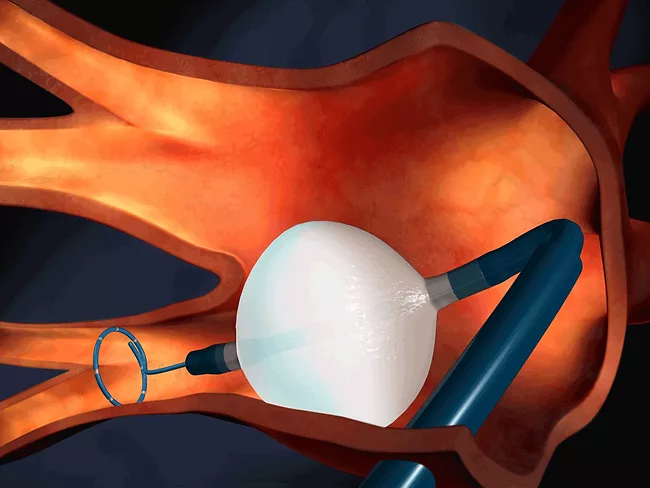
Medtronic plc won expanded FDA 510(k) approval for its Arctic Front family of cardiac cryoablation catheters for alternative treatment of recurrent symptomatic paroxysmal atrial fibrillation (AF) as an alternative to the current standard first-line treatment, antiarrhythmic drug (AAD) therapy. The Arctic Front family of catheters are the first catheter ablation devices in the U.S. approved to help physicians improve AF patient outcomes before drug failure. They have also been proven to shorten the time to diagnosis, according to Dublin-based Medtronic.
A new FDA discussion paper addresses cybersecurity issues specific to the servicing of medical devices, with the goal of guiding the conversation about potential challenges and opportunities. It coincides with a larger agency initiative to provide more clarity on servicing.
It’s not unusual for women to have some uterine contractions during pregnancy. Many of these go unnoticed, but others can be strong and feel like labor. Distinguishing between normal contractions and those that are not can help ensure women at risk of preterm labor get the extra medical care they need. To that end, Tel Aviv-based Nuvo Group Ltd. has launched an FDA-cleared uterine activity (UA) module on its Invu remote monitoring platform.
Shares in Orphazyme A/S cratered after the FDA rejected its arimoclomol for Niemann-Pick disease type C, a rare and potentially fatal inherited condition where fat builds in tissues and organs.
The FDA responded on Thursday to longtime industry calls for the agency to clarify the distinction between the “serving” and “remanufacturing” of a medical device with new draft guidance to provide consistency and a better understanding of the applicable statutory and regulatory requirements. The 35-page document details its current thinking on the distinction.
 RSS
RSS