Mallinckrodt plc is engaging with the U.S. FDA, NIH and the Biomedical Advanced Research and Development Authority to address the potential use of its INOmax (nitric oxide) inhaled gas to treat COVID-19-associated lung complications. INOmax is marketed in the U.S. by the Staines-upon-Thames, U.K.-based company to treat full- and near-term neonates with hypoxic respiratory failure associated with pulmonary hypertension.
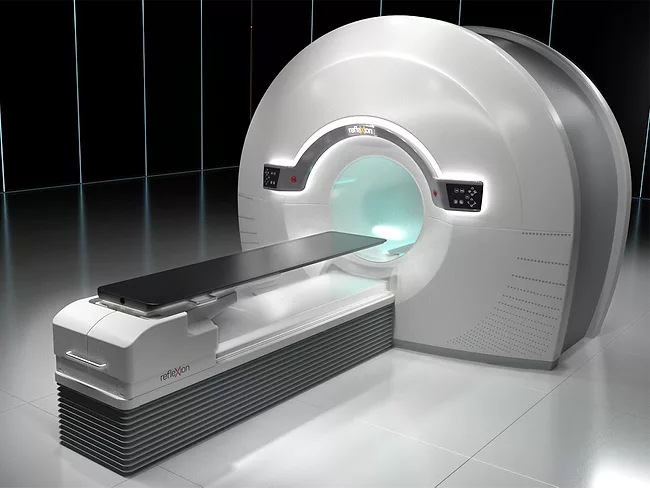
Hayward, Calif.-based Reflexion Medical Inc. has received the green light from the U.S. FDA to market its Reflexion X1 system for standard radiation therapy treatments. The company, which also is breaking new ground with the development of biology-guided radiotherapy (BgRT), aims to eventually bring multi-tumor precision radiotherapy to all stages of cancer treatment. The FDA cleared the Reflexion X1 for stereotactic body radiotherapy, stereotactic radiosurgery and intensity modulated radiotherapy. The clearance allows physicians to treat a single tumor with precise beam shaping and radiation dose delivery.
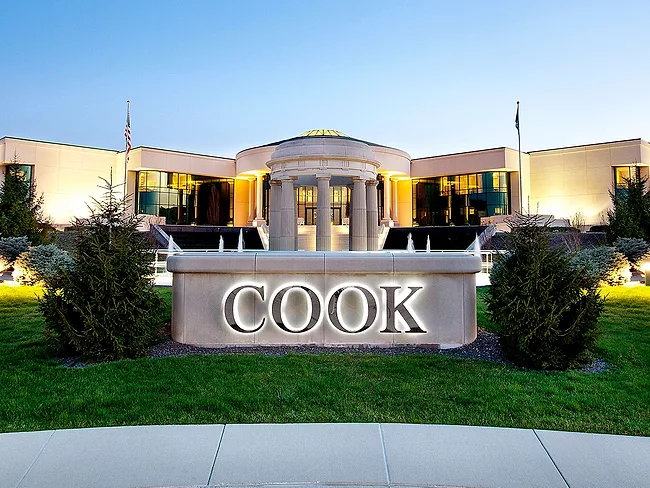
Balloon catheters are in abundant use across the human vasculature. Thus, the January U.S. FDA draft guidance for angioplasty and specialty catheters captured a range of critical devices. However, Stephen Ferguson, of Bloomington, Ind.-based Cook Group Inc., cited several problems he saw with the draft, including that one of the specifications for balloon fatigue testing exceeds the level spelled out in an international standard adopted by the FDA.
Medical devices are known to be iterative, but so are FDA guidances, and the 2018 draft guidance for third-party review of 510(k) applications was the second such document in two years. The 2020 final guidance made another adjustment or two based on feedback from industry, including a specific note that the intent of the guidance is to eliminate any need for routine FDA re-review of 510(k)s reviewed by third parties.
U.S. FDA commissioner Stephen Hahn appeared before a congressional panel to discuss the administration’s budget proposal for the agency, but the outbreak of COVID-19 predictably dominated the proceedings.
Avellino Lab USA Inc. has developed a diagnostic test for the novel coronavirus SARS-CoV-2, which has been validated in keeping with the U.S. Food and Drug Administration (FDA)'s Policy for Diagnostics Testing in Laboratories Certified to Perform High-Complexity Testing under CLIA prior to Emergency Use Authorization for Coronavirus Disease-2019 during the Public Health Emergency. Physicians can order the assay now, while the company continues testing.
PERTH, Australia – The FDA granted Melbourne-based Neuren Pharmaceuticals Ltd. and San Diego, California-based Acadia Pharmaceuticals Inc. a rare pediatric disease designation for trofinetide for treatment of Rett syndrome, a rare neurodevelopmental congenital central nervous system disorder.
Despite the growing concerns about the potential for the community spread of COVID-19 in the U.S., the FDA-FTC public workshop on competition in the biologics marketplace went ahead as scheduled March 9, playing to a full house with some audience members sitting in an overflow room. And all the invited speakers and people registered to speak during the open public hearing session showed up.
With the FDA approval of Novartis AG’s Isturisa (osilodrostat), an oral treatment for adults with Cushing’s disease, Recordati SpA, of Milan, is planning its U.S. market launch for the second or third quarter of this year. Recordati, which acquired Isturisa’s worldwide rights from Novartis in October for $390 million, expects sales to peak at $100 million annually.
“For those of us who believe in a free market, it is really important that the market works well,” FDA Commissioner Stephen Hahn said March 9 at a public workshop on ensuring a U.S. biologic marketplace that includes sustainable biosimilar and interchangeable competition.
 RSS
RSS