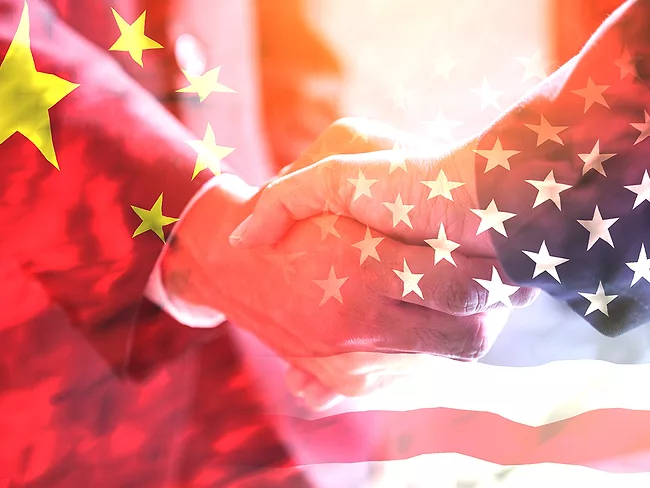
The recent introduction of the bipartisan Biotech Investment National Security Act in the U.S. House has industry and venture capitalists urging lawmakers to take a breath, step back, and consider a less invasive approach than restricting U.S. biopharma deals with Chinese innovators.
Wuxi Apptec isn’t going down without a fight after the U.S. Department of Defense added it to the Section 1260H list June 8 as a designated “Chinese military company,” which makes it a “biotechnology company of concern” under the Biosecure Act. “Such designation is mistaken and baseless,” the global contract research, development and manufacturing organization said in an open letter to its life sciences partners. “We will pursue every available avenue to correct this mistake.” That includes appealing the designation.
The recent introduction of the bipartisan Biotech Investment National Security Act in the U.S. House has industry and venture capitalists urging lawmakers to take a breath, step back, and consider a less invasive approach than restricting U.S. biopharma deals with Chinese innovators.
On the heels of the multibillion-dollar licensing deal between Bristol Myers Squibb Co. and Jiangsu Hengrui Pharmaceuticals Co. Ltd., Chairman John Moolenaar (R-MI), of the House Select Committee on the Chinese Communist Party, sent a letter to Treasury Secretary Scott Bessent urging him to add biotechnology as a prohibited technology under the Comprehensive Outbound Investment National Security (COINS) Act of 2025.
On the heels of the multibillion-dollar licensing deal between Bristol Myers Squibb Co. and Jiangsu Hengrui Pharmaceuticals Co. Ltd., Chairman John Moolenaar (R-MI), of the House Select Committee on the Chinese Communist Party, sent a letter to Treasury Secretary Scott Bessent urging him to add biotechnology as a prohibited technology under the Comprehensive Outbound Investment National Security (COINS) Act of 2025.
On the heels of the multibillion-dollar licensing deal between Bristol Myers Squibb Co. and Jiangsu Hengrui Pharmaceuticals Co. Ltd., Chairman John Moolenaar (R-MI), of the House Select Committee on the Chinese Communist Party, sent a letter to Treasury Secretary Scott Bessent urging him to add biotechnology as a prohibited technology under the Comprehensive Outbound Investment National Security (COINS) Act of 2025.
Now that the FDA is on board with doing away with the U.S.’ unique two-tier biosimilar pathway, the biosimilar industry is urging Congress to pass the bipartisan Biosimilar Red Tape Elimination Act, which would recognize that biosimilars and interchangeables are one and the same.
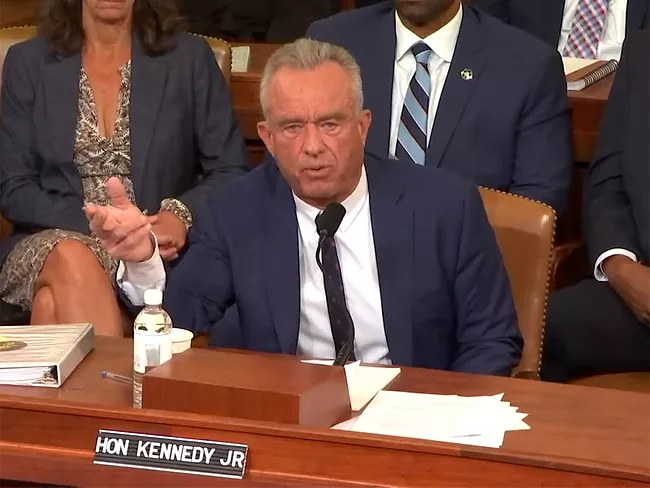
U.S. Health and Human Services (HHS) Secretary Robert Kennedy made his first stop April 16 on a congressional tour in support of President Donald Trump’s proposed fiscal 2027 budget, which would reduce discretional spending for HHS and its agencies by about 12%.
The U.S. FDA sent out a friendly reminder to more than 2,200 sponsors and researchers, associated with more than 3,000 clinical trials, who may be delinquent in disclosing the results of those studies on clinicaltrials.gov.
With three rare pediatric disease priority review vouchers (RPD PRVs) awarded just since the end of March, the nearly year-and-a-half lapse in the program’s reauthorization seems to have had little short-term impact. The three new vouchers bring the total RPD PRVs granted so far this year to seven – one more than the agency issued all last year and down two from the nine given in 2024.
 RSS
RSS