Monte Rosa Therapeutics Inc. has synthesized molecular glue degraders comprising a E3 ubiquitin-protein ligase binding moiety coupled to a cyclin-dependent kinase 2 (CDK2)-targeting moiety acting as cyclin-dependent kinase 2 (CDK2) degradation inducers potentially useful for the treatment of cancer.
When used as monotherapy against tumors, small molecules that mimic the SMAC protein and thereby inhibit apoptosis are ineffective. The same is true for inhibitors of BET family proteins. If each therapy on its own does not work, what about the two therapies together?
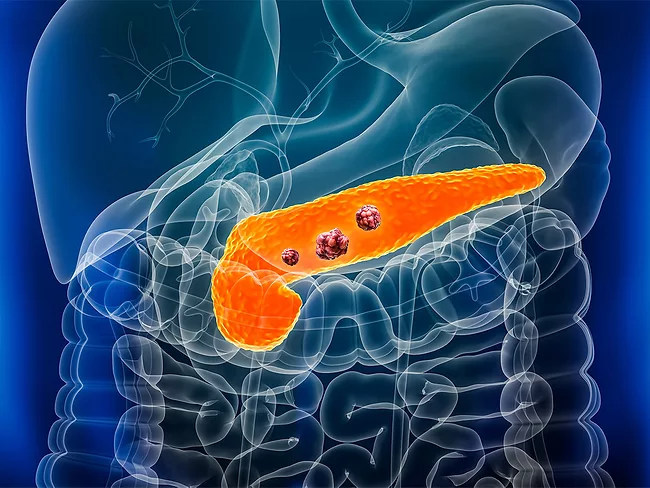
Pancreatic cancer remains one of the deadliest cancers, with survival rates showing little improvement over decades and projections placing it as the second leading cause of cancer deaths by 2030. Chemotherapy is essential for all patients, yet most tumors lacking BRCA1/2 or PALB2 mutations show resistance to cisplatin. Growing evidence suggests that targeting nuclear factor NF-κB, a key driver of cancer progression, could help overcome this chemoresistance and improve treatment outcomes.
Glioblastoma, the most aggressive and lethal form of brain cancer in adults, has long evaded effective treatment due to its resistance to standard therapies, including surgical resection, radiation, chemotherapy and targeted agents.
A recently published study in the Journal for Immunotherapy of Cancer presents a novel bispecific antibody-cytokine fusion protein that effectively enhances antitumor immunity.
Prelude Therapeutics Inc. has prepared and tested new proteolysis targeting chimera (PROTAC) compounds comprising an E3 ubiquitin ligase-binding moiety coupled to probable global transcription activator SNF2L2 (SMARCA2; BAF190B; SNF2-α) and SMARCA4-targeting moiety through a linker.
Non-small-cell lung cancer (NSCLC) accounts for up to 85% of all cases of lung cancer, which is the most frequent cause of cancer-related deaths worldwide. The need for effective treatments against NSCLC is urgent, and one promising target is pyruvate kinase M2, which plays metabolic and nonmetabolic roles in the cell. This enzyme has been implicated in various cancers beyond NSCLC, including pancreatic, gastric and breast cancers.
Bionova Pharmaceuticals Ltd. has identified methylthioadenosine (MTA) synergistic protein arginine N-methyltransferase 5 (PRMT5) inhibitors reported to be useful for the treatment of cancer.

 RSS
RSS