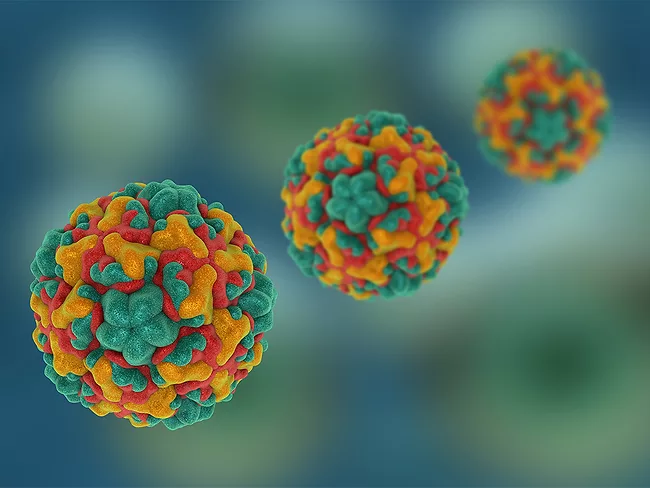
Challenges in developing antiviral agents against rhinoviruses (RVs) include their genetic heterogeneity (over 160 serotypes), rapid evolution of the viral capsid and serotype-specific immunity. To overcome these limitations, alternative approaches targeting host cellular pathways essential for viral replication have been proposed.
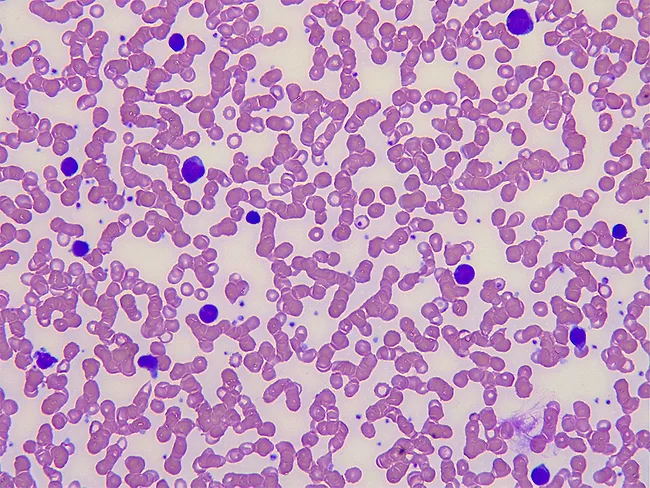
An Anglo-American team of researchers has devised a new computational method for quantifying Epstein-Barr virus (EBV) directly from human genome sequences and used this to identify 22 genes that link higher levels of the virus to a range of chronic diseases. The new method sets the scene for further exploration of biobank DNA sequence data to gain greater understanding of the nature and the role of the human virome, the 10(13) – largely unstudied – viral particles that coexist in humans.
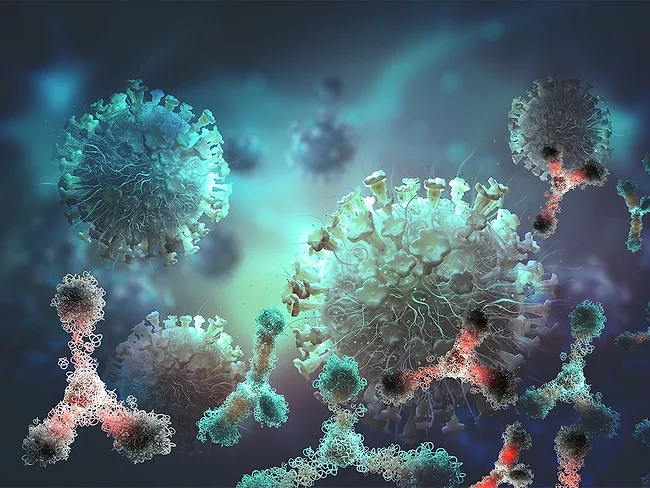
Human respiratory syncytial virus (RSV) and human metapneumovirus (hMPV) can cause severe and lethal bronchiolitis and pneumonia among particularly vulnerable populations, mostly infants, the elderly and immunocompromised patients. Researchers from Vanderbilt University Medical Center have isolated and characterized novel antibodies that cross-neutralize RSV and hMPV.
The immune system is a critical factor of host survival, allowing resistance to infections and maintaining tissue integrity. The activation of immune responses requires precise regulation to assure a balance between the benefits and costs of these responses. Moreover, the theory of antagonistic pleiotropy proposes that traits beneficial to early-life fitness may sustain costs that manifest later in life, after the period of strongest natural selection, where aging introduces further complexities for cooperative defenses. As a result of this, hosts of different ages may manifest distinct disease courses despite infection with the same pathogen.
Centre Hospitalier Regional Universitaire de Lille has patented new 3C-like proteinase (3CLpro; Mpro; nsp5) (SARS-CoV-2; COVID-19 virus) inhibitors reported to be useful for the treatment of SARS-CoV-2 infection (COVID-19).
NF-κB-inducing kinase (NIK), also known as MAP3K14, is the key kinase driving noncanonical NF-κB signaling and p100 processing. Researchers from China Pharmaceutical University reported the discovery and preclinical evaluation of a novel NIK inhibitor.
Researchers from Merck & Co. reported the development of MK-7762, a novel oxazolidine with antitubercular activity designed to overcome the off-target effects of linezolid.
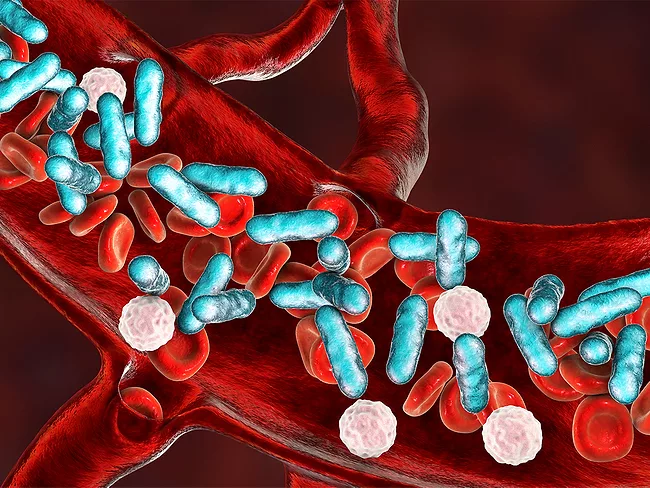
Multidrug-resistant (MDR) gram-positive bacteria can evade last-line therapies, such as vancomycin, daptomycin and linezolid, through the development of sophisticated resistance mechanisms that include inactivation of target enzymes, mutations in binding sites, alterations in membrane permeability and overexpression of efflux pumps.
Smartbax GmbH has in-licensed a new compound class from the antibacterial portfolio of Aicuris Anti-infective Cures AG to expand its proprietary pipeline of small-molecule antibiotics.
The range of effects caused by rhinoviruses – the pathogens responsible for the common cold – motivated scientists at Yale University to study the human nasal epithelium and uncover a previously undescribed defense mechanism. The interferon-mediated protective response in these cells can limit infection, whereas a maladaptive response tends to worsen it. Based on these findings, the researchers have identified potential therapeutic targets to reduce inflammation associated with rhinovirus infection.
 RSS
RSS