Researchers from GSK plc and collaborators described the identification of MMV-1581361, a PfATP4 inhibitor, and its efficacy in models of malaria. The compound originates from MMV-020136, following structure-activity relationship studies to optimize antimalarial activity.
CAR T-cell therapy can be applied to treat some chronic infectious diseases, particularly to provide a functional cure for HIV-1 in people living with HIV. However, the effectiveness of CAR T cells for persistent suppression of HIV still faces many constraints, including the high mutation rate of reverse transcriptase, which enables the emergence of immune escape viral variants.
Researchers from Chengdu Kanghua Biological Products Co. Ltd. recently published information on their novel varicella zoster virus (VZV) mRNA vaccine candidate (KH014). KH014 contains sequence-optimized mRNAs encoding full-length glycoprotein E encapsulated in ionizable lipid nanoparticles.
A team at the Virginia Polytechnic Institute and State University applied a drug repurposing strategy and screened a library of 2,528 small molecules targeting G protein-coupled receptors (GPCRs) and related signaling pathways for the ability to inhibit the growth of Neisseria gonorrhoeae.
Tessera Therapeutics Inc. has received a grant from the Gates Foundation to support early-stage research exploring multiple genetic approaches aimed at developing a scalable cure for HIV. This research will evaluate several potential strategies leveraging Tessera’s Gene Writing platform to engineer immune cells in vivo.
Sichuan Kelun Pharmaceutical Co. Ltd. has discovered new lanosterol 14α-demethylase (CYP51) inhibitors reported to be useful for the treatment of Candidal infection and aspergillosis.
KSP-1007 is a new bicyclic boronate-based broad-spectrum β-lactamase inhibitor that, in combination with meropenem, is under development for the treatment of infections caused by carbapenem-resistant gram-negative bacteria that produce serine- and metallo-type carbapenemases.
Aptar Pharma, part of Aptargroup Inc., has established a technical collaboration with Covirix Medical Pty Ltd. under a letter of intent to develop inhaled antiviral treatments.
Shionogi & Co. Ltd. has disclosed heterocyclic derivatives characterized as reverse transcriptase/ribonuclease H (HIV-1) inhibitors for potential use in the treatment of HIV infection.
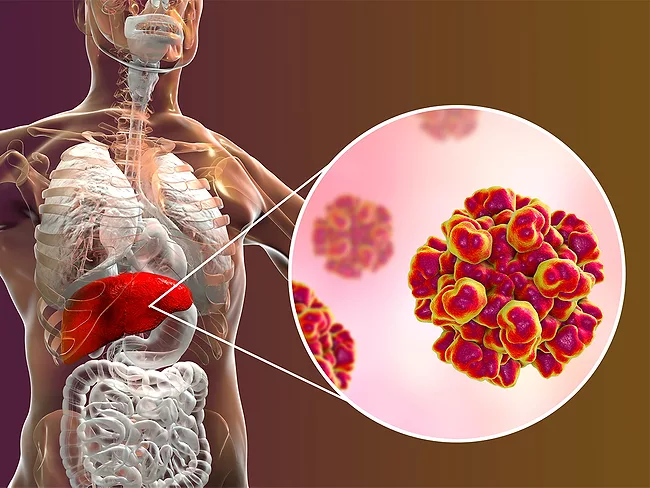
Atea Pharmaceuticals Inc. recently presented preclinical data on two of its compounds, AT-2490 and AT-587, which have shown promising antiviral potential for treating hepatitis E virus infection.
 RSS
RSS