Researchers from Sunshine Biopharma Inc. and the University of Arizona reported the discovery and preclinical characterization of MR-1-114, a noncovalent inhibitor of the SARS-CoV-2 papain-like protease (PLpro).
News of eight infections and three deaths so far due to an emerging zoonotic virus has brought back unhappy memories of the early days of SARS-CoV-2. At a press conference on Thursday, officials from the WHO did their best to calm the public’s fears that the MV Hondius, the ship currently heading to the Canary Islands with its remaining passengers plus assorted medical, WHO and European Center for Disease Prevention and Control staff, is the 2026 version of the Diamond Princess.
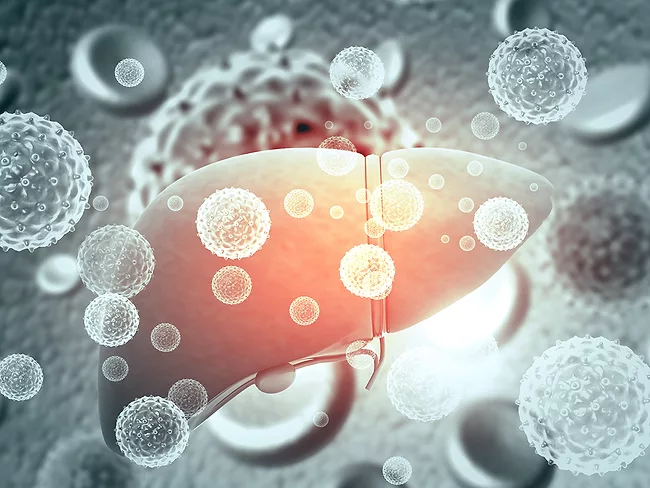
Conventional mouse models are not susceptible to hepatitis A virus (HAV) because murine adaptor protein MAVS is not efficiently cleaved by HAV protease precursors, so intact type I interferon (IFN) signaling blocks productive infection. However, IFN receptor knockout (KO) mice are susceptible to HAV infection and show hallmark features of the infection, having recently been identified as a potential disease model. Researchers from Genematrix Inc. aimed to determine whether nonclinical efficacy studies can be performed in small animal models.
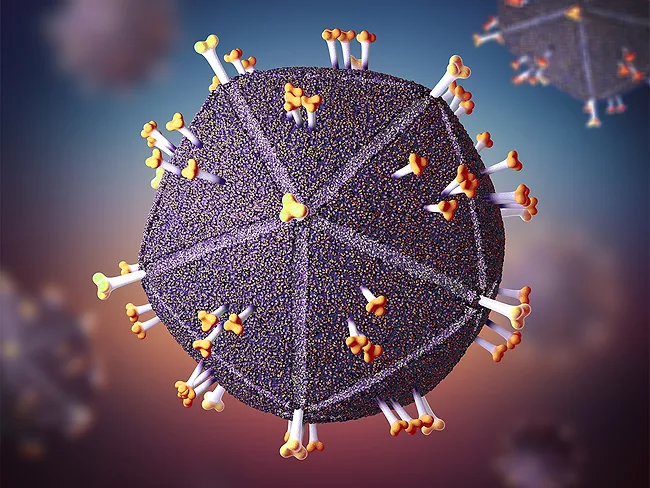
A designed chimeric virus induced broadly neutralizing antibodies (bNAbs) against the macaque equivalent of HIV. The strategy works in two steps: first it uses an envelope protein (Env) with a mutation that reduces the glycan shield that makes it invisible to the immune system, and then it exposes the part of the protein most likely to generate these antibodies capable of blocking many variants of the virus. The macaques developed potent and diverse antibodies with this approach, which pave the way for the development of an HIV-1 vaccine.
Scientists at the La Jolla Institute for Immunology have identified and characterized human antibodies that neutralize the measles virus by blocking its entry into the cell. This is the first time that antibodies have been shown to bind effectively to two essential viral proteins, creating a dual blockade that prevents infection. Unlike the current vaccine, which is based on an attenuated virus and is not recommended for immunocompromised individuals, these monoclonal antibodies could be used both as a new vaccine approach and as a treatment for the entire population.
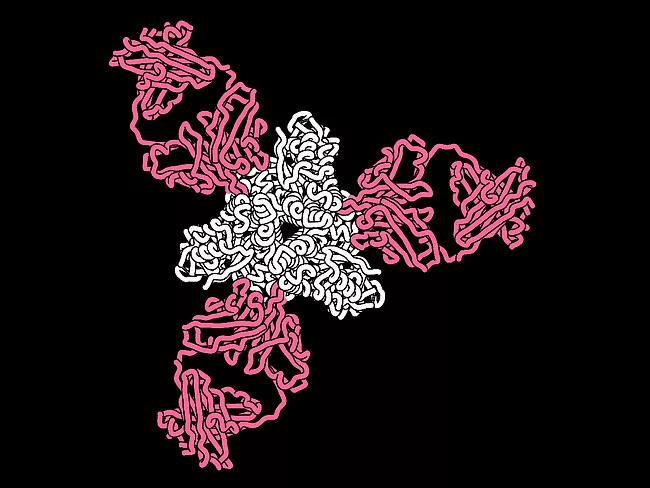
A new vaccination strategy designed to induce antibodies that recognize the apex of the HIV Env protein uses Env trimers displayed on liposomes to increase their density and orient them correctly. This presentation enhanced apex-focused antibody responses in macaques, and the monoclonal antibodies isolated after immunization showed binding modes and structural features resembling human broadly neutralizing antibodies (bNAbs), indicating that the vaccine can steer the antibody response toward this vulnerable site.
Aventera Antibodies AB has successfully raised SEK14.5 million (US$15.6 million) in a funding round to support the preclinical development of the company’s lead drug candidate for life-threatening streptococcal infections.
CARB-X (Combating Antibiotic-Resistant Bacteria Biopharmaceutical Accelerator) is awarding US$2.6 million to Adjane Holding BV to advance the development of a vaccine candidate to prevent infections caused by Neisseria gonorrhoeae.
Multidrug-resistant Klebsiella pneumoniae is a major health problem globally, with relevant infection-related mortality reported. Researchers from the Instituto de Salud Carlos III in Spain and their collaborators recently presented data regarding an outer membrane vesicle (OMV) vaccine for the management of K. pneumoniae infection, Kp-OMV4.
 RSS
RSS