TMEM97 regulates microglial activation and neuronal stress pathways linked to neuropathic pain and neuroinflammation in multiple sclerosis (MS). Pharmacological targeting of TMEM97 has shown neuroprotective effects in models of traumatic brain injury, Huntington’s disease and retinal ganglion cell degeneration, and may reduce pain while preserving neuronal function.
Laminins are extracellular matrix (ECM) glycoproteins that preserve the structural and functional integrity of tissues. These heterotrimeric proteins, composed of one α, β and γ chain encoded by different genes, provide mechanical support, facilitate cell adhesion and maintain tissue organization and stability.
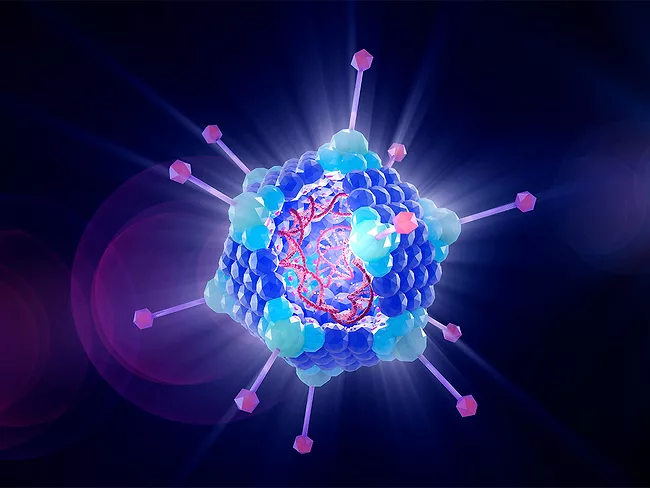
Astellas Pharma Inc. recently presented data regarding ASP-2246, a drug candidate comprised of an mRNA encoding the transcription factor NeuroD1 encapsulated in lipid nanoparticles.
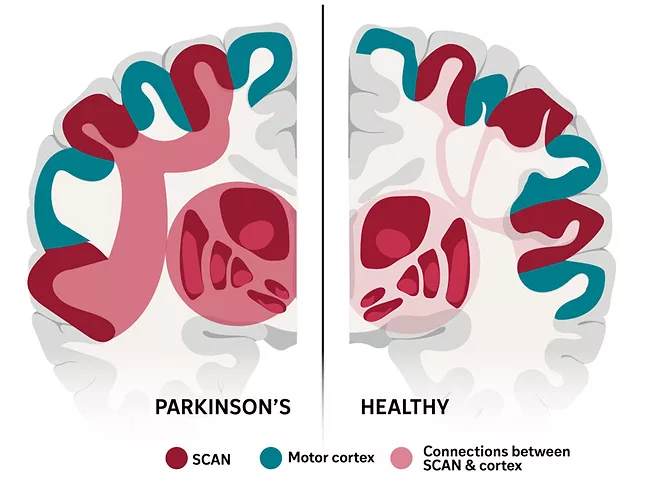
Parkinson’s disease (PD) is a neurodegenerative disorder that affects movement, and tremor is one of its signatures. But it is a much more wide-ranging disorder, and patients experience problems with cognitive and emotional processes as well. SCAN, the somato-cognitive action network identified in 2023, could reshape the definition of PD. Treating this circuit can improve outcomes.
Yichang Humanwell Pharmaceutical Co. Ltd. has identified compounds acting as potassium voltage-gated channel subfamily KQT member 2/3 (KCNQ2/3) activators. They are reported to be useful for the treatment of amyotrophic lateral sclerosis, depression, epilepsy, stroke, multiple sclerosis, pain, and Alzheimer’s and Parkinson’s disease, among others.
Researchers from the University of Oxford and the Health Research Institute La Fe (Spain) investigated the potential of multigene RNA-based therapeutics in Alzheimer’s disease, aiming to overcome potential compensatory mechanisms and patient heterogeneity.
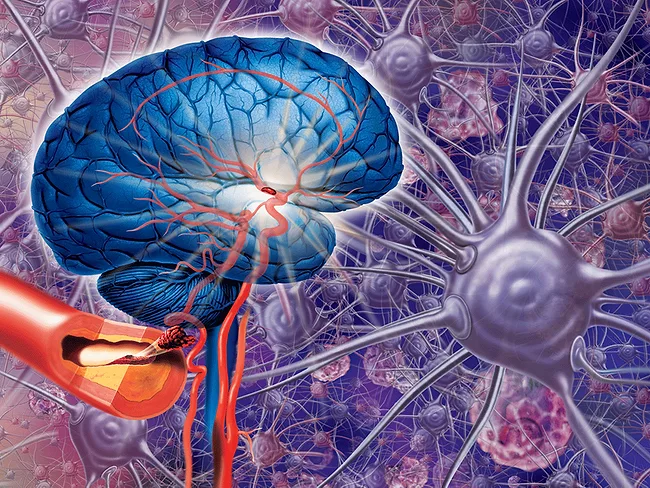
Solute carrier family 2, member 5 (GLUT5) is known to be upregulated in metabolic disorders and cancer, but its potential role in ischemic stroke is not well defined. Japanese researchers have now explored the association of GLUT5 expression with oxidative stress in ischemic stroke.
Haisco Pharmaceutical Group Co. Ltd. has disclosed new muscarinic M4 receptor agonists described as potentially useful for the treatment of substance abuse and dependence, Alzheimer’s disease, pain, schizophrenia and sleep disorders.

 RSS
RSS