South Korean researchers led by Lee In-suk of Yonsei University have reported the most complete oral microbiome catalog to date, with more than 72,000 genomes. Detailed in Cell Host & Microbe on Nov. 12, 2025, the database is expected to serve as a universal platform for academia and enable “precision microbiome medicine” for the industry, Lee told BioWorld.
“New explosions in biotechnology are allowing us to interrogate cancers at a very sophisticated level compared to before,” Dennis Slamon told audience members at the Global Bio Conference in Seoul, South Korea Sept. 3.
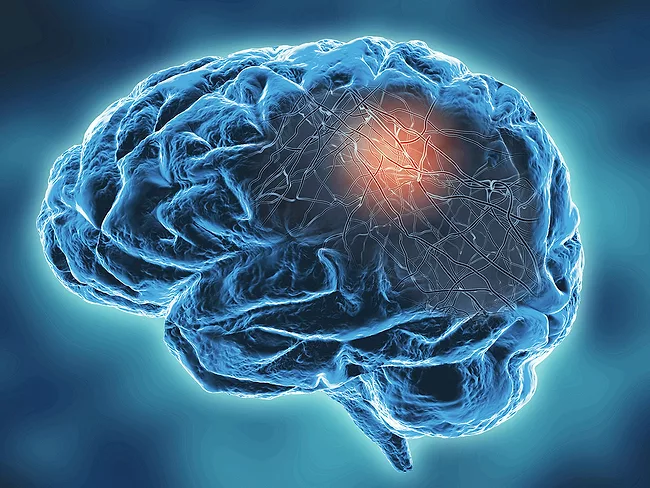
The switch will be flicked today to make the world’s largest dementia-related proteomics dataset freely available to researchers, at the same time as members of the consortium which compiled it publish the proteomics signatures of major neurodegenerative diseases that they uncovered in a first trawl of the data.
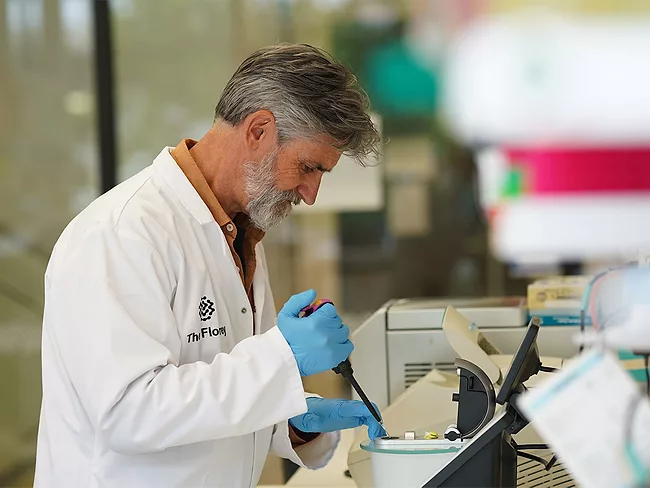
For the first time, researchers have identified that inflammation – long associated with multiple sclerosis (MS) – appears to cause increased mutations that damage neurons linked to MS progression. Researchers at the Florey Institute and the University of Melbourne studied MS brain lesions, which are areas of past or ongoing brain inflammation that are visible as spots on MRI scans.
Research into the regulation of gene expression experienced a significant breakthrough with the discovery of microRNA, small RNA molecules that do not code for proteins but control their translation. This finding has earned its discoverers – Victor Ambros and Gary Ruvkun – the 2024 Nobel Prize in Physiology or Medicine “for the discovery of microRNA and its role in post-transcriptional gene regulation.”
Research into the regulation of gene expression experienced a significant breakthrough with the discovery of microRNA, small RNA molecules that do not code for proteins but control their translation. This finding has earned its authors Victor Ambros and Gary Ruvkun the 2024 Nobel Prize in Physiology or Medicine.
Researchers have identified a gene associated with whether patients hospitalized with respiratory viral infections recover rapidly or face life-threatening complications. The gene has the potential to be used as a diagnostic tool or biomarker, which could help triage patients suffering from severe respiratory infections. Having such a biomarker would help clinicians in their early risk assessments to manage their intervention strategies.
 RSS
RSS