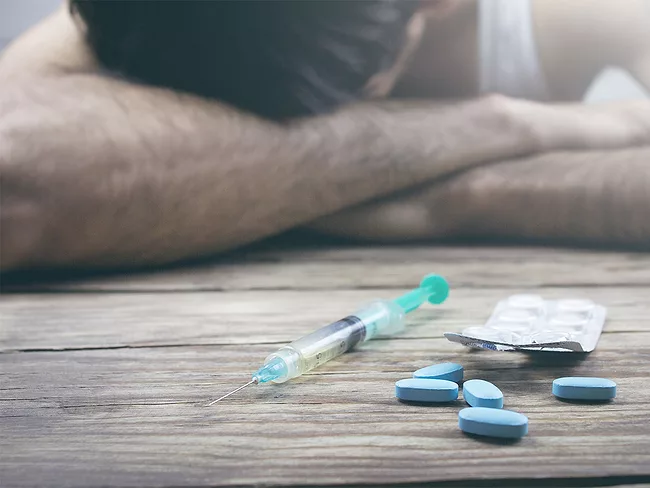
Elysium Therapeutics Inc. aims to tackle the problem of opioid overdose with a longer-lasting rescue agent that gets around the not-much-publicized problem of fentanyl rebound, or re-narcotization, which happens when the standard reverser wears off and the culprit drug stays active in the body, potentially killing the patient.
Following Nobel Prize-winning chemist David Baker’s recipe for cooking an antidote to cobra venom using artificial intelligence (AI) could be faster and more effective than currently available methods. The ingredients and steps can be found in a new study published by the University of Washington (UW) scientist in collaboration with the Technical University of Denmark. They are ready for the next steps in preclinical trials.
The U.S. FDA has issued a draft guidance for devices intended to address opioid use disorder (OUD), a problem with a massive public health footprint that has defied the efforts of public health programs. The draft guidance highlights some of the difficulties in executing pivotal studies for these devices, but the FDA’s July 27 press omits any mention of a 2018 innovation challenge for this category of devices, a programmatic effort that seems to have yielded little in the way of tangible results.
Free, no-prescription-required access to naloxone injectors and nasal sprays has reduced deaths from opioid overdoses by 11% in some communities, but they only work if someone with the reversal agent is available when a person overdoses. Many times, unfortunately, opioid users are alone when an overdose occurs. Resilient Lifescience Inc. hopes to save those lives, too. The company is developing a wearable patch that monitors vital signs and automatically administers naloxone when needed.
 RSS
RSS