BioWorld. Link to homepage.

Clarivate
  • BioWorld
  • BioWorld MedTech
  • BioWorld Asia
  • BioWorld Science
  • Data Snapshots
    • BioWorld
    • BioWorld MedTech
    • Infographics: Dynamic digital data analysis
    • Index insights
    • NME Digest
  • Special reports
    • Infographics: Dynamic digital data analysis
    • Trump administration impacts
    • Under threat: mRNA vaccine research
    • BioWorld at 35
    • Biopharma M&A scorecard
    • Bioworld 2025 review
    • BioWorld MedTech 2025 review
    • BioWorld Science 2025 review
    • Women's health
    • China's GLP-1 landscape
    • PFA re-energizes afib market
    • China CAR T
    • Alzheimer's disease
    • Coronavirus
    • More reports can be found here

BioWorld. Link to homepage.

  • Sign In
  • Sign Out
  • My Account
Subscribe
BioWorld - Monday, December 29, 2025
Home » Topics » Disease categories and therapies » Genetic/congenital

Genetic/congenital
Genetic/congenital RSS Feed RSS

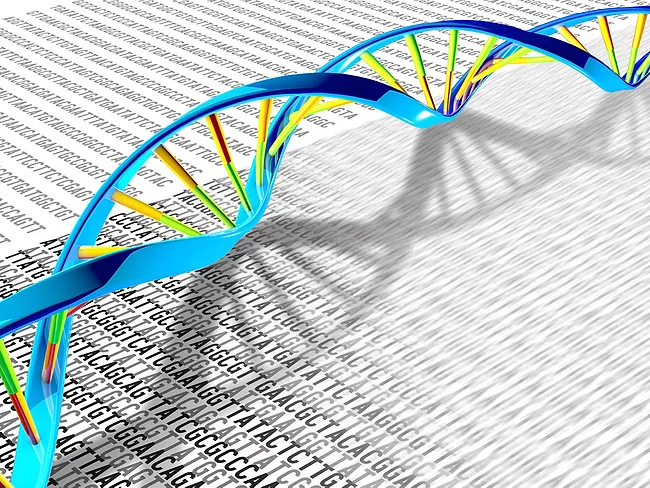
The DNA double helix overlays a field of ACGTs and binary numbers.

Gene editing advances progress, by moving three steps forward and two steps back

May 23, 2023
By Mar de Miguel
The discovery of DNA was a milestone in the history of science that led to a breakthrough in biomedical research. By associating disease and genetics, genome correction techniques were ultimately developed that are supposed to work in the same way that antibiotics and antivirals block pathogenic microorganisms: by directly attacking the causes of disease.
Read More
Genetic/Congenital

Poseida Therapeutics develops a new hybrid approach for OTCD treatment

May 23, 2023
Ornithine transcarbamylase deficiency (OTCD) is an X-linked genetic condition, the most common...
Read More
Bone marrow transplant operation
Genetic/Congenital

Ex vivo autologous gene therapy risk leaves room for improvement

May 22, 2023
By Mar de Miguel
Gene therapy technology makes it possible to select diseased or mutated cells from a patient, modify them in the laboratory and reintroduce them to the body to treat different disorders. This is known as ex vivo autologous gene therapy. The difference with allogeneic cell techniques is whether the donor is oneself (autologous) or a compatible person (allogeneic), which would provide healthy cells that do not need genetic modification.
Read More
The DNA double helix overlays a field of ACGTs and binary numbers.
Genetic/Congenital

Gene editing advances progress, by moving three steps forward and two steps back

May 19, 2023
By Mar de Miguel
The discovery of DNA was a milestone in the history of science that led to a breakthrough in biomedical research. By associating disease and genetics, genome correction techniques were ultimately developed that are supposed to work in the same way that antibiotics and antivirals block pathogenic microorganisms: by directly attacking the causes of disease.
Read More
Concept art for prenatal genetic testing and whole genome sequencing.
Neurology/Psychiatric

Placental gene expression sets risk trajectory for schizophrenia

May 17, 2023
By Anette Breindl
By analyzing gene expression patterns in the placenta of nearly 150 pregnancies and comparing them to fetal gene expression in the brain, researchers from the Lieber Institute for Brain Development have gained new insights into the importance of placental tissue in setting the risk trajectory for the development of schizophrenia. The work was published in Nature Communications on May 15, 2023.
Read More
Illustration showing pangenome graph
Genetic/Congenital

Pangenome gives more panoramic view of human diversity

May 10, 2023
By Mar de Miguel
The human genome, the sequence that represents the DNA of our species, was built with a single individual as a model. This all-in-one standard didn’t include the gene variations that make us different or explain why some people develop certain diseases. Four simultaneous studies from the Human Pangenome Reference Consortium have published a sequence based on 47 individuals, beginning to capture the genetic diversity that defines humans.
Read More
Illustration of animals, DNA double helix
Genetic/Congenital

In Zoonomia project, evolutionary lens hones search for functional genomic variants

May 2, 2023
By Nuala Moran
A base-by-base comparison of the genome sequences of 240 species of mammals has pinpointed sites in the human genome where mutations are likely to cause disease. The sites are all perfectly conserved across the mammalian family tree over 100 million years of evolution, indicating they underlie fundamental biological processes that do not tolerate diversity or change very well.
Read More
Illustration of animals, DNA double helix
Genetic/Congenital

In Zoonomia project, evolutionary lens hones search for functional genomic variants

May 1, 2023
By Nuala Moran
A base-by-base comparison of the genome sequences of 240 species of mammals has pinpointed sites in the human genome where mutations are likely to cause disease. The sites are all perfectly conserved across the mammalian family tree over 100 million years of evolution, indicating they underlie fundamental biological processes that do not tolerate diversity or change very well.
Read More
Illustration of animals, DNA double helix
Genetic/Congenital

In Zoonomia project, evolutionary lens hones search for functional genomic variants

April 28, 2023
By Nuala Moran
A base-by-base comparison of the genome sequences of 240 species of mammals has pinpointed sites in the human genome where mutations are likely to cause disease. The sites are all perfectly conserved across the mammalian family tree over 100 million years of evolution, indicating they underlie fundamental biological processes that do not tolerate diversity or change very well.
Read More
3D model of a protein molecule
Genetic/Congenital

Questions arise about nonsilent effect of synonymous mutations

April 25, 2023
By Mar de Miguel
Synonymous or silent mutations do not change the sequence of the protein that they encode. With some exceptions, they do not trigger any effect. Last year, however, a study by researchers from the University of Michigan tried to refute this concept after finding that they altered the protein function. But breaking dogmas can have answers. A group of scientists from various institutions has found that this work could have a method error.
Read More
Previous 1 2 … 27 28 29 30 31 32 33 34 35 36 37 Next

Popular Stories

  • Today's news in brief

    BioWorld
    BioWorld briefs for Dec. 24, 2025.
  • Today's news in brief

    BioWorld MedTech
    BioWorld MedTech briefs for Dec. 24, 2025.
  • Illustration of magnifying glass looking at cancer in the brain

    Researchers discover how glioblastoma tumors dodge chemotherapy

    BioWorld MedTech
    Researchers at the University of Sydney have uncovered a mechanism that may explain why glioblastoma returns after treatment, and the world-first discovery offers...
  • Businessman, businesswoman handshake

    Shionogi nabs revenue-generating ALS drugs with $2.5B Tanabe pact

    BioWorld
    Shionogi & Co. Ltd. will acquire global rights to U.S. FDA approved amyotrophic lateral sclerosis therapy edaravone through a $2.5 billion acquisition deal with...
  • Asia focused map inside light bulb

    Big pharma taps fast Asia innovation in search of next Keytruda

    BioWorld
    Speed and innovation from Asia Pacific’s (APAC) biotechnology sector had big pharma scouring the region for the next oncology heir to Keytruda (pembrolizumab),...
  • BioWorld
    • Today's news
    • Analysis and data insight
    • Clinical
    • Data Snapshots
    • Deals and M&A
    • Financings
    • Newco news
    • Opinion
    • Regulatory
    • Science
  • BioWorld MedTech
    • Today's news
    • Clinical
    • Data Snapshots
    • Deals and M&A
    • Financings
    • Newco news
    • Opinion
    • Regulatory
    • Science
  • BioWorld Asia
    • Today's news
    • Analysis and data insight
    • Australia
    • China
    • Clinical
    • Deals and M&A
    • Financings
    • Newco news
    • Regulatory
    • Science
  • BioWorld Science
    • Today's news
    • Biomarkers
    • Cancer
    • Conferences
    • Endocrine/Metabolic
    • Immune
    • Infection
    • Neurology/Psychiatric
    • NME Digest
    • Patents
  • More
    • About
    • Advertise with BioWorld
    • Archives
    • Article reprints and permissions
    • Contact us
    • Cookie policy
    • Copyright notice
    • Data methodology
    • Infographics: Dynamic digital data analysis
    • Index insights
    • Podcasts
    • Privacy policy
    • Share your news with BioWorld
    • Staff
    • Terms of use
    • Topic alerts
Follow Us

Copyright ©2025. All Rights Reserved. Design, CMS, Hosting & Web Development :: ePublishing