Biopharma deal value through the first four months of 2026 reached $92.98 billion, outpacing every recent year and running well ahead of 2025’s strong $79.82 billion over the same period. January and February each cleared $30 billion, while March and April totaled $18.05 billion and $13.3 billion, respectively.
The threat posed by the Ebola outbreak in the Democratic Republic of Congo has intensified, with the confirmation that it is caused by the Bundibugyo species of the virus, for which there are no approved vaccines or antiviral therapies. At the same time, the high positivity rate, with eight laboratory confirmed cases out of 13 samples collected in various areas, and more reports of suspected cases and clusters of deaths, all point to a potentially much larger outbreak than currently is being detected and reported.
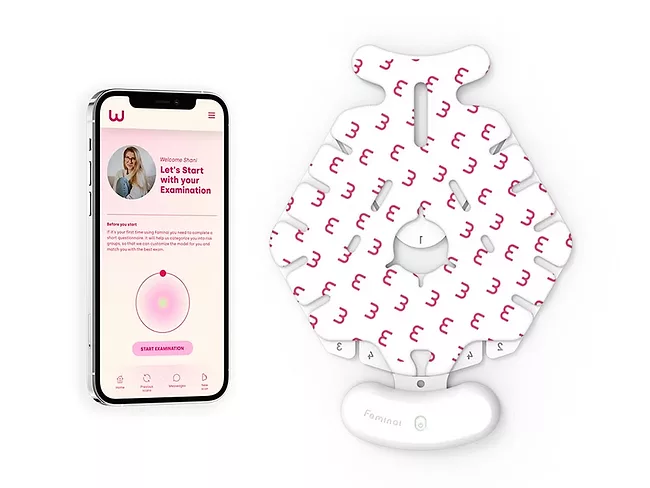
The convergence of robotics, sensors and AI is reshaping how medical devices interact with patients, clinicians and healthcare systems. Across the field, from oncology to cardiology and women’s health, companies are integrating software, connectivity, data analytics and biological information into their products. And although traditional devices, such as screws for orthopedics or valves for cardiology, remain essential, the shift underway is leading to much more personalized medicine, which is more effective and safer, Eran Lerer, managing partner, at Shoni Health Ventures, told BioWorld.
Of all the issues that could be on the table at the talks between U.S. President Donald Trump and China President Xi Jinping, the life sciences sector is the “sweet spot” for collaboration between the two countries in a way that would benefit the world, Sen. Thom Tillis, R-N.C., said in a Brookings Institution webinar in advance of the two-day summit that starts May 14.
Degron Therapeutics Inc. closed a $40 million series A extension round that will see the company advance its molecular glue degraders targeting previously undruggable or insufficiently drugged proteins.
Shanghai Fosun Pharmaceutical (Group) Co. Ltd. is paying $60 million up front for an option to secure exclusive rights to Aribio Co. Ltd.’s oral phase III-stage Alzheimer’s disease (AD) therapy, AR-1001. The option fee plus license agreement has potential to tally $4.7 billion for Aribio, marking the largest deal for an AD asset inked by a Korean biotech company.
Vincentage Pharma Co. Ltd.’s once-daily oral small-molecule GLP-1 receptor agonist, VCT-220, met the primary endpoints in a pivotal phase III trial in overweight or obese patients in China. Based on the top-line data, the Chengdu, China-based company plans to submit an NDA for chronic weight management to China’s National Medical Products Administration.
On Sunday, May 17th, 2026, the World Health Organization classified the ongoing Bundibugyo ebolavirus outbreak in the Democratic Republic of Congo (DRC) as a public health emergency of international concern (PHEIC). The rapid escalation to PHEIC is due to several factors. Given the high number of cases, the outbreak has likely been going undetected for some time, and may be a “much larger outbreak than what is currently being detected and reported, with significant local and regional risk of spread,” according to the WHO statement. The outbreak appears to already have crossed the border from the DRC into Uganda at least twice. And all this is happening with a virus for which there are no approved treatments or vaccines.
Regulatory snapshots for biopharma and med tech in Asia-Pacific, including global submissions and approvals, and other regulatory decisions and designations: Fujirebio, Gyre, H.U. Group, Innovent, Kyowa Kirin, Shionogi, Taiho, Taiho Oncology, Viiv Healthcare, Zai Lab, Zhejiang Wenda.
 RSS
RSS