Following steady expansion of its base among global pharmaceutical companies, Correlia Biosystems Inc. has secured the capital needed to make its nanotechnology-based immunoassay platform commercially available. The company received an infusion of $7 million in series A financing in a round led by Neotribe Ventures with participation by Cota Capital, the Regents of the University of California and others.
The U.S. FDA cleared Alivecor Inc.'s Kardia AI V2 interpretive electrocardiogram (ECG) algorithm for use in its personal ECG app and devices. Currently, the Kardia line permits consumers to take a 30-second medical grade ECG at home and instantly see whether they are exhibiting symptoms of atrial fibrillation, bradycardia, tachycardia or have normal heart rhythm.
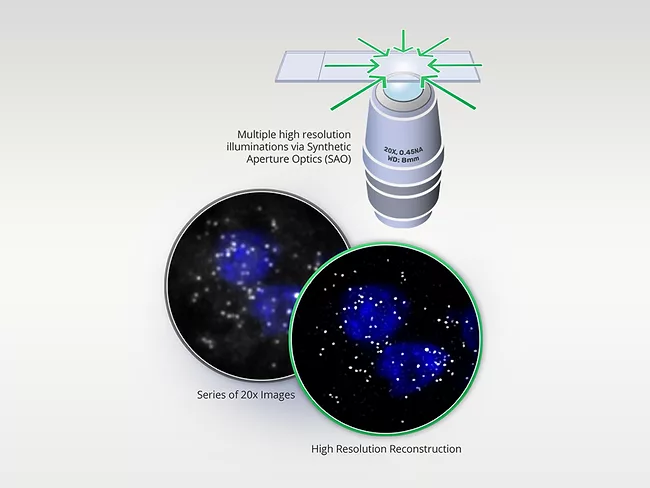
Rebus Biosystems Inc. has closed a $20 million series B fundraising round. The financing round was led by Illumina Ventures with participation by Lifecore Partners, Ncore Ventures, Xolon Invest, Ctk Investments, Ray Co. Ltd., Seegene Medical Foundation, Labgenomics Co. Ltd. and Timefolio Asset Management. Rebus builds spatial omics tools, assays and platforms. The company plans to use the new funding to support commercialization of its spatial omics solution and expansion of its marketing, sales, research, and product development teams, said Rebus CEO Paul Sargeant. Rebus plans to launch its automated, standalone Rebus Biosystems instrument and optimized assay kits for spatial transcriptomics early in 2021.
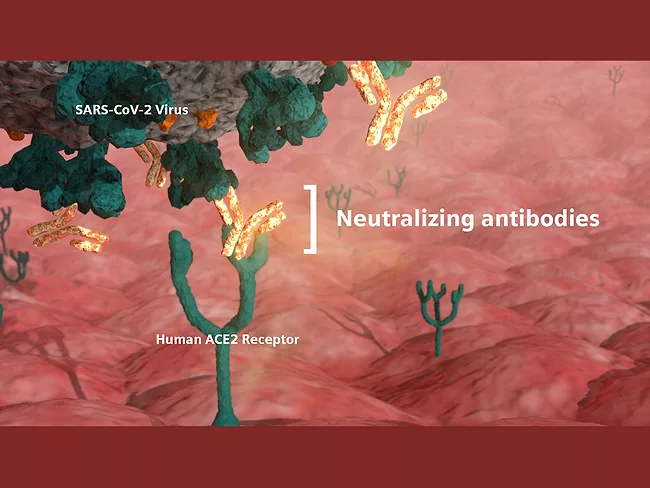
Hot on the heels of news that two vaccines for COVID-19 are nearing market readiness, two companies have broken away from the pack of assay manufacturers to offer quantitative antibody tests that can verify whether the vaccines provide effective, lasting protection. Siemens Healthineers and Imanis Life Sciences both claim to be first to develop scalable, quantitative neutralizing antibody tests.
Medtronic plc's cryoablation could soon put drug therapy on ice in parts of the atrial fibrillation (AF) market, based on results of studies published in the New England Journal of Medicine (NEJM) and presented at the American Heart Association Scientific Sessions 2020.
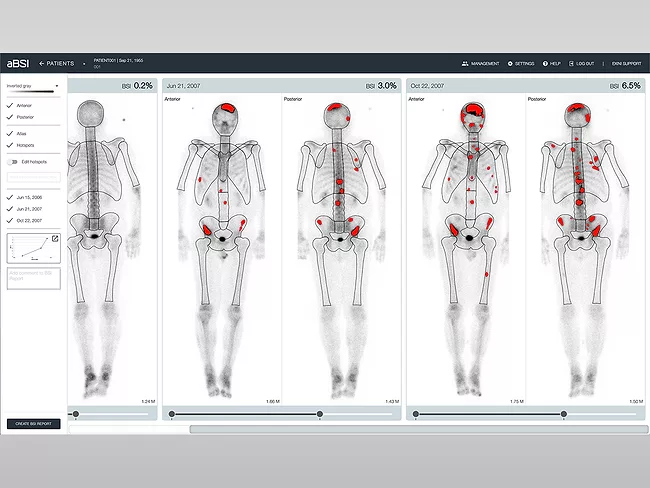
The U.S. FDA granted 510(k) clearance to Lantheus Holdings Inc.'s artificial intelligence (AI)-enhanced automated bone scan index (aBSI) product for prostate cancer on GE Healthcare's Xeleris platform. ABSI improves quantification and management of disease progression in advanced prostate cancer patients.
The competitive din in the vocal sound diagnostic space rose to new levels as Sonde Health Inc. launched a developer portal to enable other companies to incorporate its vocal biomarker-based health check technology into their apps. Sonde joins a growing number of companies and academic labs around the world talking up the ability of voice recordings to detect a surprising range of diseases.
Researchers at the Feinstein Institutes for Medical Research, the research arm of New York-based Northwell Health, illuminated the precise pathway from the brainstem to the spleen that controls inflammation in a study published in the Proceedings of the National Academy of Sciences of the United States of America (PNAS). Essentially, the work demonstrates how scientists could use the vagus nerve to hack the immune system, enabling them to turn down the excessive response that underlies autoimmune disease without the use of biologics or immunosuppressive drugs.
As cases skyrocket and more questions arise about the high rate of false negatives returned by rapid testing in COVID-19 cases, a simple, new diagnostic test offers far greater accuracy. Researchers around the globe have found that artificial intelligence can detect coronavirus infections in recorded forced coughs, with nearly 100% accuracy in asymptomatic or presymptomatic cases, making it an ideal quick screening test. Forced cough or voice analysis shows strong results in other conditions, too, including pulmonary hypertension and, surprisingly, Alzheimer's disease.
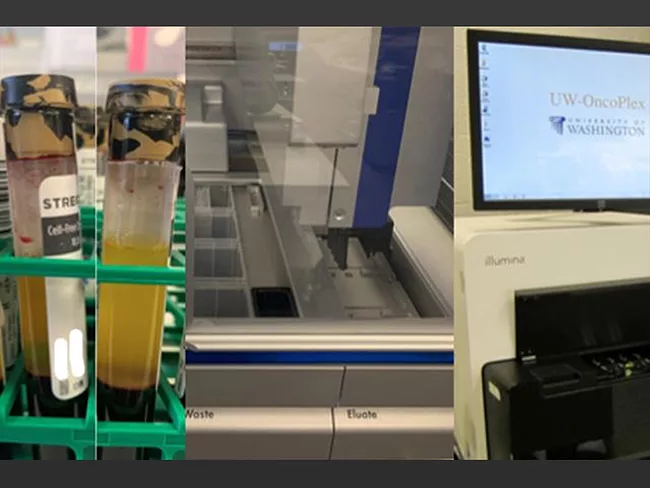
The use of liquid biopsies, tests that look for variants in cell-free DNA (cfDNA) shed by tumors into blood plasma, could lead to misdiagnosis and inappropriate treatment in many cancers, according to University of Washington researchers. The tests misidentified a noncancer mutation that is particularly common in older people as a mutation used as a biomarker for PARP inhibitors indicated for use in prostate cancer, a study published in JAMA Oncology found, but the problem likely extends to other malignancies.