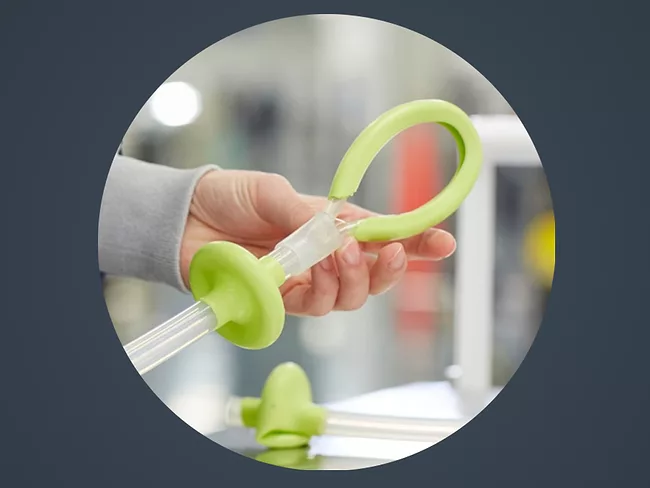
Laborie Medical Technologies Corp. secured a new gem for its maternal health with the acquisition of the Jada system from Organon & Co. The terms of the deal, first announced in November, included payment of $440 million at closing, with an additional $25 million tied to 2026 revenue targets.
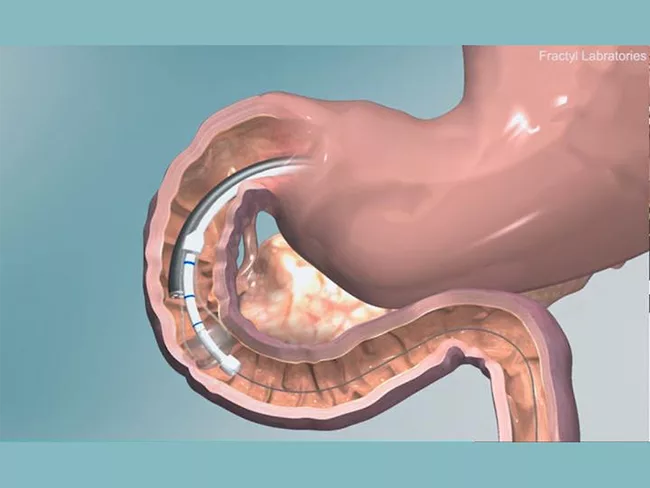
Six-month results from the REMAIN-1 trial showed that Fractyl Health Inc.’s Revita procedure cut post-GLP-1 weight regain by about 70% compared with a sham procedure in patients who discontinued incretin-based drugs such as semaglutide and tirzepatide after achieving substantial weight loss.
Medtronic plc acted on the increase in M&A and expansion of its investment ecosystem touted at the J.P. Morgan Healthcare Conference earlier this month with a $90 million infusion into Brisbane, Australia-based Anteris Technologies Global Corp. The investment had been contingent on a public offering of stock by Anteris, which it completed on Jan. 22. Together, the new funds for the biomimetic heart valve company totaled $320 million.
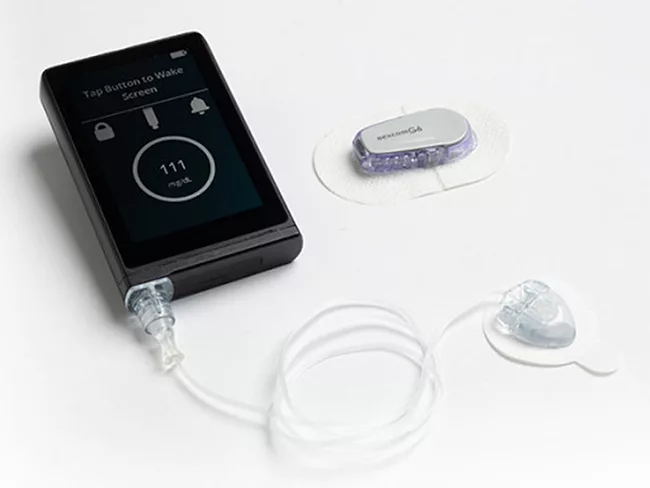
Beta Bionics Inc.’s preliminary results for its first full year as a public company offered an early read on developments and market positioning in the insulin pump and patch market, with analysts pointing to steady growth, rising pharmacy channel penetration and intensifying pressure as more products target both type 1 and type 2 diabetes.
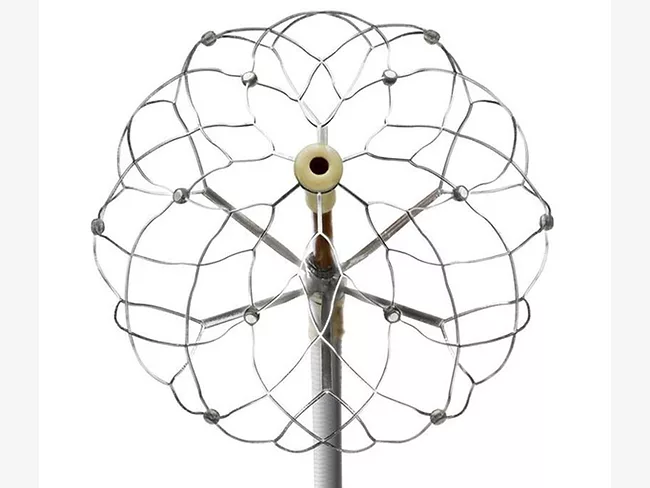
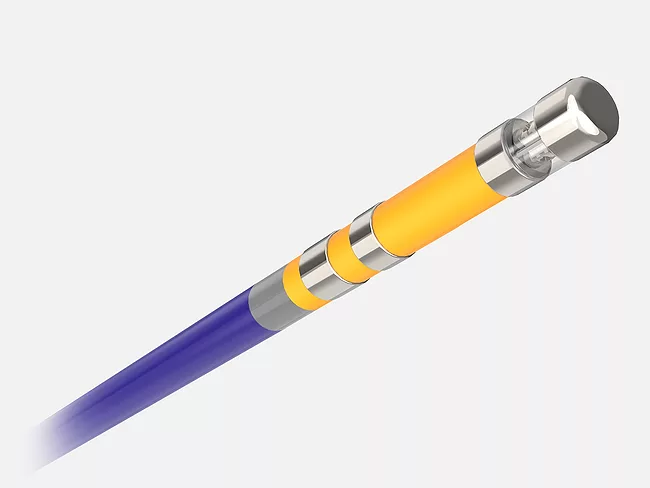
Medtronic plc's Sphere-360 secured a CE mark – the second catheter in its Affera PFA franchise – as it announced completion of the first cases in its investigational device exemption HORIZON trial for the Sphere-360 in the U.S. The device is indicated for treatment of paroxysmal atrial fibrillation (AF), an intermittent erratic heartbeat that can progress to persistent AF. Atrial fibrillation affects more than 10.5 million people in the U.S. and 60 million globally.
Abbott Laboratories reported fourth quarter sales below expectations before the market opened on Jan. 22, sending the stock down nearly 12% from the prior day's closing. The biggest hits came from contraction in the nutrition group along with continued disruption in the diagnostics unit from volume-based procurement in China. Medical devices suffered from market share loss in electrophysiology and slower than expected uptake of continuous glucose monitors. The pharma group performed as anticipated, posting 7% growth.
Aidoc Medical Ltd.'s Care AI foundation model secured 11 new U.S. FDA-cleared indications for use in emergency department triage. Now, with 14 total cleared indications enabling comprehensive evaluation and prioritization of abdomen CTs in a single workflow, Aidoc Care can help health systems identify critical findings more quickly and mitigate delays caused by overcrowding and imaging backlogs.
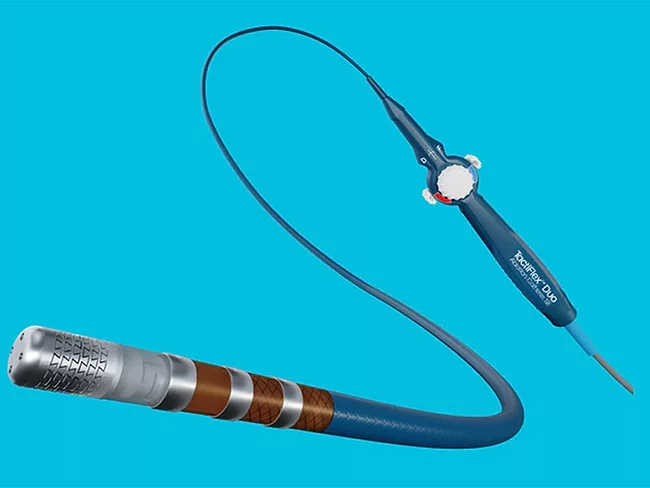
Abbott Laboratories received CE mark in Europe for the Tactiflex Duo ablation catheter to treat patients with atrial fibrillation. The first commercial cases using Tactiflex Duo, a dual energy device, were completed in the EU this week.
Boston Scientific Corp.'s Farapoint, its latest pulsed field ablation catheter, received U.S. FDA approval for use as an adjunctive device when treating persistent atrial fibrillation that requires cavotricuspid isthmus ablation, CEO Mike Mahoney reported at the J.P. Morgan Healthcare Conference in San Francisco. The newest member of the popular Farapulse family of PFA catheters provides a focal point option for creation of straight line or focal lesions, complementing the larger, single-shot Farawave catheter that has dominated the PFA market since its U.S. approval in early 2024.
Boston Scientific Corp. plans to acquire Valencia Technologies Corp. in the first half of 2026 in a move that will expand its urology portfolio. Valencia makes the Ecoin system, an implantable tibial nerve stimulator (ITNS) designed to treat urge urinary incontinence (UUI). The companies did not disclose terms of the deal, which is not expected to have a material impact on 2026 earnings per share.