Two recent studies should provide comfort to medical device manufacturers who develop tools and devices for bariatric surgery. Patients who undergo bariatric surgery lost nearly three times more weight than those who received prescriptions for glucagon-like peptide-1 receptor agonists (GLP-1 RA) or GLP-1/gastric inhibitory polypeptide (GIP) receptor agonists in a real-world, retrospective study published in JAMA Surgery.
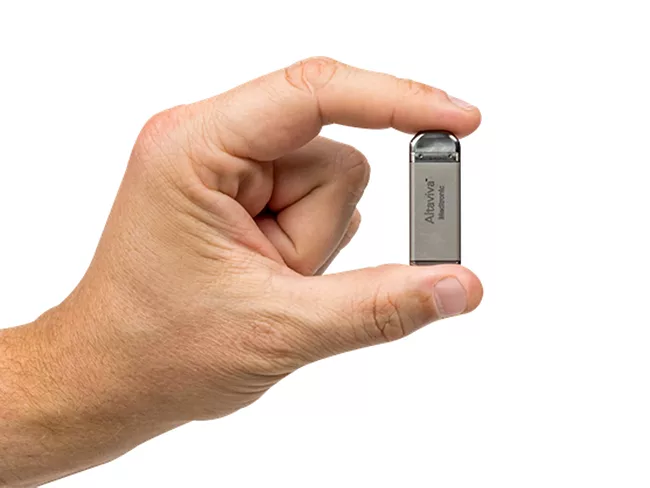
Medtronic plc received U.S. FDA approval for Altaviva, a minimally invasive implantable tibial neuromodulation device designed to treat urge urinary incontinence. Insertion near the ankle requires neither sedation nor imaging and patients walk out the clinic door with the device already activated.
A late-breaking study presented at the PERT Consortium 2025 Pulmonary Embolism Scientific Symposium in San Diego showed marked clot-burden reduction with no device-related serious adverse events for Imperative Care Inc.’s Symphony thrombectomy system, though other companies have a head start. Circulation: Cardiovascular Interventions simultaneously published the study in an article titled “A Prospective Multicenter IDE Study of the Next-Generation Precision Aspiration Thrombectomy System for Intermediate-Risk Pulmonary Embolism: The SYMPHONY-PE Trial.”
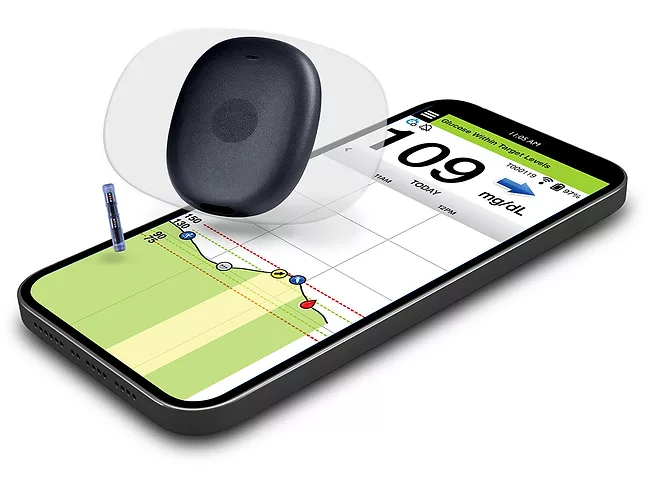
After a five-year partnership, Senseonics Holdings Inc. and Ascensia Diabetes Care Holdings AG, a unit of Tokyo-based PHC Holdings Corp., agreed to transition worldwide commercialization and distribution of Senseonics’ Eversense 365 implantable continuous glucose monitor back to Senseonics beginning on Jan. 1, 2026.
On the heels of the announcement of German bionics developer Ottobock SE KGaA's pending IPO and more than 20 med-tech IPOs completed to date in 2025, four other med-tech companies spanning three continents queued up to go public on four exchanges, potentially signaling an active fall for med techs worldwide.
German bionics leader Ottobock SE & KGaA plans to list on the Frankfurt Stock Exchange by the end of the year in an IPO targeting gross proceeds of €100 million (US$117.7 million). Ottobock would be the fourth European company to go public this year, a good sign for the European med-tech market, which had not seen any since the first half of 2022.
In a real-world study, Eko Health Inc.’s AI-enabled digital stethoscope dramatically increased detection rates for atrial fibrillation, heart failure and valvular heart disease in primary care settings. Researchers from Imperial College London presented results from the study at the European Society of Cardiology in Madrid.
Exact Sciences Corp. rolled out its multi-cancer early detection test nationwide to expand screening and identify malignancies when treatment has the greatest chance of being curative. Cancerguard can detect signals for cancers accounting for more than 80% of all cancer diagnoses in the U.S. each year.
Elutia Inc. agreed to sell its Elupro and Cangaroo bioenvelopes for implantable medical devices to Boston Scientific Corp. for $88 million in cash. Elutia will use the funds to further development of NXT-41x, an antibiotic biomatrix designed to reduce post-surgical complications in breast reconstruction.
Heartbeam Inc.'s algorithms performed as well on a standard 12-lead electrocardiography (ECG) as on its 3D ECG system in the detection of atrial fibrillation, atrial flutter and sinus rhythm, based on a study presented by Joshua Lampert, cardiac electrophysiologist and medical director of machine learning at HRX Live 2025 in Atlanta.