AI seems to suggest that a world of problems with health care spending may become more manageable, but Stephen Bittinger, a shareholder in the D.C. office of the law firm of Polsinelli PC told BioWorld that all the headaches surrounding validation of these algorithms suggests a need for an independent AI validation institute.
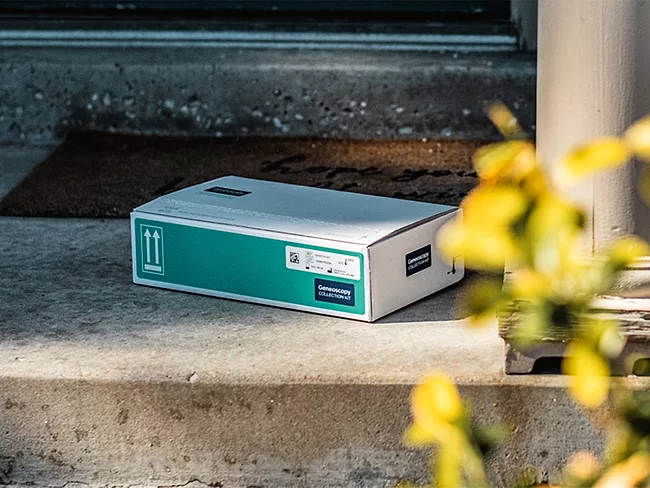
The market for colorectal cancer screening tests seems poised to heat up considerably with a recent request for Medicare coverage for Genoscopy’s Colosense test, but some who commented on the proposal have misgivings about the lower level of specificity seen in the Colosense relative to the Cologuard.
Palmetto GBA, the Medicare administrative contractor for most of the southeastern U.S., has opened a coverage analysis for the use of irreversible electroporation for a variety of cancers, but Palmetto has made it clear that it is unwilling to cover the procedure pending additional evidence.
The U.S. FDA’s early alert program has communicated a number of potential device malfunction episodes since its inception in late 2024, but the agency announced that the program is now moving out of the pilot phase to include all device types as of Sept. 29.
Bard Peripheral Vascular Inc., agreed to pay $7.2 million to settle allegations that two photoplethysmography products it distributed were the subject of illicit Medicare claims, a problem the company inherited when it decided to do business with Semler Scientific Inc. of Campbell, Calif.
The U.K. National Institute for Health and Care Excellence unveiled a plan that is designed to provide less cumbersome market access for medical technologies.
As is the case with the Made in China 2025 initiative, the Make in India program has at least a decade of history to look back on, with some benefits accruing to the nation’s med-tech sector. All the same, Gunjan Bagla, CEO of Los Angeles-based Amritt Inc., told BioWorld that the initiative could be more successful if the legislature would tweak the laws to create a more helpful environment for industry.
China’s National Medical Products Administration is arguably more active than regulatory agencies in many nations in advancing guidance for AI in medical technology, but Chang-Hong Whitney, President/CEO of Whitney Consulting Ltd., told BioWorld that the premarket review process still carries some unpredictability.
Japan’s Pharmaceuticals and Medical Devices Agency has traditionally been less than receptive to clinical data from other nations, but that aversion is slowly giving way. Ames Gross of Pacific Bridge Medical told BioWorld that a trial conducted in another nation with significant representation of those of Japanese ancestry can go a long way toward obviating the need for a trial conducted in Japan.
As is the case with the Made in China 2025 initiative, the Make in India program has at least a decade of history to look back on, with some benefits accruing to the nation’s med-tech sector. All the same, Gunjan Bagla, CEO of Los Angeles-based Amritt Inc., told BioWorld that the initiative could be more successful if the legislature would tweak the laws to create a more helpful environment for industry.