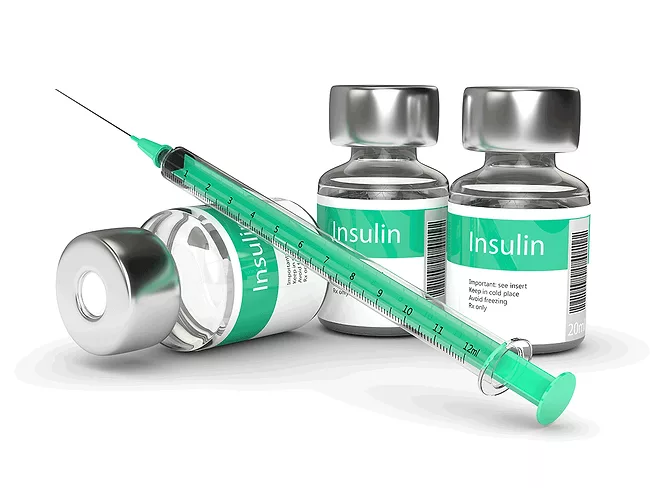
A federal appeals court opened the door Aug. 6 for an amended class-action lawsuit alleging that Astrazeneca plc, Eli Lilly and Co., Novo Nordisk A/S and Sanofi SA engaged in a horizontal price-fixing conspiracy involving insulin products and GLP-1 drugs indicated in diabetes when they each adopted similar policies in 2020 to impose restrictions on 340B discounts to an unlimited number of contract pharmacies.
Location, location, location. While location is as important in manufacturing as it is in buying a home, it could become even more so for drug companies when, and if, the global biopharma sector tariff U.S. President Donald Trump continues to tease becomes a reality. In the shadow of the impending tariff, the FDA is working on a draft framework, the two-phase FDA PreCheck, to make it faster and easier for biopharma companies to relocate their manufacturing to the U.S.
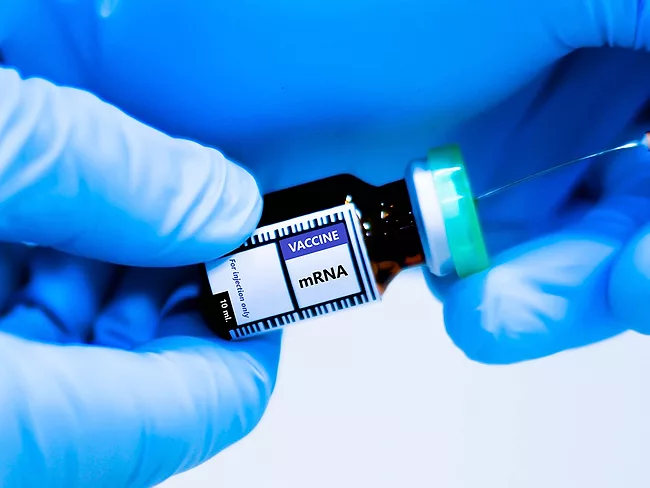
Cancel culture continues at the U.S. Department of Health and Human Services (HHS) as it observes National Immunization Awareness Month with another strike against vaccines. This time, a $500 million strike specifically targets 22 mRNA vaccine R&D programs at the Biomedical Advanced Research and Development Authority (BARDA), marking the beginning of the end of BARDA’s funding for mRNA vaccines.
While U.S. President Donald Trump’s country-by-country reciprocal and newly negotiated tariffs go into effect today, a separate, global biopharma sector tariff of, possibly, 200% continues to loom over the sector. For many stakeholders, a biopharma sector tariff of even 25%, as first proposed by Trump, would be a disaster in the making, especially when combined with the pressures of Medicare price negotiations and the president’s escalation of most-favored-nation pricing.
After shutting down manufacturers’ efforts last year to offer the mandated 340B discounts on outpatient prescription drugs as a rebate rather than an up-front price, the U.S. Health Resources and Services Administration (HRSA) is now inching the rebate door open for drugs that were selected for the first round of Medicare price negotiations.
The other shoe dropped on the U.S. CDC’s Advisory Committee for Immunization Practices (ACIP) when at least nine liaison organizations were informed by email late July 31 that they would no longer be involved in ACIP’s process of reviewing scientific evidence and informing vaccine recommendations.
While inflation in the U.S. is hovering below 3%, increases in some FDA user fees for fiscal 2026 are tripling that rate. PDUFA fees for branded prescription drugs and biological products will see a 9% hike come Oct. 1, and the increase in MDUFA fees will more than double the inflation rate with a 7% hike across the board.
While U.S. President Donald Trump’s country-by-country reciprocal and newly negotiated tariffs go into effect today, a separate, global biopharma sector tariff of, possibly, 200% continues to loom over the sector. For many stakeholders, a biopharma sector tariff of even 25%, as first proposed by Trump, would be a disaster in the making, especially when combined with the pressures of Medicare price negotiations and the president’s escalation of most-favored-nation pricing.
President Donald Trump sent letters July 31 to the CEOs of 17 major drug manufacturers doing business in the U.S., giving them 60 days to comply with his May 12 executive order (EO) on most-favored-nation (MFN) pricing. The EO appealed to drug companies to undertake MFN pricing voluntarily to end the freeloading in which other developed countries pay, on average, three times less than Americans are charged for the same medicines.
The news that Vinay Prasad has stepped down as CBER director at the U.S. FDA had some biotech stocks literally jumping in joy as the market opened July 30. Meanwhile, Prasad’s decisions regarding vaccine development, as well as actions by Makary and HHS Secretary Robert Kennedy, are coming under fire.