Representing the fourth largest biopharma M&A announced in 2026, Vertex Pharmaceuticals Inc. offered $85 per share in cash, or about $10 billion, to buy endocrine specialist Crinetics Pharmaceuticals Inc., adding the acromegaly drug Palsonify and a phase III asset, atumelnant, for congenital adrenocorticotropic hyperplasia (CAH).
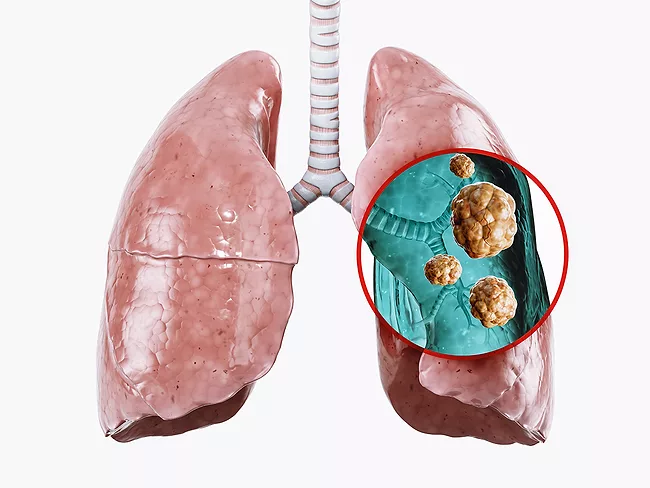
Roche Holding AG’s Genentech unit achieved superior phase III results with its KRAS G12C inhibitor divarasib over approved therapies in previously treated non-small-cell lung (NSCLC) cancer patients.
Top-line phase III Palisade-4 results of Vistagen Therapeutics Inc.’s fasedienol showed the intranasal pherine candidate failed to hit primary and secondary endpoints in the acute treatment of social anxiety disorder (SAD), issuing a near death knell as company’s shares (NASDAQ:VTGN) plunged more than 70% to close at 22 cents on June 30.
Adhesives innovator H.B. Fuller Co. is offering £2.85 per share in cash to buy Advanced Medical Solutions Group plc, expanding its technologies, commercial footprint and manufacturing capabilities across the globe.
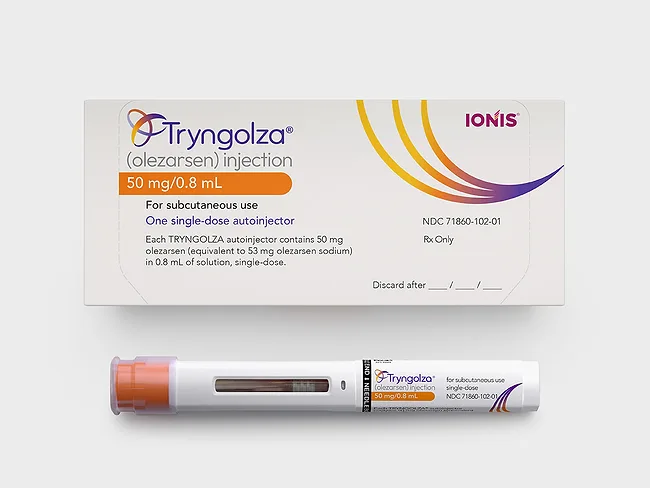
As expected, and following impressive phase III data released last September, Ionis Pharmaceuticals Inc. won U.S. FDA approval of Tryngolza (olezarsen) for adults with severe hypertriglyceridemia, unlocking a larger indication and one that held both priority review and breakthrough therapy designations.
Missing statistical significance on the primary overall survival phase III endpoint with antibody-drug conjugate (ADC) sigvotatug vedotin compared with docetaxel in non-small-cell lung cancer (NSCLC), Pfizer Inc., which gained the candidate through its $43 billion buyout of Seagen Inc. in 2023, is forging ahead based on subgroup signals, phase I data and an ongoing phase III Keytruda combination effort currently underway.
Four years after the U.S. FDA issued a complete response letter for Spero Therapeutics Inc.’s oral antibiotic, tebipenem pivoxil hydrobromide, to treat complicated urinary tract infections (cUTI), including pyelonephritis, the agency approved the drug based on phase III data showing noninferiority to intravenous imipenem-cilastatin.
Demonstrating better tolerability and safety in comparison with standard of care, Edgewise Therapeutics Inc.’s EDG-7500 is moving toward a phase III trial for both obstructive and nonobstructive hypertrophic cardiomyopathy (HCM), the most common form of genetic heart disease. Boulder, Colo.-based Edgewise reported top-line phase II results from part D of the Cirrus-HCM trial, showing meaningful responses in terms of hemodynamics, biomarkers and patient-reported measures.
The Centers for Medicare & Medicaid Services (CMS) proposed a rule June 12 that would codify the Inflation Reduction Act of 2022’s Medicare Drug Price Negotiation Program, establish new negotiation and drug benefit policies, and modify the fixed combination drug policy – the latter of which would negatively impact biopharmas attempting to extend lifecycles of blockbuster products.
In a repeat move, the U.S. FDA issued yet again a complete response letter (CRL) to Camurus AB for its subcutaneous extended-release injection drug CAM-2029 (octreotide) to treat the rare chronic growth disorder acromegaly. The drug, which expects to be branded Oclaiz in the U.S. upon approval, is called Oczyesa in the EU and the U.K., where it received marketing authorization in 2025.