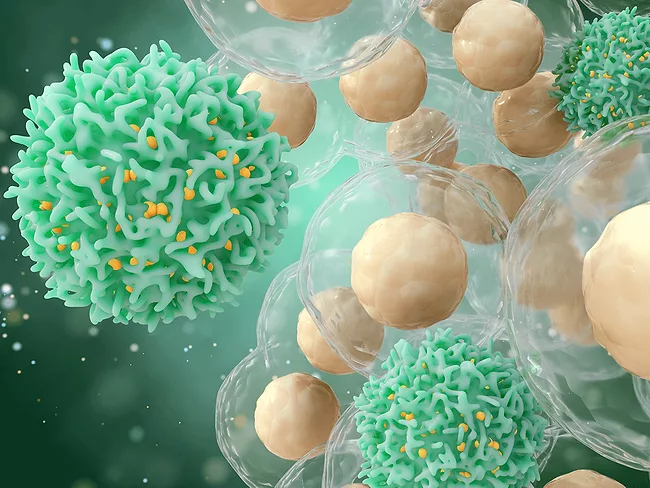
In its fourth major biopharma deal since its 2019 founding, Repertoire Immune Medicines signed a partnership with Eli Lilly and Co. to develop tolerizing therapies for several autoimmune diseases, gaining an up-front payment of $85 million, with a potential $1.84 billion in development and commercial milestone payments coming later, along with tiered royalties.
Rolling out guidance to help pharma manufacturers provide direct-to-consumer drugs at lower prices, the U.S. Department of Health and Human Services (HHS) clarified ways to eliminate the middlemen while still abiding by the federal anti-kickback statute.
Following a clinical hold last October of Intellia Therapeutics Inc.’s Magnitude and Magnitude-2 phase III trials of CRISPR/Cas9 gene editing therapy nexiguran ziclumeran (nex-z) to treat transthyretin amyloidosis with cardiomyopathy (ATTR-CM) and polyneuropathy (ATTR-PN), respectively, the U.S. FDA lifted the hold on Magnitude-2, pushing the company’s shares up by 22% in early trading Jan. 27.
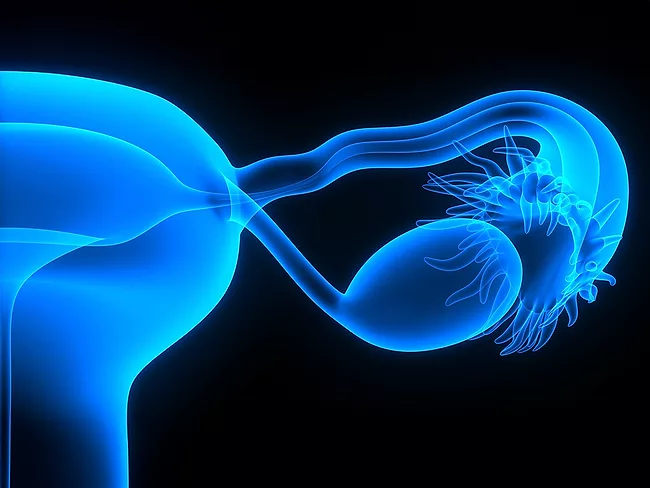
Six months shy of the PDUFA date for its oral, selective glucocorticoid receptor antagonist relacorilant to treat platinum-resistant ovarian cancer, Corcept Therapeutics Inc. reported a 35% reduction in the risk of death, meeting the second primary endpoint of overall survival after reaching statistical significance with progression-free survival last March.
Offering $2.2 billion for Rapt Therapeutics Inc. and gaining its long-acting lead drug, ozureprubart, for food allergy and other indications, GSK plc is positioning itself to compete with market leader Xolair (omalizumab), developed by Roche AG’s Genentech unit and Novartis AG.
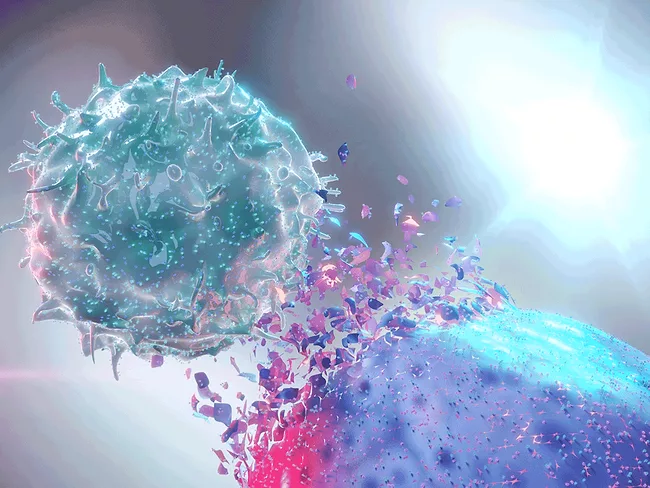
Early data of Waldenström’s non-Hodgkin lymphoma patients enrolled in a trial testing Immunitybio Inc.’s off-the-shelf allogeneic CD19 chimeric antigen receptor natural killer cell therapy (CAR-NK), used in combination with anti-CD20 drug rituximab, led to durable complete responses without lymphodepletion.
For years, the J.P. Morgan Healthcare Conference (JPM) kicked off with splashy headlines of major M&A activity among biopharma companies, but in 2026, the hype outweighed reality and in the end, no major merger announcements were made during the conference for companies developing therapeutics.
The U.S. FDA has approved Zycubo (copper histidinate) as the first treatment for Menkes disease, a rare, genetic disease affecting children who cannot absorb copper through their intestines, leading to seizures, weak muscles, a failure to thrive and, ultimately, if left untreated, an early death by age 3.
A second complete response letter issued by the U.S. FDA for Atara Biotherapeutics Inc.’s allogeneic T-cell immunotherapy Ebvallo (tabelecleucel) for Epstein-Barr virus positive post-transplant lymphoproliferative disease is “a complete reversal of position” by the agency, which had previously confirmed the single arm Allele trial was enough to support a BLA under the accelerated approval pathway, the company said.
The U.S. FDA signaled during a Type B meeting that existing data could support a BLA filing for Moonlake Immunotherapeutics AG’s sonelokimab to treat the skin disease hidradenitis suppurativa (HS), despite one of two pivotal phase III trials missing the mark.