Less than two months after winning FDA approval for a second indication for Filspari (sparsentan), Travere Therapeutics Inc. added to its rare kidney disease pipeline by exclusively licensing civorebrutinib from Everest Medicines Ltd. in a deal that could be worth more than $1.14 billion.
Edgewise Therapeutics Inc. is pulling in $1.55 billion up front by selling its muscular dystrophy business, including its fast skeletal myosin inhibitor, sevasemten (EDG-5506), to Servier SA. The deal is potentially worth up to $2.65 billion when including a potential $1.1 billion in milestone payments.
As the most active biopharma acquirer of 2026, Eli Lilly and Co. offered to buy three vaccine companies for up to $3.8 billion combined, while it simultaneously released positive early clinical results of a gene editing medicine brought into the fold last year through its buyout of Verve Therapeutics Inc.
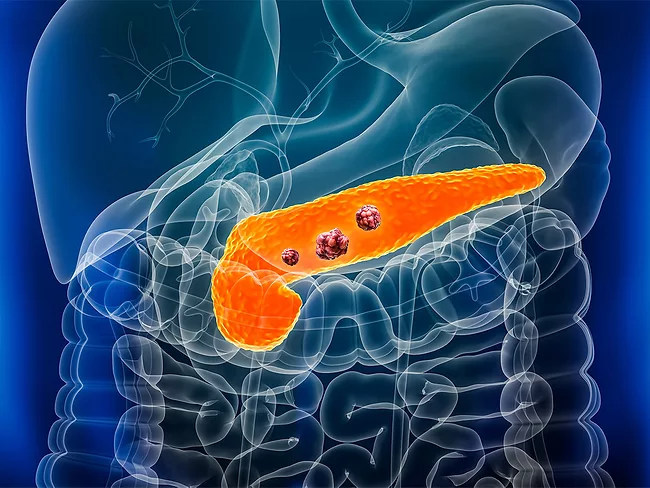
Immuneering Corp. reported a median overall survival of 17.3 months in first-line metastatic pancreatic cancer patients treated with its MEK inhibitor atebimetinib (IMM-1-104) plus modified gemcitabine/nab-paclitaxel in a phase IIa trial. Mizuho analyst Graig Suvannavejh called the results “astounding … easily beating current standard-of-care treatments.”
Posting another win for its triple G agonist, Eli Lilly and Co. rolled out top-line phase III data from Triumph-1 showing that all doses of retatrutide met primary and key secondary endpoints for obesity, with participants losing on average between 19% and 28.3% of body weight and significantly improving their cardiovascular risk factors.
Showing a significant efficacy signal in a phase II trial, Relay Therapeutics Inc.’s zovegalisib (RLY-2608) achieved a 60% volumetric response in patients with PIK3CA-driven vascular anomalies (VAs). The isoform-selective PI3Ka inhibitor is in late-stage clinical trials with various combinations for P13Ka-mutated, HR+/HER2- advanced breast cancer, with VAs representing a second indication for which Leerink Partners analyst Andrew Berens forecasts $2.8 billion in peak revenues.
Biogen Inc. has decided to advance diranersen (BIIB-080) into registrational trials for early Alzheimer’s disease, even though the antisense oligonucleotide therapy, originally discovered by Ionis Pharmaceuticals Inc., missed its phase II primary endpoint.
In a deal potentially worth up to $15.2 billion, Jiangsu Hengrui Pharmaceuticals Co. Ltd. is joining efforts with Bristol Myers Squibb Co. to advance 13 early development programs in the fields of oncology, hematology and immunology. Shanghai-based Hengrui will hold exclusive rights in mainland China, Hong Kong and Macau, while Princeton, N.J.-based BMS will hold exclusive rights in the rest of the world.
In a deal that could be worth up to $1 billion for Suzhou Siran Biotechnology Co. Ltd. (Siranbio), GSK plc licensed exclusive worldwide rights to the siRNA oligonucleotide SA-030, which has recently entered phase I trials for cardiometabolic disease.
In a deal potentially worth up to $15.2 billion, Jiangsu Hengrui Pharmaceuticals Co. Ltd. is joining efforts with Bristol Myers Squibb Co. to advance 13 early development programs in the fields of oncology, hematology and immunology. Shanghai-based Hengrui will hold exclusive rights in mainland China, Hong Kong and Macau, while Princeton, N.J.-based BMS will hold exclusive rights in the rest of the world. The deal includes four oncology/hematology assets from Hengrui, four immunology assets from BMS, and five assets that the two companies will jointly discover and develop.