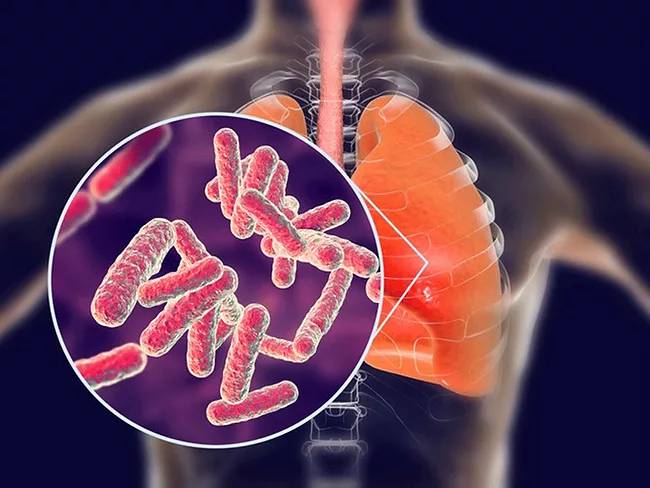
Antibiotics specialist Bioversys AG has reported the first clinical proof-of-concept data for alpibectir (BVL-GSK098) in combination with ethionamide in pulmonary tuberculosis, with phase IIa early bactericidal activity data published in the New England Journal of Medicine.
CSL Ltd. is out-licensing its interleukin-6 (IL-6) monoclonal antibody, clazakizumab, to Eli Lilly and Co. in a deal that brings CSL $100 million in up-front fees. A CSL spokesperson told BioWorld the deal includes undisclosed milestone payments and sales-based royalties. CSL will retain rights to develop and commercialize clazakizumab for prevention of cardiovascular events in patients with end-stage kidney disease, while Lilly will explore the MAb in all other indications.
Gilead Sciences is stepping deeper into synthetic lethality, licensing a clinic-ready MAT2A (methionine adenosyltransferase 2a) inhibitor from Suzhou, China-based Genhouse Bio Co. Ltd. in a deal worth up to $1.53 billion.
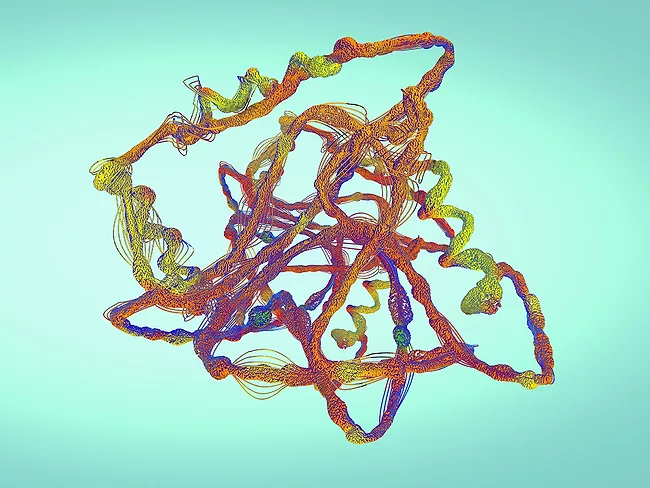
A project that started as a bioreactor to assist astronauts in deep space to keep medications safe in a microgravity environment could help pharma companies model how drugs behave in the human body. Omnigeniq unveiled at the J.P. Morgan Healthcare conference the first computer model of a human protein as it exists in the body, confirming that native protein topology can be calculated directly from physics.
A project that started as a bioreactor to assist astronauts in deep space to keep medications safe in a microgravity environment could help pharma companies model how drugs behave in the human body. Omnigeniq unveiled at the J.P. Morgan Healthcare conference the first computer model of a human protein as it exists in the body, confirming that native protein topology can be calculated directly from physics.
A world-first pediatric mRNA cancer vaccine trial is launching in Australia that could open new possibilities for children with aggressive brain tumors. The Paedneo-Vax trial, funded by Canada’s Providence Therapeutics Holdings Inc., in combination with the Australian Government and philanthropic donors, is the first multisite pediatric study to evaluate individualized mRNA vaccines designed specifically for each child's cancer.
After closing an oversubscribed $85 million series B round, Quantx Biosciences Inc. is gearing up to begin clinical trials of its two lead immunology compounds, a STAT6 oral small-molecule inhibitor and an IL-17 oral small-molecule inhibitor.
After closing an oversubscribed $85 million series B round, Quantx Biosciences Inc. is gearing up to begin clinical trials of its two lead immunology compounds, a STAT6 oral small-molecule inhibitor and an IL-17 oral small-molecule inhibitor.
Ascletis Pharma Inc. raised HK$843.53 million (US107.93 million) in a placement on the Hong Kong Stock Exchange to advance its lead program, ASC-30, a small-molecule glucagon-like peptide-1 (GLP-1) receptor agonist that can be dosed once monthly subcutaneously and once daily orally for treating obesity.
The scale of the $8.5 billion deal signed between Innovent Biologics Inc. and Eli Lilly and Co. is eye-catching, but the structure is the real signal. By shifting phase II oncology development to China while reserving global rights ex-greater China, the partners are testing a model that could reshape how multinational drugmakers source innovation as well as how Chinese biotechs create value.



.webp?height=488&t=1770931675&width=650 "Interleukin 17 (IL-17)")