Drug Farm Biotechnology Co. Ltd. closed a $55 million series D round to advance its AI-developed alpha-protein kinase 1 (ALPK1) inhibitor, DF-003, in a phase III trial for ROSAH syndrome, a rare genetic disease that can lead to blindness.
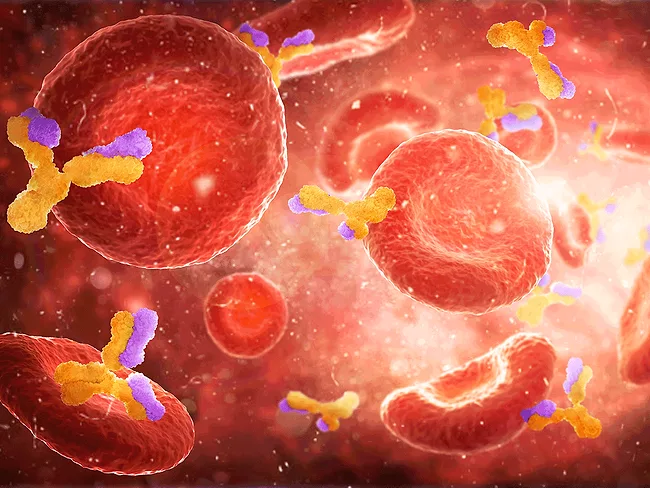
Takeda Pharmaceutical Co. Ltd.’s anti-CD38 antibody mezagitamab (TAK-079) is showing benefits beyond platelet restoration, with new data suggesting the candidate may improve quality of life for patients with chronic immune thrombocytopenia (ITP) and sustain those gains after treatment ends.
Mindrank AI Ltd. completed a $52 million series B round to advance MDR-001, its AI-discovered oral small-molecule GLP-1 receptor agonist, which is in phase III trials for obesity in China.
For decades, treatment options for osteoarthritis have followed a familiar path: As cartilage deteriorates and pain worsens, conservative therapies eventually give way to joint replacement surgery. Australian regenerative medicine company Integrant Pty Ltd. wants to change that trajectory. Rather than replacing damaged joints, the Sydney-based company is building a platform designed to regenerate cartilage and preserve joint function by combining biologics, medical devices and artificial intelligence.
Island Pharmaceuticals Ltd. has secured government and ethics approvals to deploy its investigational antiviral galidesivir in patients infected during the escalating Bundibugyo Ebola outbreak in Africa, giving the small Australian biotech a rare opportunity to collect prospective human data in an active filovirus emergency.
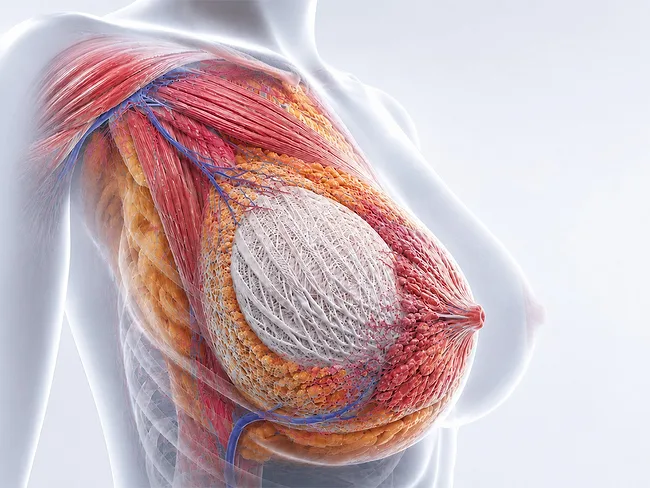
Regenerative medicine company Bellaseno GmbH is accelerating development of its absorbable breast scaffold, with a pivotal Australian trial recruiting faster than expected and a newly announced licensing deal with Johnson & Johnson subsidiary Mentor Worldwide LLC positioning the technology for global commercialization.
To Ivan Oransky, China’s paper-mill problem is best understood as an incentives story. “This is literally organized crime,” the Retraction Watch co-founder told BioWorld. “Follow the money. When there’s an opportunity to make money, they will find it, and if your whole career is based on how often you publish and what journals you publish in and how often you’re cited, it’s not surprising that leads to bad behavior.”
As China becomes a major source of global clinical trial evidence, the retraction of a high-profile China-led lung cancer study is raising questions about whether journals, regulators and drug developers have adequate systems to validate fast-moving clinical claims.
Astrazeneca plc has returned to China’s CSPC Pharmaceutical Group Ltd. for another discovery collaboration, this time in a deal worth up to $1.77 billion to use CSPC’s siRNA drug discovery platform and extrahepatic targeted delivery technology to develop small nucleic acid drug candidates.
Astrazeneca plc has returned to China’s CSPC Pharmaceutical Group Ltd. for another discovery collaboration, this time in a deal worth up to $1.77 billion to use CSPC’s siRNA drug discovery platform and extrahepatic targeted delivery technology to develop small nucleic acid drug candidates.