In a recent study, researchers from Kobe University Graduate School of Medicine and collaborators aimed to identify novel insulinotropic small molecules related to ion channel modulation.
Liraglutide, a glucagon-like peptide 1 (GLP-1) receptor agonist used in diabetes and obesity, could alleviate depression through a pathway that does not depend on the GLP-1 receptor but instead on the gut microbiota, since the treatment increases the presence of the bacterium Lactobacillus delbrueckii.
Liraglutide, a glucagon-like peptide 1 (GLP-1) receptor agonist used in diabetes and obesity, could alleviate depression through a pathway that does not depend on the GLP-1 receptor but instead on the gut microbiota, since the treatment increases the presence of the bacterium Lactobacillus delbrueckii. This symbiotic microorganism produces a lipid that modulates neuronal activity, normalizing the hyperactivation of brain regions in mice involved in emotional processing, which ultimately reduces depressive behaviors.
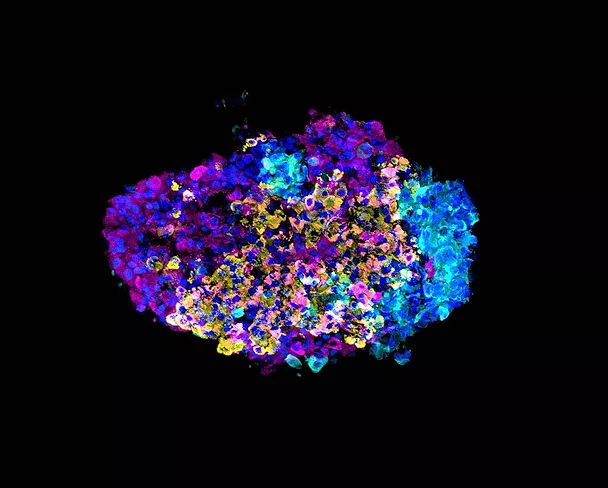
Syntax Bio Inc. has established a research and development collaboration with Mayo Clinic focused on advancing stem cell-derived pancreatic cell therapies for type 1 diabetes.
At the recent American Diabetes Association meeting, researchers from Century Therapeutics Inc. presented preclinical efficacy data on CNTY-813, an induced pluripotent stem cell (iPSC)-derived cell therapy engineered using the company’s proprietary Allo-Evasion 5.0 platform.
Newcelx Ltd. has submitted a pre-IND briefing package to the U.S. FDA to support a proposed first-in-human trial of NCEL-101 in combination with tegoprubart, an investigational anti-CD40L monoclonal antibody being developed by Eledon Pharmaceuticals Inc.
Type 2 diabetes is marked by insulin resistance coupled with insufficient insulin secretion due to early β-cell dysfunction and progressive loss of β-cell mass. Pdx1 and MafA, critical for maintaining β-cell function, are progressively reduced under metabolic stress and in patients, driving disease progression. Researchers at the University of Pittsburgh have reported efficacy data demonstrating successful pancreatic delivery of GPX-002, an AAV-Pdx1/MafA construct, in HFD mice.
Fractyl Health Inc. has received clinical trial application authorization in the Netherlands to initiate a first-in-human phase I/II study of RJVA-001, the first clinical candidate from the company’s Rejuva Smart GLP-1 gene therapy platform.
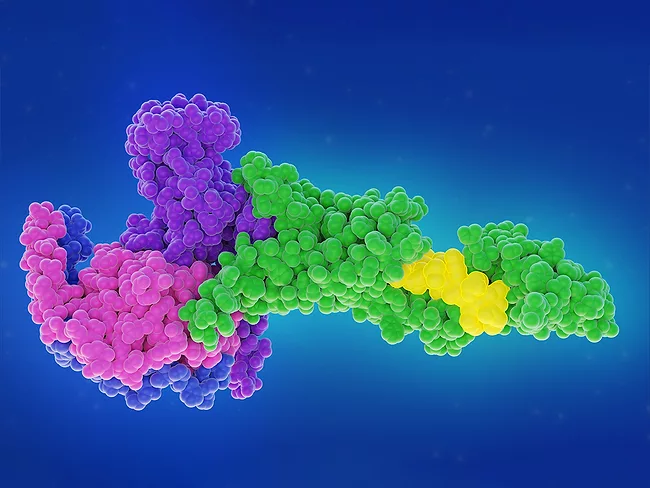
A new molecule combines the action of two incretins, GLP-1 and GIP, hormones that regulate glucose and appetite, with lanifibranor, a triple agonist of peroxisome proliferator activated receptors (PPAR α/γ/δ). GLP-1-GIP-Lani enables targeted delivery of the PPAR agonist to cells that express incretin receptors, enhancing weight loss, improving glucose control and reducing inflammation in obese mice. In these models, it surpassed the effects of GLP-1 receptor agonists such as semaglutide and GLP-1-GIP co-agonists such as tirzepatide in reducing body weight, improving glycemic control and enhancing metabolic outcomes during active treatment.