Over the last year, diabetes technology saw significant changes, including the acceleration of patch pumps, ever-smaller continuous glucose monitors (CGM), implanted CGMs and increased interest in devices that measure additional chemicals in blood without needles.
The first international consensus framework for the use of continuous ketone monitoring in people with diabetes, published in The Lancet Diabetes & Endocrinology, calls development and use of ketone sensors for the prevention of diabetic ketoacidosis “transformational.” Several companies in the diabetes technology market have recently reported that they are developing dual glucose-ketone sensors, though none have gained U.S. FDA approval yet.
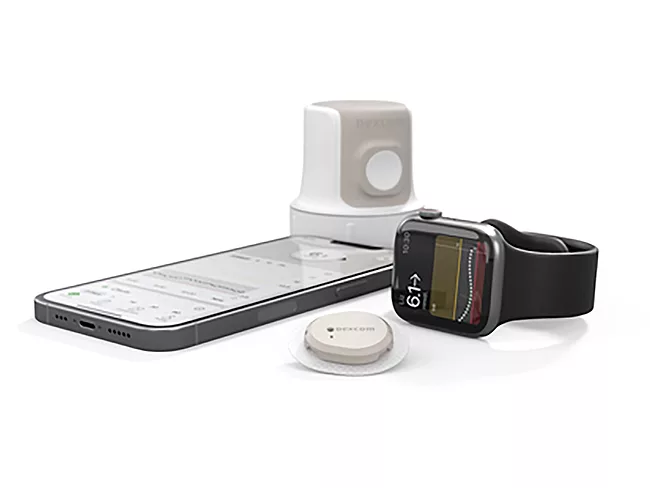
Dexcom Inc. received U.S. FDA clearance for its Smart Basal CGM-integrated basal insulin dosing optimizer. Designed for adults with type 2 diabetes using glargine U-100 long-acting insulin therapy, Smart Basal uses data from Dexcom’s G7 15 Day sensor with doses logged by the user to personalize recommendations and adjust long-acting insulin doses, with direction from the patient’s health care provider.
Dexcom Inc. executives may have thought a $30 million beat of the consensus estimates for third quarter revenue and 20% year-over-year organic growth provided a treat to shareholders, but investors seemed to feel tricked instead. The continuous glucose monitoring powerhouse saw its share price drop a frightening 17% in the first two hours of trading on Oct. 31, pushing it down by one-third from its peak of $89.53 in late July. Investors appear to have been spooked by the company’s conservative projections for 2026, following issues with its G7 sensor, which management said have been largely resolved.
San Diego-based Dexcom Inc., is the target of a class action lawsuit in U.S. district court over the company’s G7 continuous glucose monitors, an action which follows a U.S. FDA warning letter by a mere seven months and a recall announced in July, suggesting that litigation often follows other sources of bad news for firms in the med-tech business.
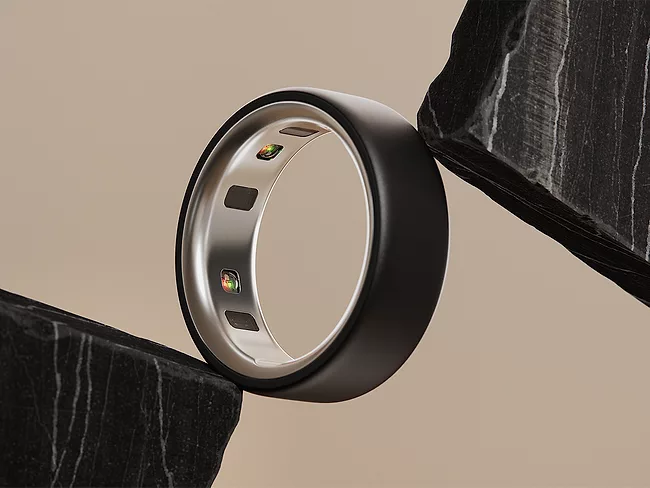
Oura Health Oy raised more than $900 million in a series E funding round to fuel global expansion of its popular smart ring and development of new health technologies. The new infusion brings the company’s total funds raised to date to $1.5 billion and implies a corporate valuation of about $11 billion, Oura said.
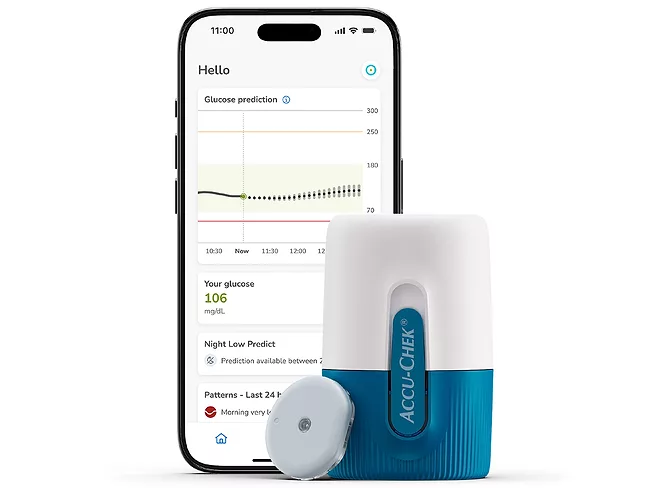
Roche Holdings AG received CE mark approval for the integration of its AI-enabled continuous glucose monitoring system, Accu-Chek Smartguide, with the Mysugr diabetes management app. The integrated solution, which combines predictive CGM technology with therapy data in one place, will simplify the daily decision-making for users managing their diabetes.
Signos Inc. landed U.S. FDA clearance for its over-the-counter glucose monitoring system, which combines Dexcom Inc.'s non-prescription Stelo continuous glucose monitor with an AI-powered platform focused on weight management and metabolism. The sensor transmits glucose readings to a smartphone app that interprets the data, provides guidance for healthy habits and educates the user.
The FDA announced July 17 that Dexcom Inc. recalled a series of continuous glucose monitor receivers for a failure of speakers to issue an alert for out-of-specification blood glucose measures. This is a clear demonstration of the principle that greater device functionality often creates new types of risk.
The U.S. Centers for Medicare & Medicaid Services posted the draft home health rule for calendar year 2026, which includes a proposal to subject continuous glucose monitors and insulin pumps to competitive bidding, but the agency is also considering a more rapid pace of replacement of these technologies.