Medtronic plc is strengthening its pain management portfolio with its $650 million move to buy SPR Therapeutics Inc. and bring the company’s peripheral nerve stimulation system for sustained pain relief into its neuromodulation offering. The deal marks Medtronic’s third tuck-in deal so far this year, following its $585 million purchase of Cathworks Ltd. and $550 million acquisition of Scientia Vascular Inc., and is also a sign of the momentum in M&A activity in the medtech sector with other players making strategic acquisitions.
The short story of the U.S. Court of Appeals for the Federal Circuit’s May 19 opinion in Recor Medical Inc. v. Medtronic Ireland is that the lower court got it wrong when it ruled Medtronic lacked the required standing to bring an infringement countersuit against Recor because it had granted an exclusive license for products covered by the two asserted patents. The case was reversed and remanded.
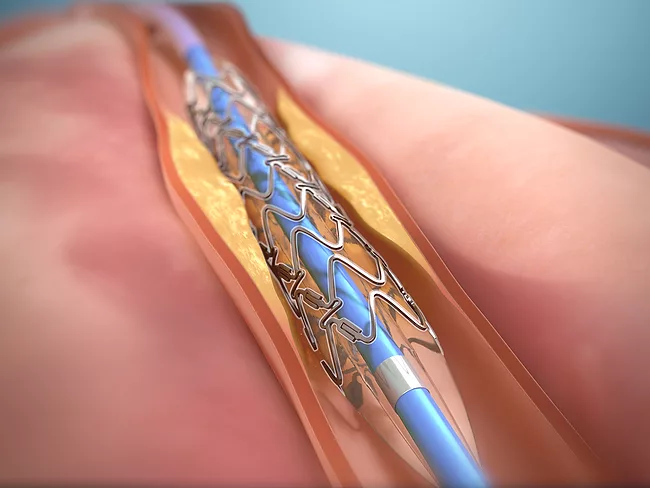
Elixir Medical Corp. reported four-year data from the Bioadaptor randomized controlled trial presented at the EuroPCR conference in Paris, which showed that patients with coronary artery disease treated with its Dynamx coronary drug-eluting bioadaptor system experienced significantly lower event rates compared to those treated with Medtronic plc’s Resolute Onyx drug-eluting stent, including reduction in cardiovascular death.
New data on pulsed field ablation (PFA) presented at Heart Rhythm 2026 in Chicago over the weekend continue to show the benefits and superiority of the technologies in treating patients with atrial fibrillation. The PFA landscape is fast-evolving and med-tech players are jostling for market share with ever-differentiated platforms looking to attract electrophysiologists.
Pulnovo Medical Ltd. secured $100 million in a financing round led by Medtronic plc for its pulmonary artery denervation system to treat pulmonary hypertension.
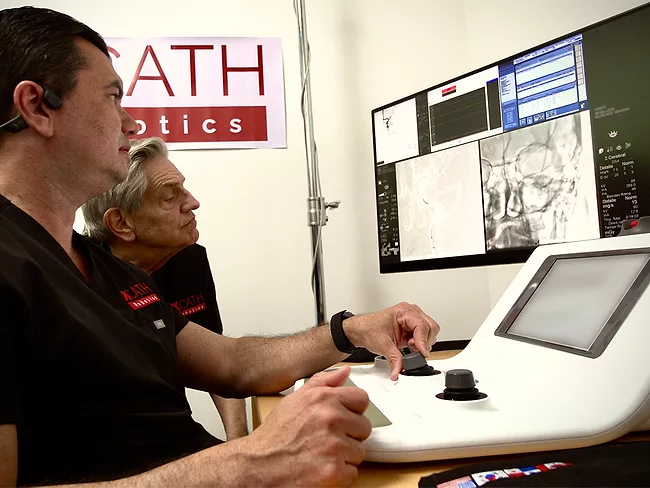
As robotic-assisted surgery platforms increasingly demonstrate that they can perform telesurgery safely, the question now is how soon remote operations will become part of routine clinical care. Eduardo Fonseca, CEO of Xcath Robotics Inc., reckons that within a decade the company’s Iris Surgical Robotic System could be in widespread use.
Medtronic plc has lowered its fiscal year 2026 earnings per share (EPS) guidance by 12 cents on the back of factors relating to its diabetes subsidiary, Minimed Group Inc., which recently completed its IPO.
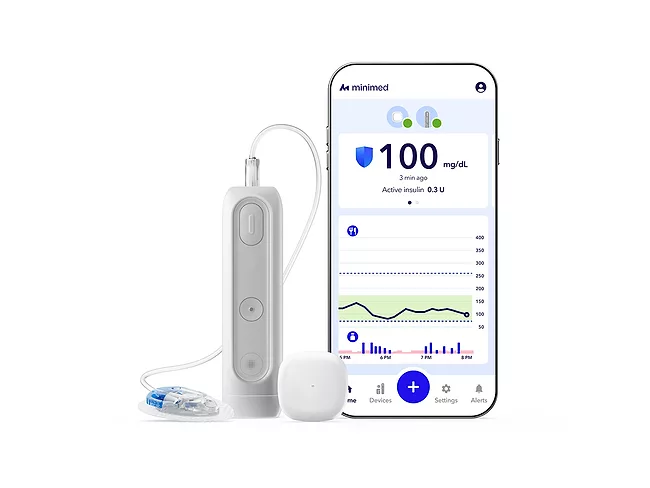
Minimed Group Inc. secured U.S. FDA approval for Minimed Flex, its next-generation discreet, smartphone-controlled insulin pump. The nod from the FDA follows the company’s debut on Nasdaq March 6. About half the size of the Minimed 780G pump and roughly the size of two stacked insulin vials, the screenless pump was designed in collaboration with people living with diabetes to offer a more intuitive, lifestyle‑friendly way to manage the condition.
Medtronic plc has agreed to buy Scientia Vascular Inc. for $550 million, as it makes good on its promise to embark on more strategic acquisitions this year. The acquisition will bolster its neurovascular business as it adds a portfolio of guidewires and catheters, which uses Scientia’s microfabrication technology to simplify complex neurovascular procedures.
Pricing shares at $20 each, below the intended price range, insulin delivery company Minimed Group Inc. debuted with an IPO on Nasdaq March 6, raising $560 million. The company offered a total of 28 million shares, which would have brought the Northridge, Calif.-based company $742 million in gross proceeds if the IPO had priced at the midpoint of the $25-to-$28 price range disclosed in February.