Synnovation Therapeutics Inc. has described heterocyclic compounds acting as nuclear factor erythroid 2-related factor 2 (NFE2-related factor 2; NFE2L2; NRF2) inhibitors reported to be useful for the treatment of cancer.
At the AACR-NCI-EORTC International Conference on Molecular Targets and Cancer Therapeutics, Frontier Medicines Corp. presented a first-in-class covalent activator of p53 Y220C with high potency and selectivity in restoring p53 tumor suppressor function.
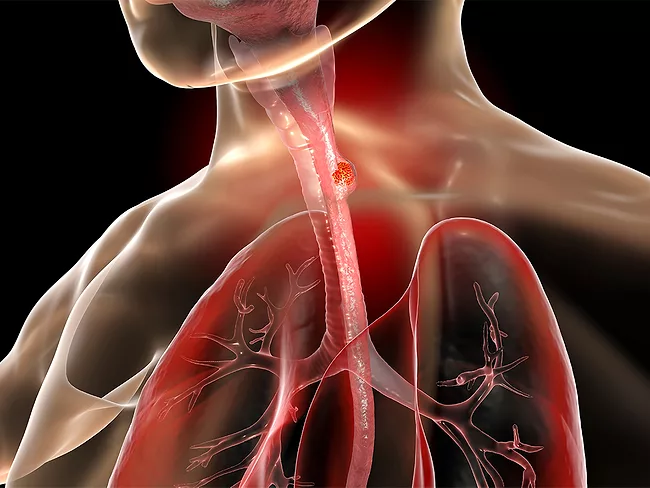
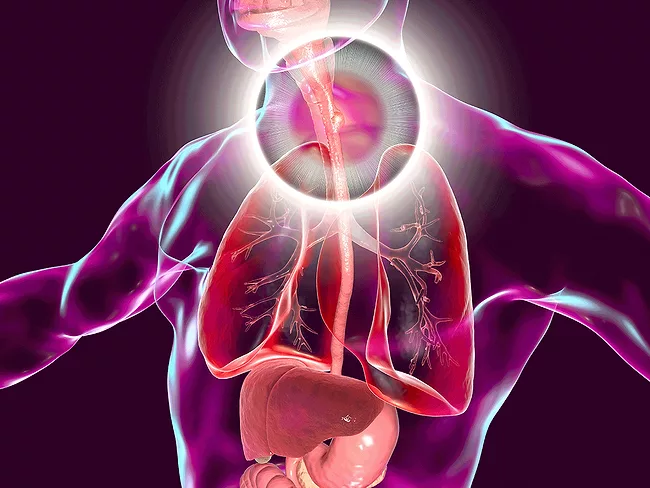
Esophageal cancer is among the most lethal cancers with a high mortality rate worldwide. Chinese researchers have explored the potential link between long intergenic non-protein coding RNA 1354 (LINC01354) and esophageal cancer.
Littdd Medicines Ltd. has described mTOR complex 1 (mTORC1) and/or mTOR complex 2 (mTORC2) inhibitors reported to be useful for the treatment of cancer, idiopathic pulmonary fibrosis, transplant rejection, autoimmune and metabolic diseases, Huntington’s disease, Parkinson’s disease and Alzheimer’s disease, among others.
Esophageal carcinoma (EC) is a tumor type of the digestive tract that accounts for about 300,000 deaths worldwide annually, with high aggressiveness and poor prognosis. Chinese researchers have investigated the implication of the enzyme aldehyde dehydrogenase 18 family member A1 (ALDH18A1) in EC.
Esophageal cancer is a malignant disease with high incidence and mortality, where esophageal squamous cell carcinoma (ESCC) is the most common histological subtype. To improve therapeutic approaches for ESCC, it is key to explore the mechanisms behind the disease and find targeted inhibitors.
Innocare Pharma Ltd. has obtained IND approval from China’s National Medical Products Administration (NMPA) to initiate a clinical trial of the B7-H3 targeted antibody-drug conjugate.
ALX Oncology Holdings Inc. is set to begin phase I studies around the middle of this year with ALX-2004, an antibody-drug conjugate (ADC) for the treatment of EGFR-expressing solid tumors, following IND clearance last month.
Esophageal cancer accounts for the sixth leading cause of cancer-related deaths worldwide. The clinical efficacy of therapies for esophageal squamous-cell carcinoma (ESCC) remain limited due to drug resistance and side effects. There is an urgent need to identify new therapeutic targets to shed light on its pathogenesis.