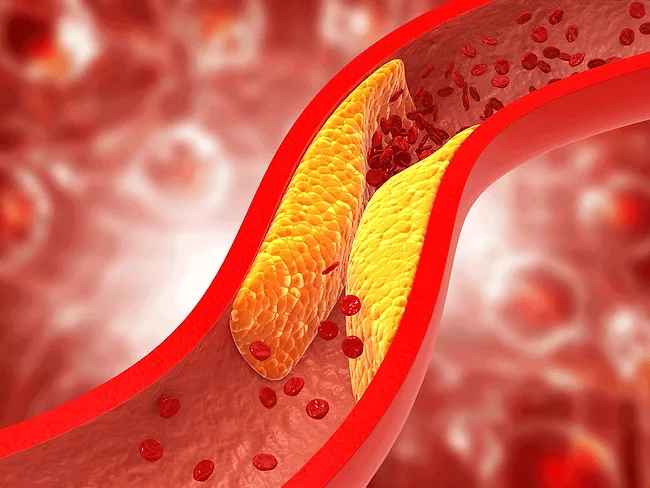
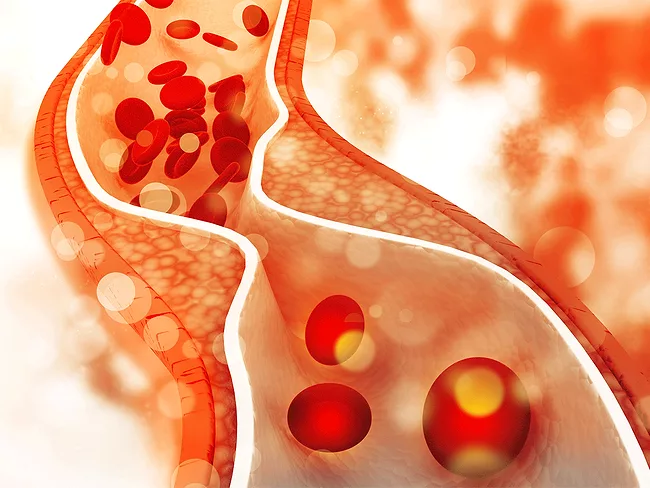
When the levels of LDL cholesterol are elevated, there is increased risk for atherosclerotic cardiovascular disease. Lowering these levels contributes to decreasing the risk of major adverse cardiovascular events. EDIT-401 is a CRISPR-based LDL cholesterol-lowering gene-editing approach developed by Editas Medicine Inc.
Positive early stage data for Verve Therapeutics Inc.’s base editing therapy points to a range of development options, including bringing partner Eli Lilly and Co. in a little closer. The new data helped ease the company’s pain from the April 2 enrollment pause of a similarly designed therapy from Verve. Verve’s Heart-2 phase Ib of VERVE-102 in treating 14 patients with heterozygous familial hypercholesterolemia and/or premature coronary artery disease showed one infusion led to dose-dependent decreases in blood PCSK9 protein levels and low density lipoprotein cholesterol.
“It all comes down to outcomes,” said Michael Davidson, CEO of Newamsterdam Pharma Co. NV, which hailed “robust” and “consistent” data from its phase III study testing a fixed-dose combination of CETP inhibitor obicetrapib plus established anti-cholesterol drug ezetimibe, even as investors focused on a couple of findings that turned up lower than expected, sending shares of the company (NASDAQ:NAMS) down 15.5% to close Nov. 20 at $20.01.
Trouble continues to dog Verve Therapeutics Inc.’s base editor of the PCSK9 gene, VERVE-101, so the company paused enrollment in a phase Ib study in cholesterol lowering to focus on the similarly designed VERVE-102.
For Verve Therapeutics Inc., the good news was the first human proof-of-concept data for a single-course in vivo base-editing treatment, presented at the American Heart Association Scientific Sessions over the weekend, showed treatment with VERVE-101 led to promising dose-dependent reductions in low-density lipoprotein cholesterol in patients with heterozygous familial hypercholesterolemia. The bad news was to be found in the safety data for the 10 patients treated to date, which included a myocardial infarction in one patient deemed potentially related to treatment.
Heterozygous familial hypercholesterolemia (HeFH) is caused by mutations in the LDL receptor gene, resulting in unusually high levels of low-density lipoprotein (LDL-C) in serum. Researchers from Epigenic Therapeutics Co. Ltd. presented the discovery of an epigenetic modulation therapeutic, EPI-001, for HeFH.
Heterozygous familial hypercholesterolemia (HeFH) patients treated with lerodalcibep achieved a 58.6% reduction in LDL-cholesterol at week 24 and a 65% reduction at the mean of weeks 22 and 24 in the phase III trial Liberate-HeFH. The developer, Cincinnati-based Lib Therapeutics Inc., was founded in 2015 when it licensed the technology from Bristol Myers Squibb Co. but is just now emerging from stealth.
Verve Therapeutics Inc.’s heart disease candidate, VERVE-101, is the latest gene editing-based therapy to hit a snag at the FDA, which issued a clinical hold, delaying the start of phase I testing in the U.S. News of the hold, which followed preclinical presentations over the weekend at the American Heart Association 2022 meeting, sent shares of Verve (NASDAQ:VERV) falling 30.5% to close Nov. 7 at $21.75.
Innovent Biologics Inc.’s PCSK9 inhibitor, IBI-306, intended for the treatment of heterozygous familial hypercholesterolemia (HeFH), has met its primary endpoint in a phase III study in Chinese patients.
Innovent Biologics Inc.’s PCSK9 inhibitor, IBI-306, intended for the treatment of heterozygous familial hypercholesterolemia (HeFH), has met its primary endpoint in a phase III study in Chinese patients.