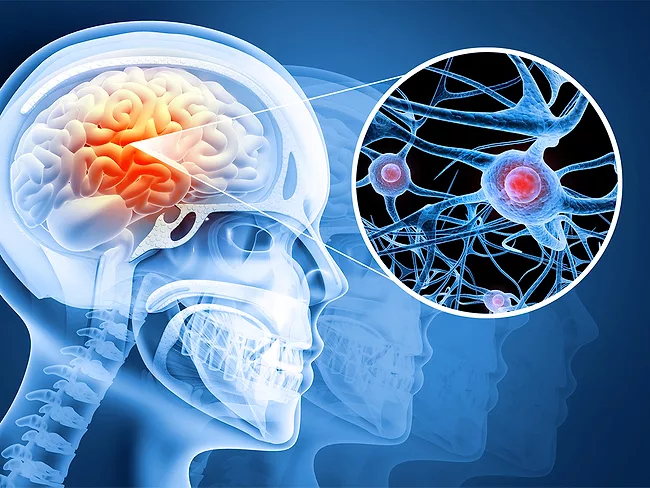
Two independent studies have linked neuronal injury, inside or outside the brain, to cancer progression and offer new biomarkers and strategies for prevention. While cerebral cancer cells damage axons and drive tumor development, in other types of cancer affecting other organs, nerve disruption caused by tumor proximity triggers inflammation and a suppressive environment that may also be associated with immunotherapy resistance.
Two independent studies have linked neuronal injury, inside or outside the brain, to cancer progression and offer new biomarkers and strategies for prevention. While cerebral cancer cells damage axons and drive tumor development, in other types of cancer affecting other organs, nerve disruption caused by tumor proximity triggers inflammation and a suppressive environment that may also be associated with immunotherapy resistance.
Researchers from Chinese Academy of Sciences detailed the creation of a new dextran sulfate sodium (DSS)-based mouse model of immune checkpoint blockade (ICB) therapy-associated colitis.
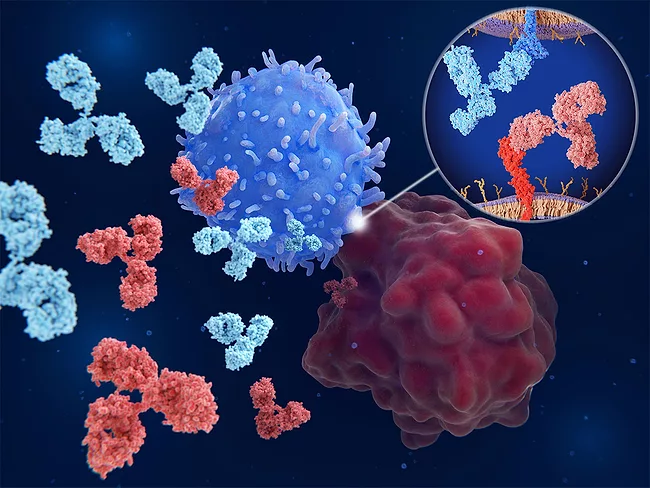
Researchers from Anaveon AG and affiliated organizations presented the discovery and preclinical characterization of ANV-700, a novel proximity-activated cytokine (PAC) compound designed to selectively deliver IL-21 to PD-1-expressing cells for the treatment of cancer.
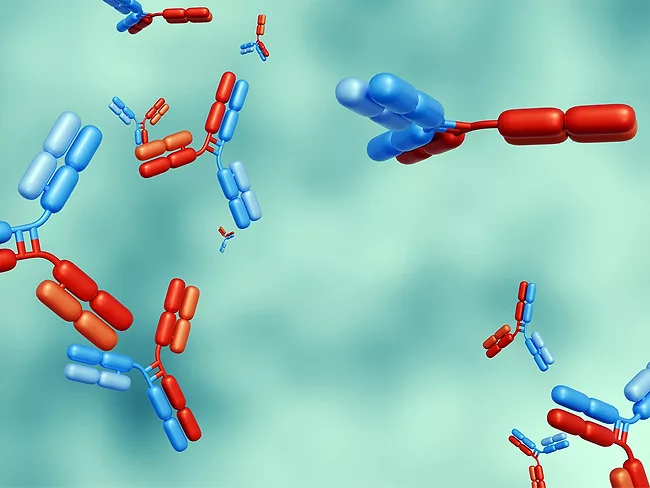
A team from Nanjing Leads Biolabs Co. Ltd. presented the discovery and preclinical characterization of LBL-042, a novel bispecific antibody designed to simultaneously target PD-1 and LILRB1/2, with the aim of improving immune evasion of tumor microenvironment and potentially overcoming resistance to immuno-oncology therapy.
The adverse effects of PD-1 blockers on the CNS observed in cancer patients could occur through their effects on an enzyme that activates microglia. Pharmacological inhibition of the enzyme in mice reduced microglial activation and cognitive deficit without altering the antitumor capacity of the immunotherapy.
The adverse effects of PD-1 blockers on the CNS observed in cancer patients could occur through their effects on an enzyme that activates microglia. Pharmacological inhibition of the enzyme in mice reduced microglial activation and cognitive deficit without altering the antitumor capacity of the immunotherapy.
Programmed cell death protein 1 (PD-1) is among the immune checkpoint molecules better explored in immunotherapy for cancer. However, it is necessary to obtain novel therapies where preclinical efficacy and safety data could translate into enhanced predictability of human efficacy, pharmacokinetics and side effects.
Researchers presented the development of a translational pharmacokinetic (PK)/receptor occupancy (RO) model of the tetravalent bispecific antibody (bsAb) CTX-8371 (Compass Therapeutics LLC) with the aim of investigating the possible effects of tetravalency compared to bivalency on RO and target internalization.
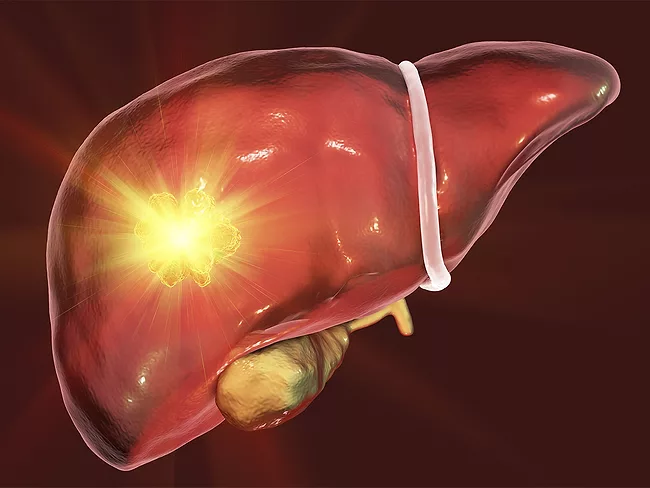
South China University of Technology and affiliated organizations have published data from a study that aimed to assess the role of the recently identified human hexokinase, hexokinase domain component 1 (HKDC1), in regulating tumor immune cell response in hepatocellular carcinoma (HCC).