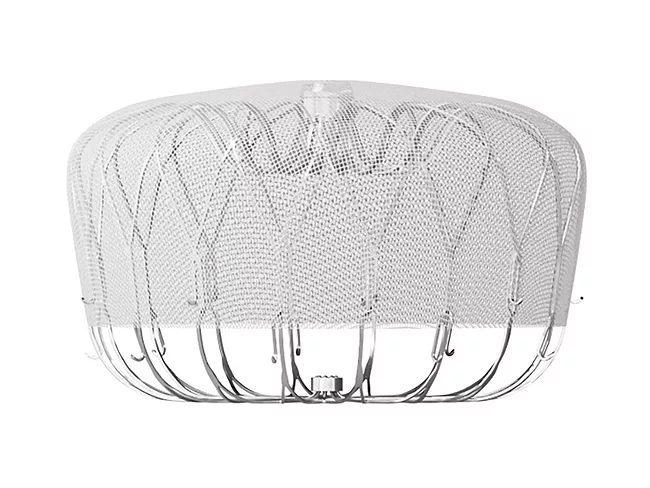
The ink is barely dry on the draft Medicare physician fee schedule for 2026, but three cardiology societies blasted the draft for cutting rates for left atrial appendage closure procedures – a move they said needlessly endangers patients.
Pulsed field ablation dominated discussions and scientific sessions at Heart Rhythm 2025 in San Diego with researchers and manufacturers touting new applications in persistent atrial fibrillation, atrial flutter and addressing specific challenges for existing systems.
The Heart Rhythm Society and American College of Cardiology published guidance for same-day discharge of cardiac ablation patients during Heart Rhythm 2025, the society’s annual meeting, which was held in San Diego April 26-27.
Pulsed field ablation dominated the news out of the Heart Rhythm Society meeting this week with three late-breaking studies highlighting the safety and efficacy of the technology replacing thermal ablation for treatment of atrial fibrillation and active discussion of the ‘unprecedented’ growth of these procedures. Boston Scientific Corp’s Farapulse is rapidly building dominance in the field, while results from Johnson & Johnson’s Varipulse study and Medtronic plc’s trial of the Affera system set up those companies for U.S. FDA approval later this year.
Medtronic plc said its investigational Omniasecure defibrillation lead met its primary safety and effectiveness endpoints and exceeded prespecified performance goals, in the global Lead Evaluation for Defibrillation and Reliability (LEADR) pivotal trial.
Pulsed field ablation (PFA) seems to have seized the moment in the field of cardiac electrophysiology, given its seemingly superior performance over other ablation modalities as a treatment for atrial fibrillation (AF). New data from three studies were presented at this year’s annual meeting of the Heart Rhythm Society that further confirm the value of PFA as a treatment for both persistent and paroxysmal AF with data sets that seem to confirm that PFA is poised to sweep aside the current standards for ablation, potentially overturning a treatment paradigm that took decades to establish.
Recent developments may seem to have rendered artificial intelligence (AI) little more than the latest internet sensation, but a presentation at this year’s annual meeting of the Heart Rhythm Society confirms yet again that AI is much more than just a trend. A new AI algorithm paired with a single-lead electrocardiogram accurately predicted the onset of ventricular tachycardia in 88% of patients in an outcome that could enable cardiologists to thwart thousands of sudden cardiac death (SCD) events each year, potentially ushering in a new age of cardiac care across the globe.
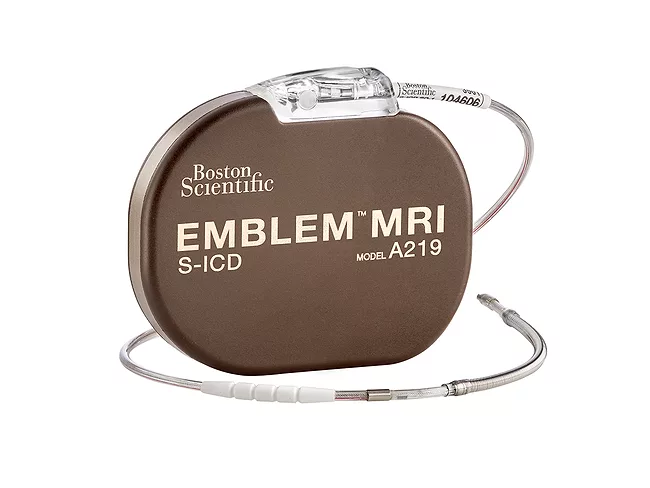
Boston Scientific Corp. reported positive results for its Emblem subcutaneous implantable defibrillator (S-ICD) system and next-generation Watchman Flx left atrial appendage closure (LAAC) device at the Heart Rhythm Society scientific sessions, which were online only this year due to the COVID-19 pandemic.