Researchers from the University of Oxford and the Health Research Institute La Fe (Spain) investigated the potential of multigene RNA-based therapeutics in Alzheimer’s disease, aiming to overcome potential compensatory mechanisms and patient heterogeneity.
The value of biopharma deals involving nonprofit partners declined sharply over the past several years, falling to about $127.43 million in 2025 after exceeding $21.4 billion in 2021. The 2025 total also represents a steep drop from 2024’s $754.56 million.
The value of biopharma deals involving nonprofit partners declined sharply over the past several years, falling to about $127.43 million in 2025 after exceeding $21.4 billion in 2021. The 2025 total also represents a steep drop from 2024’s $754.56 million.
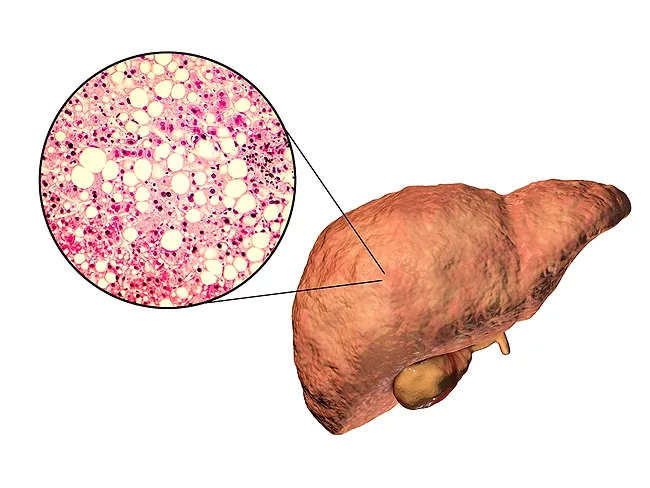
Hypoxia-inducible factors (HIFs) are crucial to maintain oxygen homeostasis by regulating cellular metabolic adaptation under hypoxia conditions. Depletion of factor inhibiting HIF (FIH), an enzyme that negatively regulates the activity of the HIF-1α isoform, has been associated with reductions in hepatic steatosis and body mass in mice.
Researchers at University of Oxford have been awarded funding by Cancer Research UK to develop a vaccine to prevent ovarian cancer. The team will receive up to £600,000 (US$784,000) for the study over the next 3 years to support lab research on Ovarianvax.
Yellowstone Biosciences Ltd. has launched with a focus on soluble bispecific T-cell receptor (TCR)-based therapies for human leukocyte antigen (HLA) class II (HLA-II) targets in oncology.
Spybiotech Ltd. has entered into a sponsored research agreement with the University of Oxford for the development of a vaccine against Epstein-Barr virus (EBV).
Ono Pharmaceutical Co. Ltd. has entered into a drug discovery collaboration agreement with the University of Oxford to verify drug discovery seeds and obtain screening compounds for the creation of new medicines.
G-protein-coupled receptor 84 (GPR84) is an orphan G protein-coupled receptor (GPCR) mainly expressed in immune cells involved in inflammation, metabolic disorders, and cancer.
University of Oxford scientists have presented data from deep proteomics of cerebrospinal fluid (CSF) in search of proteins with diagnostic or prognostic value in amyotrophic lateral sclerosis (ALS). Analysis was performed using CSF samples from 40 ALS patients, 15 controls (healthy individuals) and 8 mimicking conditions.