The U.S. FDA has posted yet another two regulations for devices granted market access via the de novo petition program, one of which addresses dry eye by means of pulsatile light emissions. This device may serve as a predicate for many 510(k) devices if estimates of prevalence in the tens of millions in the U.S. are any indication.
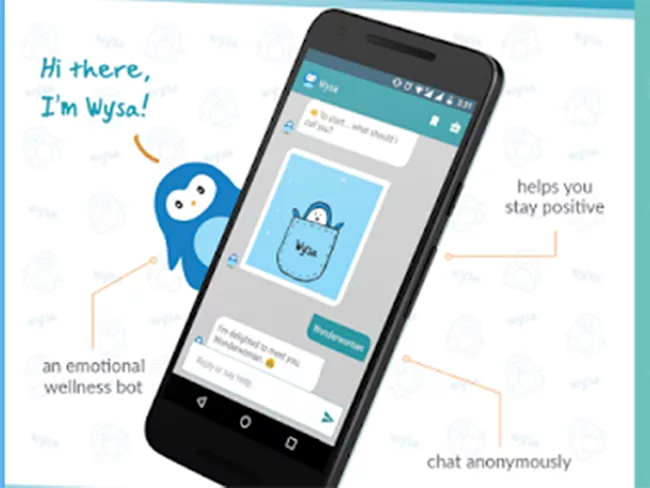
Wysa Ltd.’s artificial intelligence-based digital therapy received FDA breakthrough device designation for adults with chronic musculoskeletal pain, depression and anxiety. The device delivers cognitive behavioral therapy (CBT) via a digital companion or conversational agent on a smartphone.
The digital therapeutics market has seen an explosion of innovative products and interested investors. Regulators, too, have acknowledged their potential to improve outcomes in patients with chronic or debilitating conditions – often at lower cost and with less side effects than traditional drug therapies. To that end, the FDA has granted breakthrough device designation to Swing Therapeutics Inc. for its prescription digital therapeutic for the management of fibromyalgia.
Mahana Therapeutics Inc. obtained a CE mark for Parallel, a prescription digital therapeutic device to treat irritable bowel syndrome (IBS) in conjunction with other IBS treatments. Developed by a team of U.K. psychologists, the three-month program delivers cognitive behavioral therapy (CBT) via a web-based application.
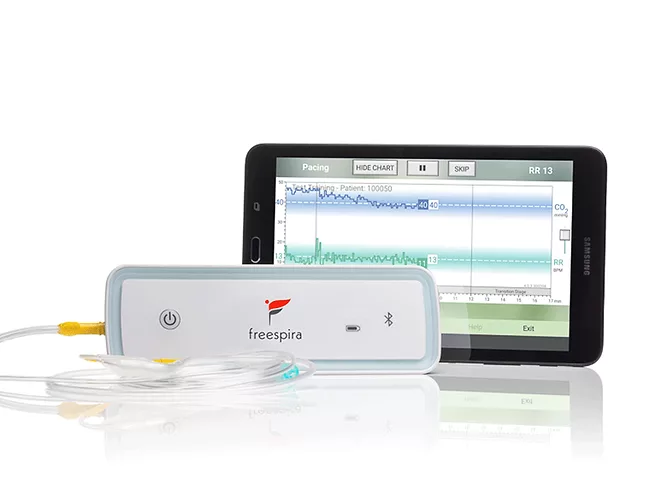
The rising tide of digital therapeutics approved and funded in the U.S. raised the outlook for Mahana Therapeutics Inc. and Freespira Inc. as both companies announced good news. Mahana's prescription digital therapeutic for gastrointestinal conditions, Parallel, received premarket authorization from the U.S. FDA and Freespira, formerly Palo Alto Health Sciences Inc., raised $10 million for its digital therapeutic for panic attacks, panic disorder and post-traumatic stress disorder.