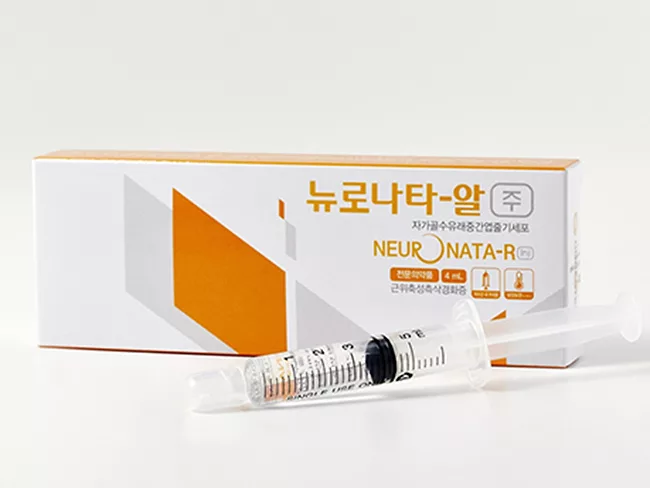
Corestemchemon Inc. is planning to file a BLA for Neuronata-R (lenzumestrocel) by the end of 2025 to gain accelerated approval from the U.S. FDA, company officials confirmed to BioWorld during a June 2 interview. Neuronata-R is an autologous bone marrow-derived mesenchymal stem cell therapy that first gained approval in South Korea in 2014 to delay the progression of amyotrophic lateral sclerosis (ALS), a progressive neurodegenerative disorder also known as Lou Gehrig’s disease.
Corestemchemon Inc. is planning to file a BLA for Neuronata-R (lenzumestrocel) by the end of 2025 to gain accelerated approval from the U.S. FDA, company officials confirmed to BioWorld during a June 2 interview. Neuronata-R is an autologous bone marrow-derived mesenchymal stem cell therapy that first gained approval in South Korea in 2014 to delay the progression of amyotrophic lateral sclerosis (ALS), a progressive neurodegenerative disorder also known as Lou Gehrig’s disease.
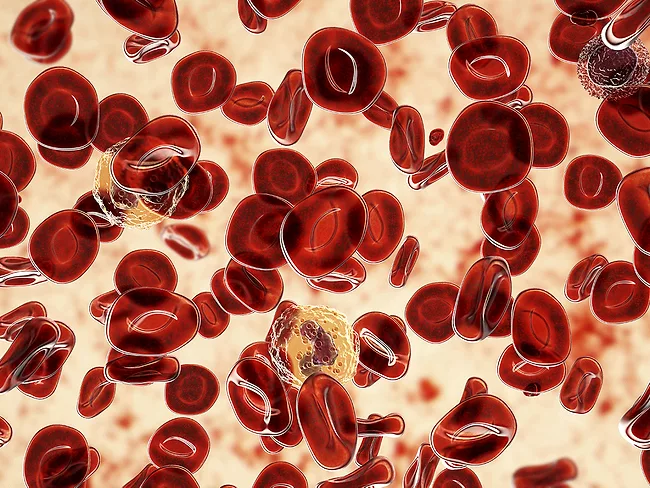
Takeda Pharmaceutical Co. Ltd. and Protagonist Therapeutics Inc. have inked a global development and commercialization deal worth up to $1.7 billion for Protagonist’s rusfertide for treatment of polycythemia vera (PV), a rare and chronic blood disorder affecting bone marrow.
Takeda Pharmaceutical Co. Ltd. and Protagonist Therapeutics Inc. have inked a global development and commercialization deal worth up to $1.7 billion for Protagonist’s rusfertide for treatment of polycythemia vera (PV), a rare and chronic blood disorder affecting bone marrow.
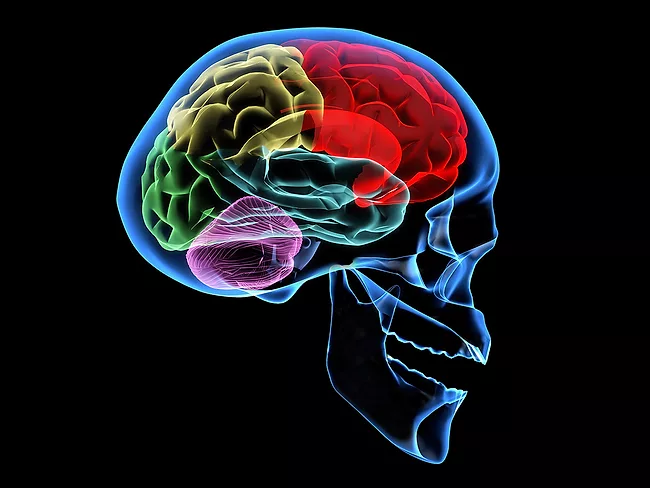
The composition of the skull bone is unique and plays a direct role in influencing brain health through small channels in the bone and immune cell expression pathways, reported researchers based at the Helmholtz Center and Ludwig-Maximilians University Munich.
The composition of the skull bone is unique and plays a direct role in influencing brain health through small channels in the bone and immune cell expression pathways, reported researchers based at the Helmholtz Center and Ludwig-Maximilians University Munich.
Chinese neuroscientists have identified a bone marrow (BM) response to acute brain injury, in which the fate and function of BM hematopoietic cells are shaped by brain injury, suggesting that the brain can mobilize a population of protective monocytes and direct them to the injury site.