The field of BCI is continually evolving; as such, companies are increasingly highlighting the potential of their technologies to transform care. For advanced players, with fully developed BCI systems, the sector is approaching an inflection point as the technology transitions from early feasibility studies into pivotal trials. The focus now for many is on generating the long-term safety, efficacy and real-world usability data needed to support regulatory approval and broader clinical adoption.
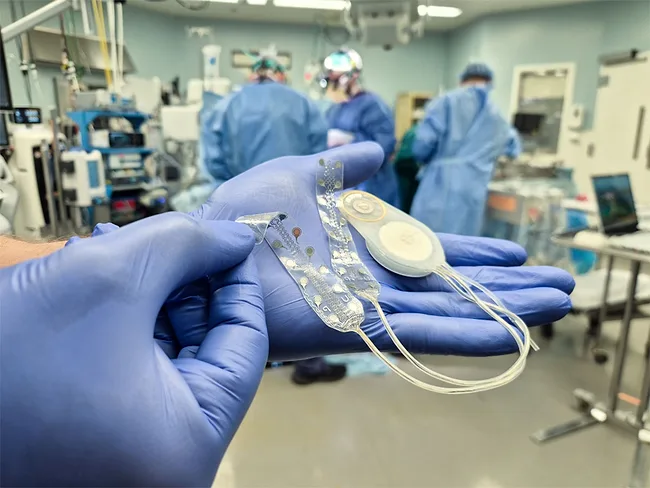
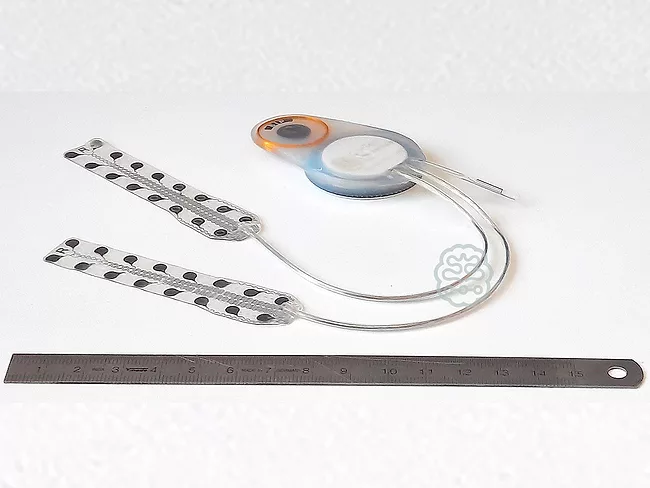
Cortec GmbH is preparing to implant its brain-computer interface (BCI) technology into a third stroke patient, with early clinical data showing that the device leads to significant improvement in hand and arm function. The company believes its Brain Interchange system could transform the lives of millions of patients.
As the development of brain-computer interface (BCI) technologies gain momentum, Paradromics Inc. is building an ecosystem to enable collaboration between the company and academic researchers.
Neurosoft Bioelectronics SA has signed an agreement with Science Corp. to gain access to its full stack of clinical-grade neural recording tools as it looks to advance its brain-computer interface (BCI) system.
As the momentum and interest in brain-computer interface (BCI) technologies continue to accelerate, Merge Labs has emerged with an investment from OpenAI in its seed round. Merge Labs says it plans to develop next-generation BCIs capable of interacting with the brain at high bandwidth, integrating with advanced AI, and doing so in ways that are safe and accessible to everyone.
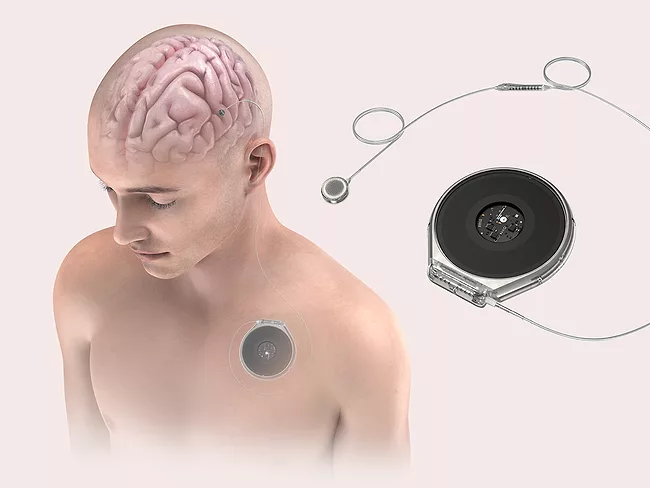
Synchron Inc.'s recent $200 million raise for its Stentrode brain-computer interface platform comes at a pivotal time for the technology. Advances in BCI development, ongoing clinical trials and growing market demand are drawing increased investor interest in the technology which has the potential to transform the lives of millions of people. At the same time, government agencies are closely monitoring the field, recognizing the potential while urging caution about the risks involved.
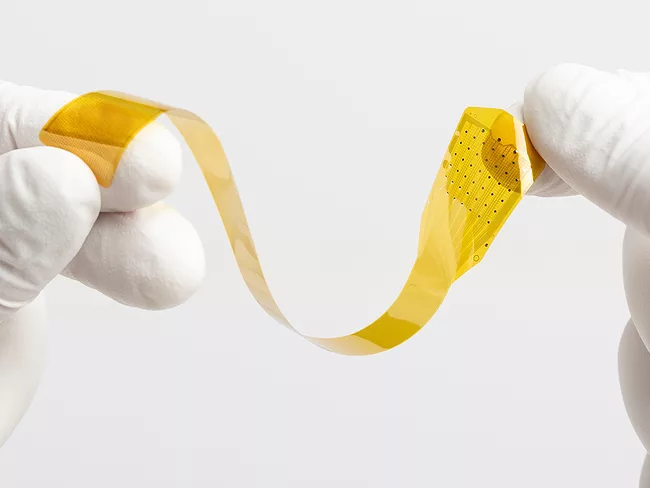
The brain-computer interface (BCI) system being developed by Precision Neuroscience Corp. is capable of capturing high-resolution brain signals and stimulating areas without damaging the cortical surface, according to a study published in Nature Biomedical Engineering.
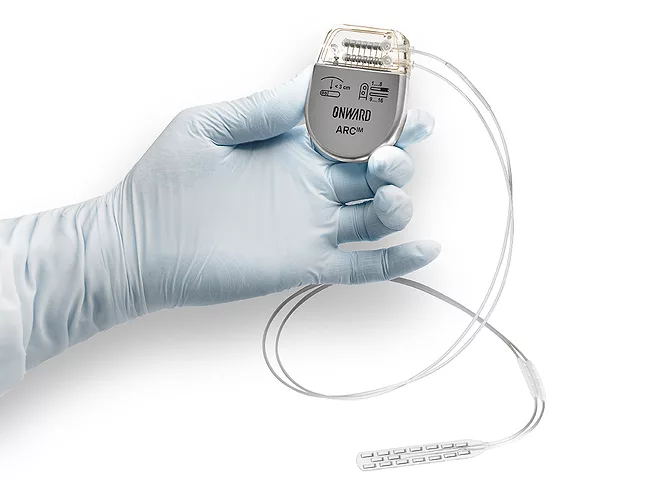
An international team of researchers has successfully used Onward Medical N.V.’s ARC-IM therapy to develop a neurostimulation system that improves blood pressure stability in patients with spinal cord injuries. According to data from two studies published in Nature and Nature Medicine, the implanted system also led to durable reduction of hypotensive symptoms, resulting in an improvement in the quality of life of patients.
Onward Medical NV secured U.S. FDA investigational device exemption (IDE) approval for a pivotal study to assess the safety and efficacy of its implantable spinal stimulation technology, the ARC-IM system. The Empower study BP study will focus on addressing blood pressure instability in patients with spinal cord injury (SCI).
Cortec GmbH implanted its brain-computer interface (BCI) system, Brain Interchange, into a stroke patient in late July, joining a host of other companies conducting clinical trials of their BCI technologies to help people affected by neurological conditions recover lost function and improve their quality of life.