Littdd Medicines Ltd. has described mTOR complex 1 (mTORC1) and/or mTOR complex 2 (mTORC2) inhibitors reported to be useful for the treatment of cancer, idiopathic pulmonary fibrosis, transplant rejection, autoimmune and metabolic diseases, Huntington’s disease, Parkinson’s disease and Alzheimer’s disease, among others.
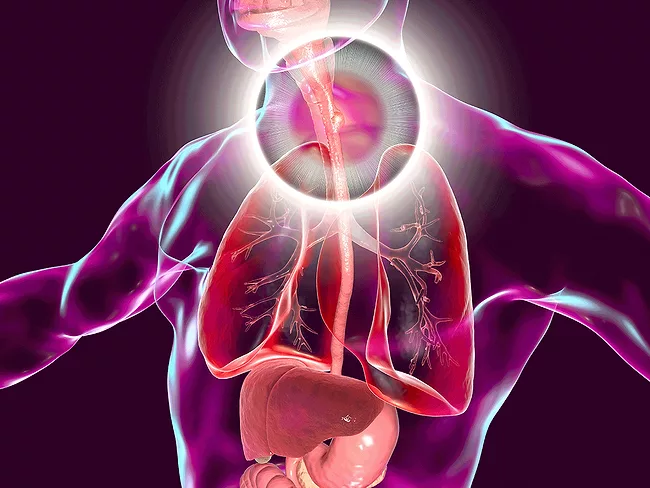
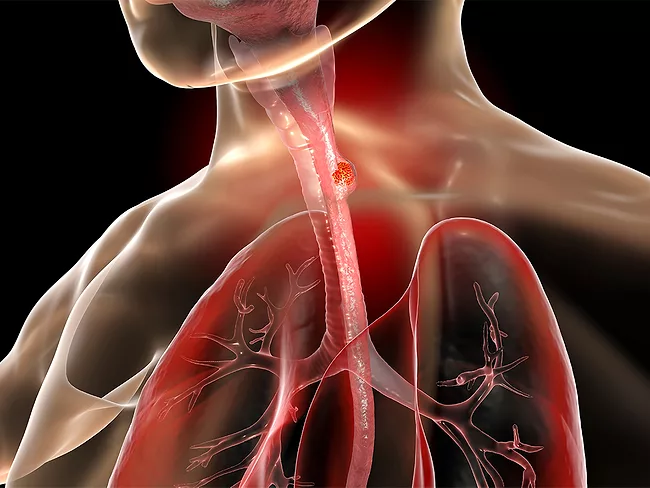
Esophageal cancer is a malignant disease with high incidence and mortality, where esophageal squamous cell carcinoma (ESCC) is the most common histological subtype. To improve therapeutic approaches for ESCC, it is key to explore the mechanisms behind the disease and find targeted inhibitors.
ALX Oncology Holdings Inc. is set to begin phase I studies around the middle of this year with ALX-2004, an antibody-drug conjugate (ADC) for the treatment of EGFR-expressing solid tumors, following IND clearance last month.
Esophageal cancer accounts for the sixth leading cause of cancer-related deaths worldwide. The clinical efficacy of therapies for esophageal squamous-cell carcinoma (ESCC) remain limited due to drug resistance and side effects. There is an urgent need to identify new therapeutic targets to shed light on its pathogenesis.
Canwell Biotech Ltd. has described tyrosine-protein phosphatase non-receptor type 11 (PTPN11; PTP-2C; SHP-2) inhibitors reported to be useful for the treatment of cancer.
Overexpression of focal adhesion kinase (FAK) has been observed in several types of cancer, including gastric, esophageal and colorectal cancers. Several FAK inhibitors have advanced to clinical evaluation for the treatment of cancer, however, none have entered the market.
Esophageal basaloid squamous cell carcinoma (EBSCC) is a rare type of esophageal squamous cell cancer (ESCC) characterized by basaloid features and considered to be more aggressive than ESCC. RNA sequencing was performed from 20 pure EBSCC and 11 poorly differentiated ESCC samples; researchers identified chondroitin sulfate proteoglycan 4 (CSPG4) as a potential marker of EBSCC at the mRNA level, which was verified by immunohistochemistry in these same samples.
Esophageal cancer, particularly esophageal squamous cell carcinoma (ESCC), is one of the most prevalent digestive malignancies, with a 5-year survival rate of only 20%. Although some cancer immunotherapies based on immune checkpoint inhibitors (ICIs) have shown promise for ESCC, only a minority of patients actually benefit from ICI therapy.
Esophageal cancer, particularly esophageal squamous cell carcinoma (ESCC), is one of the most prevalent digestive malignancies, with a 5-year survival rate of only 20%. Although some cancer immunotherapies based on immune checkpoint inhibitors (ICIs) have shown promise for ESCC, only a minority of patients actually benefit from ICI therapy.
Researchers from Zhengzhou University and affiliated organizations published data from a study that aimed to assess the expression levels of histone modifier enzymes in esophageal squamous cell carcinoma (ESCC).