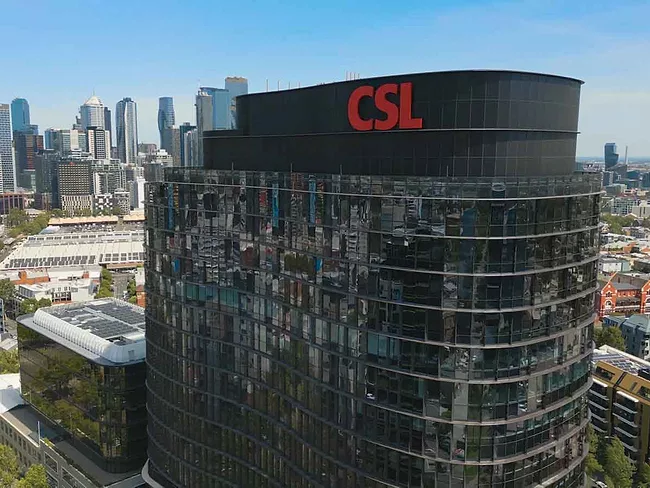
CSL Ltd. is out-licensing its interleukin-6 (IL-6) monoclonal antibody, clazakizumab, to Eli Lilly and Co. in a deal that brings CSL $100 million in up-front fees. A CSL spokesperson told BioWorld the deal includes undisclosed milestone payments and sales-based royalties. CSL will retain rights to develop and commercialize clazakizumab for prevention of cardiovascular events in patients with end-stage kidney disease, while Lilly will explore the MAb in all other indications.
CSL Ltd. is out-licensing its interleukin-6 (IL-6) monoclonal antibody, clazakizumab, to Eli Lilly and Co. in a deal that brings CSL $100 million in up-front fees. A CSL spokesperson told BioWorld the deal includes undisclosed milestone payments and sales-based royalties. CSL will retain rights to develop and commercialize clazakizumab for prevention of cardiovascular events in patients with end-stage kidney disease, while Lilly will explore the MAb in all other indications.
In 2025, the biopharma industry has undergone a wave of workforce reductions that surpasses previous years’ trends. Multiple major pharma companies have announced sizeable job cuts, driven by a convergence of shifting regulatory terrain, vaccine slowdowns and cost-structure rationalization.
CSL Ltd. inked a potential $2.1 billion deal with Dutch biotech company Varmx BV to develop VMX-C001 as a new treatment to restore blood coagulation in patients taking a factor Xa inhibitor.
CSL Ltd.’s stock tumbled 16.88% on the news that it plans to cut 3,000 jobs and to hive off its Seqirus vaccine unit in a cost-cutting measure to save more than $500 million per year over the next three years.
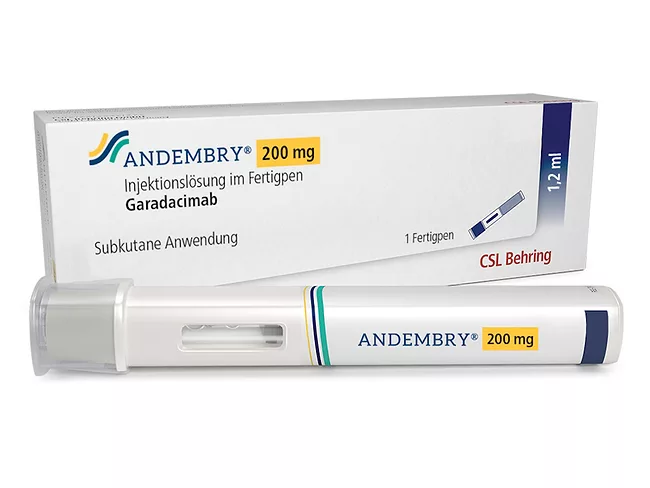
Following a complete response letter issued last October over CMC issues, CSL Behring LLC gained U.S. FDA approval June 16 of its humanized anti-factor XIIa monoclonal antibody, garadacimab (CSL-312), to prevent hereditary angioedema attacks.
First quarter 2025 results presentations were the first chance analysts have had to quiz pharma companies in public about their exposure to the threat of U.S. import tariffs and what action they are taking to mitigate the risks.
First quarter 2025 results presentations were the first chance analysts have had to quiz pharma companies in public about their exposure to the threat of U.S. import tariffs and what action they are taking to mitigate the risks. BioWorld reporters have listened in to the analyst meetings and filleted out responses to the tariff question by CEOs and senior executives, to get an overview of how the sector as a whole is responding. One thing is very clear: While pharmaceuticals are for now exempt from tariffs, the industry has been bracing for their imposition whilst at the same time lobbying strongly against them, on the grounds that drug shortages could result.
Australia’s Therapeutic Goods Administration (TGA) has approved CSL Ltd.’s Andembry (garadacimab) for preventing recurrent hereditary angioedema attacks, marking the first global approval for the drug that was discovered and developed in Australia by CSL scientists.
Australia’s Therapeutic Goods Administration (TGA) has approved CSL Ltd.’s Andembry (garadacimab) for preventing recurrent hereditary angioedema attacks, marking the first global approval for the drug that was discovered and developed in Australia by CSL scientists.