The clearance by the U.S. FDA of Healthccsng V2.0, an artificial intelligence cardiac solution developed by Nano-x Imaging Ltd.’s (Nanox) subsidiary, Nanox.AI, is highly “significant” for the company and will offer “substantial” benefits to cardiology departments by significantly enhancing the detection of coronary artery calcification, Erez Meltzer, Nanox CEO told BioWorld.
In interviews with BioWorld, med-tech industry leaders in Israel noted upfront that a hasty exit mid-conversation could occur in response to sirens alerting to missile attacks. Despite constant disruption, most companies said they were determined to maintain business as close to usual as possible. Still, challenges abound, including the potential mandatory military activation of CEO and key personnel, ongoing attacks and potential disruption or diversion of critical resources. The tenor remains positive, however, with companies praising strong support from the venture capital community and other investors and partners worldwide and the benefits of operations in the U.S.
Neve Ilan, Israel-based Nano-X Imaging Ltd., had rocked the world of medical imaging with promises of X-ray imaging systems that provide low-cost tomosynthesis, but the U.S. Securities and Exchange Commission says the company overpromised on the low-cost claim. The SEC said the actual production cost of the Nano-X ARC systems is at least double the $12,000 per-unit figure routinely touted by the company’s former CEO, Ran Poliakine, a factual misrepresentation that helped the company raise $165 million in an initial public offering.
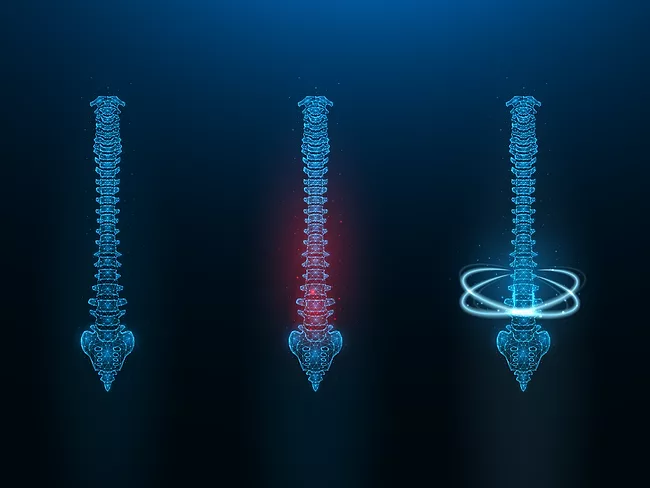
Nano-x Imaging Ltd.’s (Nanox) subsidiary Nanox.AI has received the FDA’s 510(k) clearance for Healthost, an artificial intelligence (AI) software device providing qualitative and quantitative analysis of the spine from CT scans.
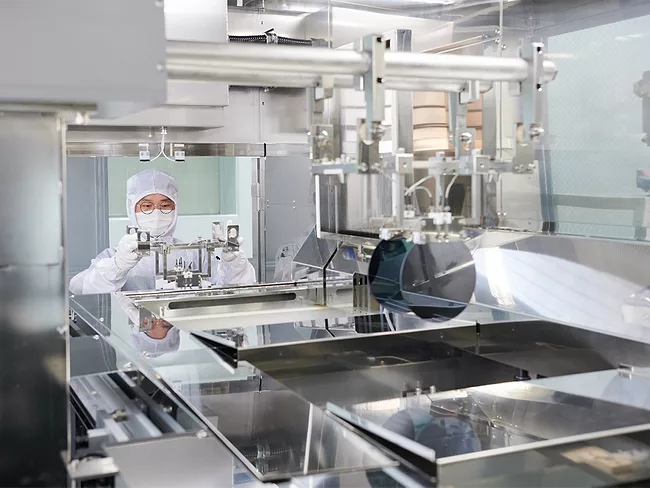
Semiconductors chips, a key component in many medical devices, continue to be in short supply as COVID-19-driven supply chain disruptions continue. The shortage comes at the worst possible time, with demand for the chips on an upward trend. Nano-x Imaging Ltd.’s (Nanox) solution to the shortage was to open a semiconductor chip fabrication plant in Yongin, South Korea, to produce Nanox.source, a semiconductor chip that replaces the filament in the analog X-ray tube.