Radiation therapy resistance (radioresistance) is a key contributor to the failure of rectal cancer treatment, with immunosuppression playing a significant role here.
KRAS-mutated tumors were once untreatable. In fact, KRAS was something of a poster child for so-called undruggability. Several laboratories are investigating strategies to address other mutations and uses beyond non-small cell lung cancer (NSCLC) and colorectal cancer. If you can't bind KRAS to block it, use a glue or combine multiple weapons. This is the idea behind two new approaches that target cancers caused by this proto-oncogene.
KRAS-mutated tumors were once untreatable. In fact, KRAS was something of a poster child for so-called undruggability. Several laboratories are investigating strategies to address other mutations and uses beyond non-small cell lung cancer (NSCLC) and colorectal cancer. If you can't bind KRAS to block it, use a glue or combine multiple weapons. This is the idea behind two new approaches that target cancers caused by this proto-oncogene.
Adaptative immune response mediated by NKG2D receptor and its ligand NKG2DL could be the clue for CD8-expressing “killer” T cells to kill tumors lacking the major histocompatibility complex (MHC) class I, according to a group of researchers at Duke University.
Secreting cytokines and killing tumor cells can be stressful for a T lymphocyte. In short adverse circumstances, these cells adapt to acute stress. If the situation persists, they activate a chronic stress response mechanism. According to a study by the Institute for Biomedical Research (IRB) in Barcelona, the cytoplasmic polyadenylation element-binding protein 4 (CPEB4) mediated this adaptation process.
The traps that neutrophils develop against microorganisms also hold T cells and prevent the success of immunotherapy in pancreatic cancer. To free the immune system from itself, scientists at the Istituto Oncologico Veneto in Italy made a key that unlocked this sticky dungeon from an antibody against arginase-1 (ARG1), an enzyme also present in the trap.
Does cancer cause autoimmune disease or is it the other way around? In looking at the question of which comes first, the chicken or the egg, researchers at the Garvan Institute of Medical Research in Australia found that a genetic mutation that alters immune cells in leukemia is behind certain autoimmune disorders.
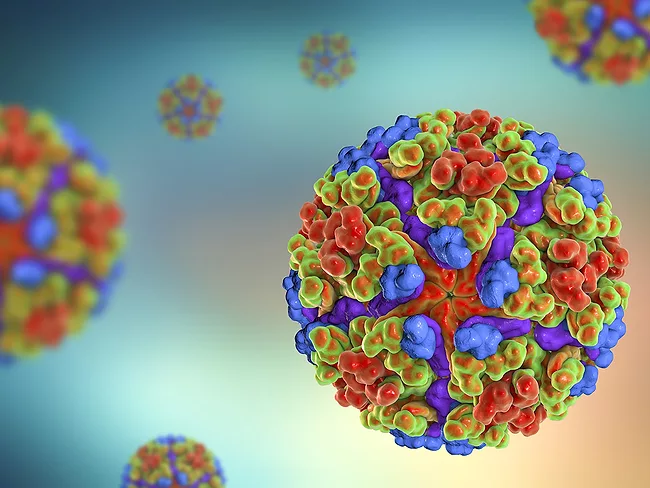
Emergex Vaccines Holding Ltd. has generated a chikungunya virus (CHIKV) ligandome, the first major milestone in the development of the company's CD8+ T-cell CHIKV adaptive vaccine candidate. Using an immunoproteomics approach, naturally presented MHC Class I-restricted peptides on the surface of a human leukocyte antigen (HLA)-typed cell line infected with CHIKV virus were extracted and identified.
Cancer-associated fibroblasts (CAF) expressing the LRRC15 protein (leucine-rich repeat-containing protein 15) could be responsible for the suppression of antitumor immunity, according to a study using mouse models of pancreatic cancer. Scientists from Roche Holding AG subsidiary Genentech Inc. demonstrated in vivo that TGF-β type 2 receptor signaling in healthy universal fibroblasts produces cancer-associated LRRC15+ myofibroblasts.