Although CAR T-cell treatment can lead to clinical remissions in patients with hematological malignancies, relapse rates ultimately remain high. Previous research has found that T memory stem cell content in the infused CAR T-cell products correlated with better expansion and persistence in lymphoma patients. As a result of these observations, several approaches are being investigated to generate CAR T cells characterized by a less differentiated phenotype.
Discovered and characterized at The University of North Carolina at Chapel Hill, the compound showed potent PDE4D inhibition and demonstrated high selectivity over other PDE families.
Researchers at the University North Carolina at Chapel Hill and University of Florida have divulged triazoles acting as κ-opioid receptor agonists reported to be useful for the treatment of pain, pruritus, depression, inflammation and more.
Many people living with HIV develop mild cognitive impairment and mood problems known as HIV-1-associated neurocognitive disorder (HAND). The activation of the cannabinoid CB1 receptor may be a feasible strategy to treat this disorder, but associated psychoactive side effects restrict their potential.
Epigenetic desilence of the paternal allele of the gene that causes Angelman syndrome (AS) could be used to treat this disease for which there are currently no approved therapies.
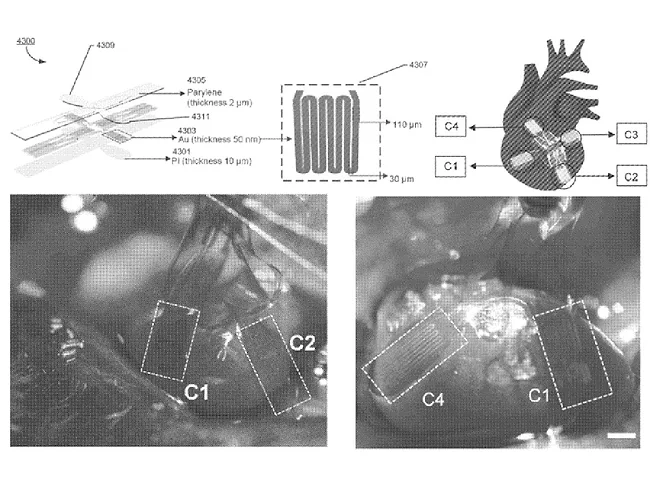
Wubin Bai, assistant professor of applied physical sciences at UNC-Chapel Hill, is seeking protection for morphable 3D-folded microelectronic mesostructures, including epicardial bioelectronic probes, made using concepts borrowed from origami.
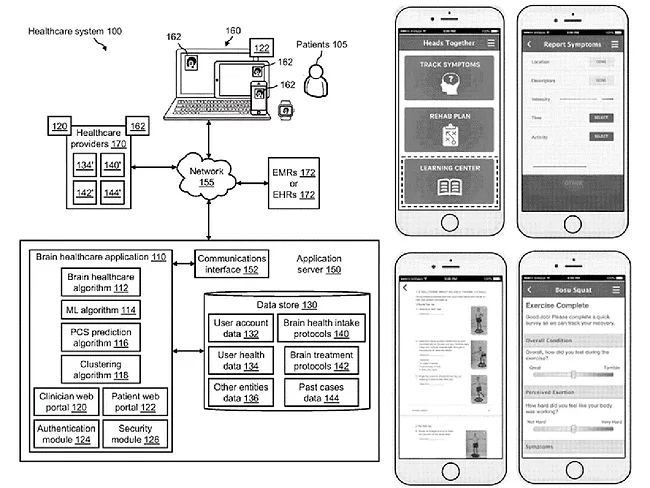
Branelie Health Inc. seeks patent protection for a computer-implemented method and system for predicting appropriateness of treatment options for the management of traumatic brain injuries, particularly concussions.
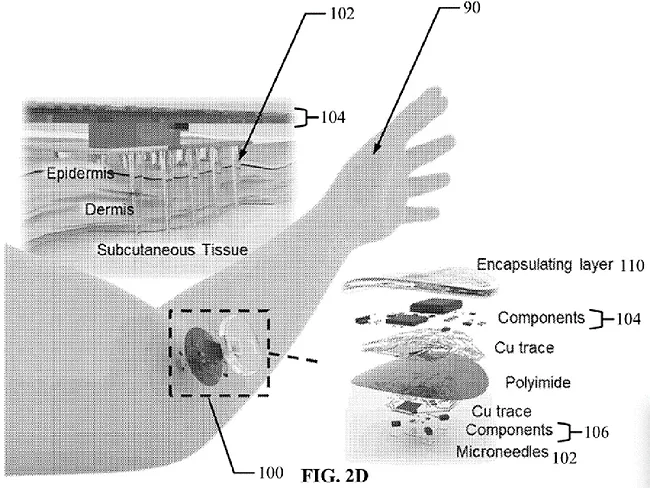
Wubin Bai, assistant professor of applied physical sciences, and members of his lab at UNC-Chapel Hill have developed a wearable, wireless sensing patch for deep tissue monitoring of multiple biometric indicators, including tissue oximetry, pulse oximetry, photoplethysmography, heart pulsation, and respiration.
Traditionally developed antibiotics generally act inhibiting essential bacterial enzymes. However, new strategies are urgently needed to discover novel antibiotics against bacterial infections, such as Lyme disease caused by Borrelia burgdorferi. The chaperone high-temperature protein G (HtpG) is a nonessential bacterial protein containing a desirable druggable domain.