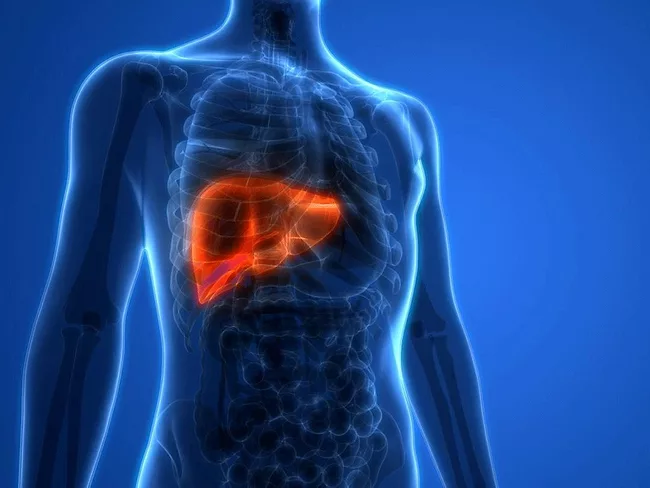
Immunity is not a function most people particularly associate with the liver. But because of its connection to the gut, the liver is exposed to bacterial metabolites as few other organs are. And when either the liver or the gut is not functioning well, it can adversely affect immunity as well.
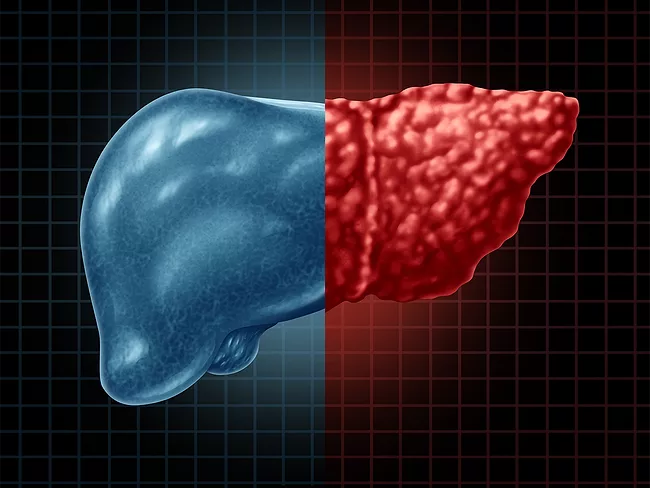
Zhejiang Doer Biologics Co. Ltd. has presented data regarding their FGF21R/GCGR/GLP-1R triple agonist DR-10624 for the treatment of metabolic dysfunction-associated steatohepatitis (MASH).
Aberrant activation of β-catenin, often due to mutations in its encoding gene or loss-of-function mutations in APC, contributes to tumor progression and therapy resistance, as seen in advanced hepatocellular carcinoma (HCC), where approximately 30% of cases exhibit β-catenin activation.
Current therapies for chronic hepatitis B virus (HBV) infection can effectively suppress viral replication but do not achieve a functional or complete cure. Capsid assembly modulators inhibit the assembly of viral capsids, prevent the encapsidation of pregenomic RNA, and interfere with both the formation and amplification of covalently closed circular DNA, which is essential for viral persistence.
Beijing QL Biopharmaceutical Co. Ltd. has presented preclinical data on their GLP-1/GDF15 dual agonist QL-1005 for the potential treatment of inflammation and fibrosis in murine models of metabolic dysfunction-associated steatohepatitis (MASH) and chemically induced liver fibrosis.
Immunity is not a function most people particularly associate with the liver. But because of its connection to the gut, the liver is exposed to bacterial metabolites as few other organs are. And when either the liver or the gut is not functioning well, it can adversely affect immunity as well. The liver is connected to the gut via both the biliary system and the portal vein. Those two conduits allow metabolites from the gut microbiome to influence what’s going on in the liver. Both liver and gut damage can affect this communication for the worse. And surprisingly, one of the consequences is immune dysfunction.
“I’m a pediatrician in metabolic diseases, and every day in my clinical work I’m confronted with our lack in effective therapies for our patients.” That was the sobering introduction by Sabine Fuchs in her talk at the 2025 Congress of the European Association for the Study of the Liver in Amsterdam this week. The nature of metabolic diseases makes it difficult to develop treatments for them. “There are over 1,500 diseases known by now, and it is just very difficult to develop therapies for each and every individual rare disease.”
Researchers from Universitatsklinikum Heidelberg presented data from a study that investigated the role of strawberry notch homolog 1 (SBNO1) in the development of hepatocellular carcinoma (HCC) and cholangiocarcinoma (CCA).
Researchers from Universidad del País Vasco and affiliated organizations presented data from a study that aimed to investigate the role of macrophage receptor with collagenous structure (MARCO) in intrahepatic cholangiocarcinoma.
Researchers from Medizinische Hochschule Hannover and affiliated organizations reported data from studies aimed to identify non-coding microRNAs (miRNAs) with therapeutic potential against liver fibrosis in hepatocellular carcinoma (HCC). Functional screening of patient-derived primary human hepatic myofibroblasts, followed by in vivo validation in mouse models of fibrosis, were performed in search of antifibrotic miRNAs.