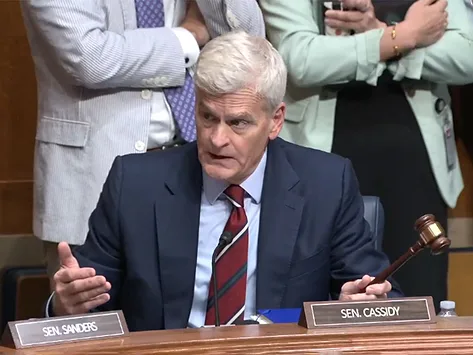
Erica Schwartz is one step away from becoming the next director of the U.S. CDC. The Senate Health, Education, Labor and Pensions (HELP) Committee voted 13-10 July 30 to favorably report her nomination to the Senate floor for confirmation. The committee also favorably reported the nomination of Sean Kaufman, on a party line vote of 12-11, to be the assistant secretary for preparedness and response (ASPR) at the Department of Health and Human Services.
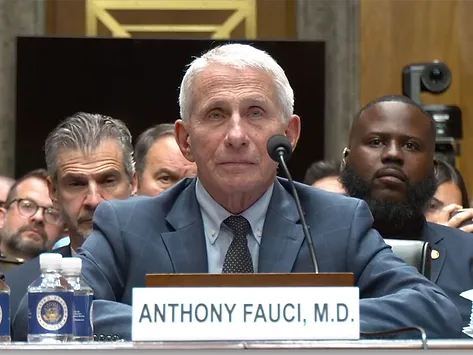
After repeatedly invoking the Fifth Amendment to every question asked during the July 29 hearing of the U.S. Senate Homeland Security Committee, Anthony Fauci, the now retired head of the NIH’s National Institute of Allergy and Infectious Diseases, faces a committee vote next week on a resolution citing him for contempt.
The nomination of Erica Schwartz as the next director of the U.S. CDC moved incrementally forward, gaining the support of a key Republican senator. Meanwhile, a delay in the scheduled committee vote July 23 to send her nomination to the Senate floor suggested she will need all the support she can get.
Infection control expert William Schaffner of the Vanderbilt University School of Medicine joins to discuss the CDC’s Advisory Committee on Immunization Practices and how COVID-19 put the committee’s schedule into overdrive.
An in-depth conversation with Lucio Rovati, CEO and chief scientific officer of Italy’s Rottapharm Biotech as they tackle the new world of DNA vaccines.