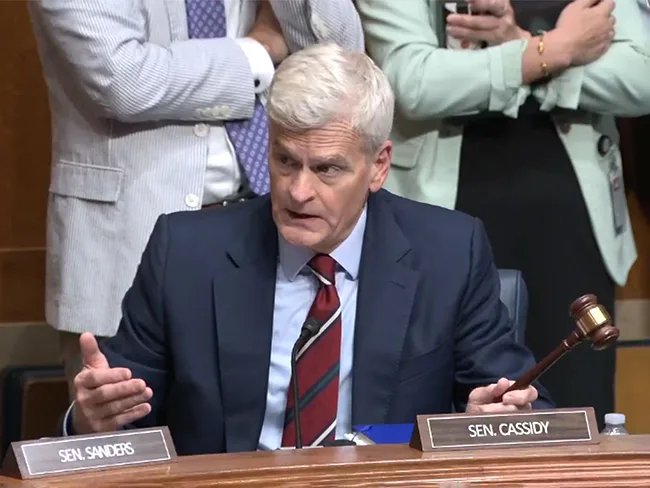
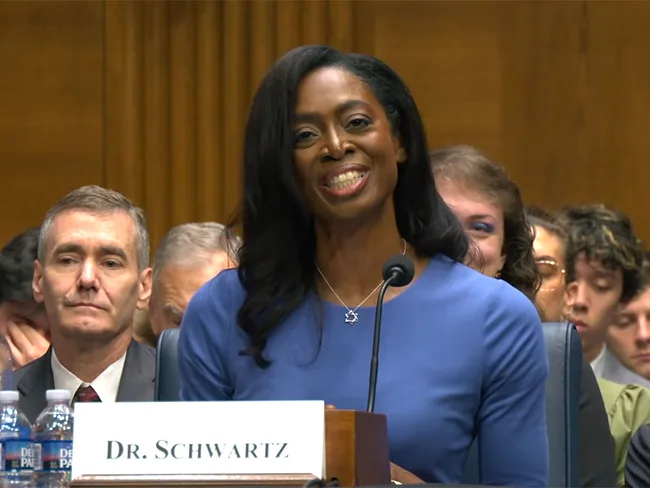
The nomination of Erica Schwartz as the next director of the U.S. CDC moved incrementally forward, gaining the support of a key Republican senator. Meanwhile, a delay in the scheduled committee vote July 23 to send her nomination to the Senate floor suggested she will need all the support she can get.
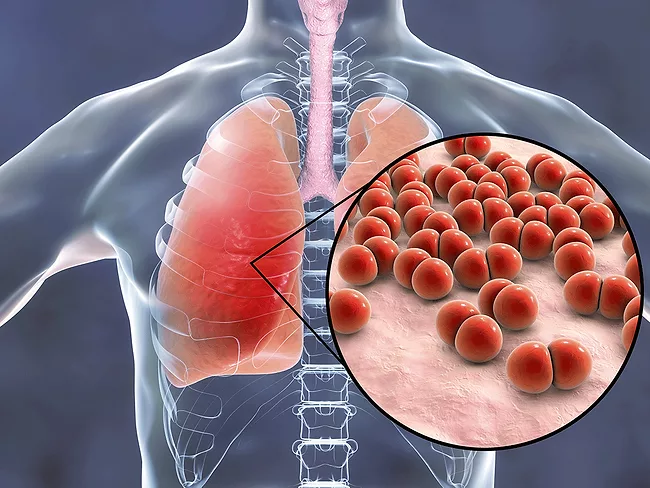
Abera Bioscience AB has announced, together with clinical partner Radboud University Medical Center, the submission of a clinical trial application in the Netherlands to initiate a phase I trial of its serotype-independent pneumococcal vaccine candidate AB-01.12.
Outer membrane vesicles (OMVs), naturally released by gram-negative bacteria, are promising platforms for mucosal vaccines due to their immunostimulatory properties and ability to display antigens. Abera Bioscience AB previously developed an OMV platform using genetically engineered bacteria with covalent antigen decoration via Spycatcher/Tag technology.
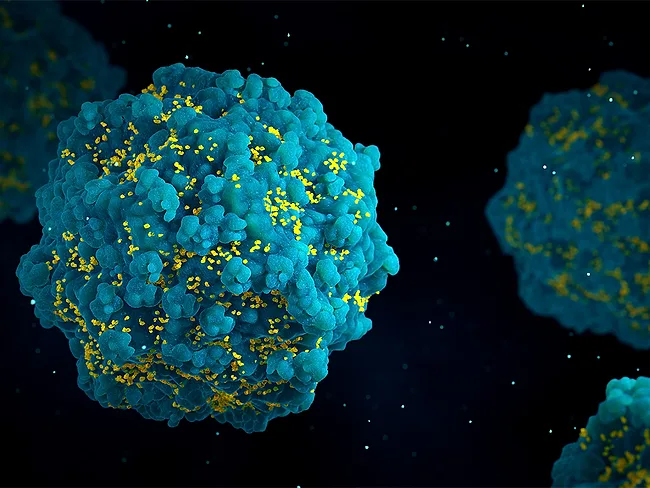
The HIV vaccine field is increasingly focusing on inducing broadly neutralizing antibodies (bNAbs) that can recognize the virus’s genetic diversity. Recent experimental approaches include germline-targeting vaccines, sequential immunization strategies, mRNA-based immunogens, and nanoparticle platforms displaying engineered HIV envelope (Env) trimers. Several studies published in 2025 and 2026 how these designs guide antibody maturation in humans and generate broad neutralizing responses in nonhuman primates, although no HIV vaccine has yet demonstrated protective efficacy in large clinical trials.
Breezebio Inc. (formerly Genedit Inc.) has entered into a joint research agreement with Ligachem Biosciences Inc. to develop innovative cancer vaccine therapies.
U.S. Health and Human Services Secretary Robert Kennedy was the 800-pound gorilla that couldn’t be ignored as the Senate Health, Education, Labor and Pensions Committee held a joint confirmation hearing July 15 for President Donald Trump’s nominees for CDC director and the head of the Administration for Strategic Preparedness and Response.
The Oxford Vaccine Group has delivered on its promise, and after starting work in mid-May has completed preclinical testing and is ready to begin a phase I trial of a vaccine against the Bundibugyo Ebola virus that is causing the current serious disease outbreak in the Democratic Republic of Congo.
Human cytomegalovirus (CMV) is a clinical challenge in infants and immunocompromised individuals, since no licensed vaccine exists. Vaccine development is complex due to several factors, including viral latency, genomic complexity and immune evasion, among others. Evaxion A/S recently presented data on its proprietary AI-immunology platform used to create the EVX-V1 vaccine for CMV infection.
What appears to be a routine item on a routine list of the U.S. Department of Health and Human Services’ (HHS) proposed rulemakings for the next fiscal year is being seen as anything but routine, given HHS Secretary Robert Kennedy’s stance on vaccines and several commonly used drugs.
Abera Bioscience AB has completed a ferret study with its intranasal influenza vaccine candidate. The results were consistently strong and encourage the continued development of the program. Abera intends to publish detailed study data in a peer-reviewed scientific journal.
 RSS
RSS