Counterx Therapeutics Inc. has executed an exclusive licensing agreement with the University of Minnesota and the University of Washington for a portfolio of novel monoclonal antibody and vaccine candidates targeting fentanyl and opioid overdose.
The K-health MIRAE Initiative, also known as Korean ARPA-H, announced plans to allocate about ₩162 billion (US$110 million) in nine new projects over the next five years, with a focus on strengthening national health security.
Aiming to develop a vaccine candidate against human adenovirus-55 (HAdV-55) infections, researchers from the First Affiliated Hospital of Guangzhou Medical University (China) and collaborators have generated a replication-incompetent rAd55-5E4.
The K-health MIRAE Initiative, also known as Korean ARPA-H, announced plans to allocate about ₩162 billion (US$110 million) in nine new projects over the next five years, with a focus on strengthening national health security.
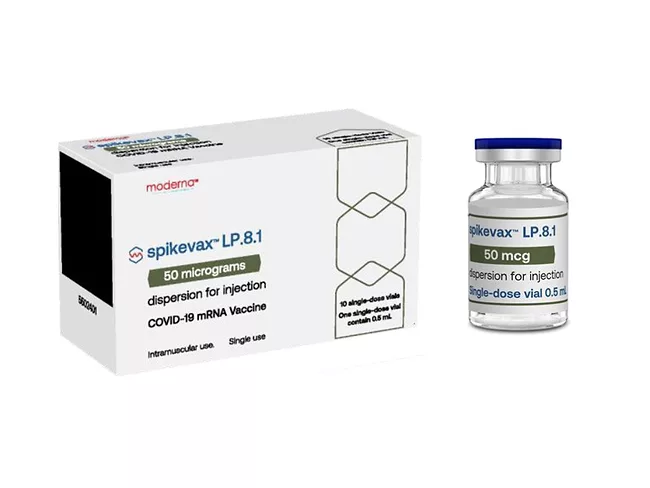
In what it says could be the largest disclosed patent settlement in the pharmaceutical industry, Roivant Sciences Ltd. has reached a potential $2.25 billion settlement with Moderna Inc. over the use of its lipid nanoparticle delivery technology in the Spikevax COVID-19 vaccine.
The U.S. CDC’s Advisory Committee on Immunization Practices (ACIP) has two new members, bringing its total membership to 15. As he has done since dismissing the entire ACIP panel last June, Health and Human Services Secretary Robert Kennedy named the new members, Angelina Farella and Sean Downing, barely two weeks before the next ACIP meeting, March 18-19.
The EMA’s Committee for Medicinal Products for Human Use recommended approval of Moderna Inc.’s Mcombriax (mRNA-1083), positioning it to potentially become the world’s first combination vaccine for both seasonal influenza and COVID-19.
U.S. Health and Human Services Secretary Robert Kennedy is facing a second lawsuit challenging his replacement of all the members of the Advisory Committee on Immunization Practices (ACIP) and seeking to undo the CDC’s Jan. 5 revision of its childhood immunization schedule.
A world-first pediatric mRNA cancer vaccine trial is launching in Australia that could open new possibilities for children with aggressive brain tumors.
Amid an ongoing court challenge to the current composition of the CDC’s Advisory Committee on Immunization Practices (ACIP), the committee’s Feb. 25-27 meeting has been removed from its calendar.
 RSS
RSS