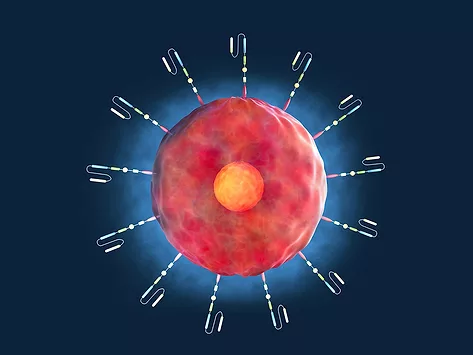
The field of cell and gene therapy is moving toward a new phase of scalability and clinical durability, with in vivo chimeric antigen receptor (CAR) T-cell therapeutics emerging as the dark horse in what speakers at BIO Asia-Taiwan 2026 described as CAR T’s second revolution.
Signs of recovery are emerging in the biotechnology investment sector, although investors across Asia say that capital is flowing selectively to companies that can demonstrate clinical differentiation, strong management teams and a clear path to commercialization.
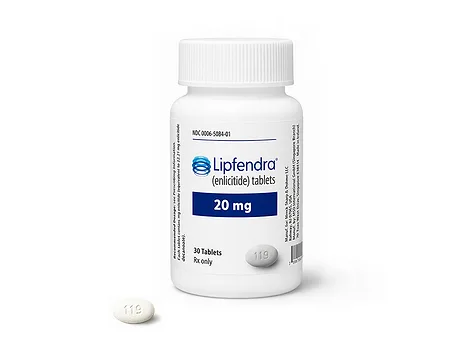
Branded Lipfendra, Merck & Co. Inc.’s oral PCSK9 inhibitor enlicitide, part of the FDA Commissioner’s National Priority Voucher pilot program, won U.S. approval to reduce low-density lipoprotein cholesterol (LDL-C) in adults with hypercholesterolemia, including heterozygous familial hypercholesterolemia.