Seven years, almost to the day, after releasing a draft guidance on post-approval pregnancy safety studies, the U.S. FDA is now finalizing it – albeit with a few changes.
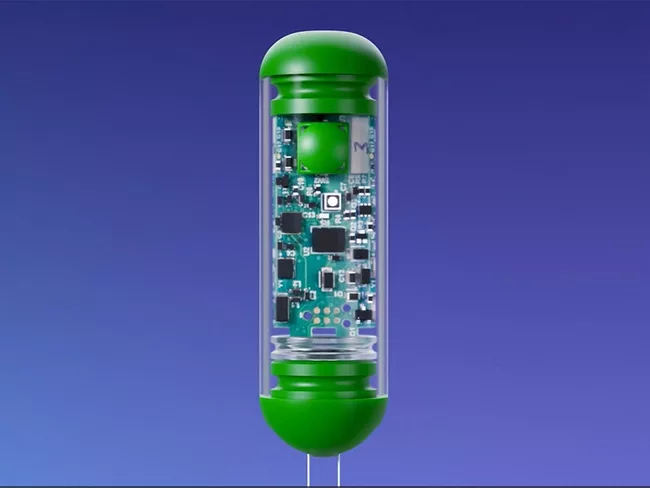
Bright Uro Inc. secured U.S. FDA 510(k) clearance for the Glean abdominal sensor, which expands the capabilities of its Glean urodynamics system to enable multichannel urodynamic studies. The new sensor will allow clinicians to perform multichannel urodynamics, capturing both abdominal and detrusor pressures without the need for catheters, supporting treatment decision-making for patients with lower urinary tract dysfunction and other urological conditions.
Harbour Biomed has gained IND clearance from the FDA for HBM-7004, enabling the initiation of a first-in-human phase I trial in subjects with advanced solid tumors.
Arrivent Biopharma Inc. has obtained IND clearance from the FDA for ARR-002 (AV-P138-ADC), an antibody-drug conjugate (ADC) with an initial focus in ovarian and endometrial cancers and broader therapeutic potential across solid tumors. A phase I trial is expected to open in the second half of the year.
Reports that Sanofi SA has asked to withdraw its sBLA for Tzield (teplizumab) from the U.S. FDA’s Commissioner’s National Priority Voucher (CNPV) program is once again raising questions about whether leadership skepticism is overruling approval decisions at the agency.
Even before the U.S. FDA announced its one-day inspection pilot May 6, it already had test-flown 46 of the shorter inspections across several of its centers.
Three decades of trial-and-error, and the resulting safety data, in the oligonucleotide-based therapeutic space have paved way for the present-day innovations and the promise of “programmable,” precision medicine for patients, speakers at Bio Korea 2026 said April 28.
Regulatory uncertainty that dominated the life science sector in 2025 is transitioning into an execution framework for biotechnology companies, provided companies can tailor regulatory strategies early, and across the entire development cycle.
Regulatory uncertainty that dominated the life science sector in 2025 is transitioning into an execution framework for biotechnology companies, provided companies can tailor regulatory strategies early, and across the entire development cycle.
 RSS
RSS