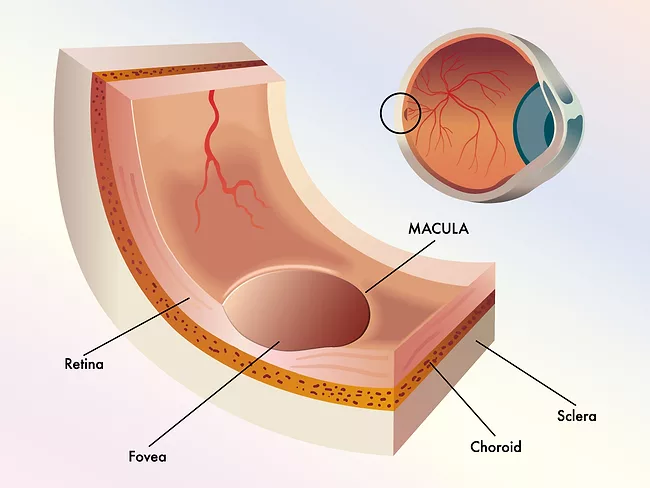
Sanaregen Vision Therapeutics Inc. has received FDA clearance to conduct a phase I/II trial of SVT-001, an investigational cell therapy for individuals with familial drusen.
Ascendis Pharma A/S’ Yuviwel (navepegritide) gained U.S. FDA accelerated approval Feb. 27 for children 2 and older with the rare genetic bone growth disorder achondroplasia, also known as dwarfism, winning the company a rare pediatric disease priority review voucher
Uniqure NV is the latest firm to get caught between the FDA’s shifting demands for “gold standard” science and regulatory flexibility for rare disease therapies. The company disclosed in its latest earnings report that U.S. regulators are calling for a sham-controlled study before they will consider approval of gene therapy AMT-130 in Huntington’s disease, a requirement that could set the program back by two to three years and raises potential ethical issues.
In a boon for licensee Bristol Myers Squibb Co., Systimmune Inc.’s next-generation cancer drug, izalontamab brengitecan (iza-bren), hit both progression-free survival and overall survival endpoints in a phase III trial of Chinese patients with advanced triple-negative breast cancer.
The U.S. FDA’s expectations that its new default position of basing marketing authorization of novel drugs on one adequate, well-controlled trial may be overstated. In explaining the policy in a recent article in TheNew England Journal of Medicine, FDA Commissioner Marty Makary and CBER Director Vinay Prasad said they expect the initiative will create a “surge in drug development,” substantially reduce development costs and will speed drugs to market. While the initiative could reduce the time to the U.S. market, those expectations don’t take into consideration global norms and payer expectations.
The U.S. FDA approved Allurion Technologies Inc.’s premarket application for its swallowable gastric balloon system, which features its Smart Capsule, for weight loss. The clearance is boon for the company as GLP-1 agonists gets increasingly adopted to treat obesity. The approval also brings to the market a new non-invasive option to patients looking for alternative ways to lose weight.
While the annual State of the Union address has morphed over the years from a summation of the state of the U.S. government and the president’s legislative agenda into political theater on both sides of the aisle, President Donald Trump did include some recommendations to Congress in his Feb. 24 speech. Among those recommendations was a request for Congress to codify his most-favored-nation pricing policy for prescription drugs.
Targeting an ultrarare disease affecting about 250 U.S. residents, Immedica Pharma AB’s Loargys (pegzilarginase) won accelerated FDA approval to treat hyperargininemia in those ages 2 and older with arginase 1 deficiency (ARG1-D).
The U.S. FDA accepted, with priority review, Takeda Pharmaceutical Co. Ltd.’s NDA submission for oveporexton (TAK-681), bringing the oral orexin receptor 2 agonist closer to clearance in narcolepsy type 1.
Tessera Therapeutics Inc.’s lead in vivo gene editing program, TSRA-196, has been awarded orphan drug and fast track designations by the FDA for adults with α-1 antitrypsin deficiency (AATD).
 RSS
RSS