Introduced last year as a pilot program, the U.S. FDA Commissioner’s National Priority Voucher (CNPV) could be here to stay – at least for the duration of Marty Makary’s tenure as FDA commissioner. Since the FDA unveiled the CNPV last June, it has welcomed 18 products from 16 companies into the “game-changer” program for patients, as Makary described it. The goal is to provide an “ultrafast review pathway,” one to two months instead of the standard 10 to 12 months, for drugs and biologics of strategic national importance while maintaining the FDA’s scientific and regulatory standards, according to the agency.
With all the focus of late on the U.S. CDC’s Advisory Committee on Immunization Practices (ACIP), the FDA’s 30-plus advisory committees have been flying under the radar, especially since many of them haven’t met for a few years now.
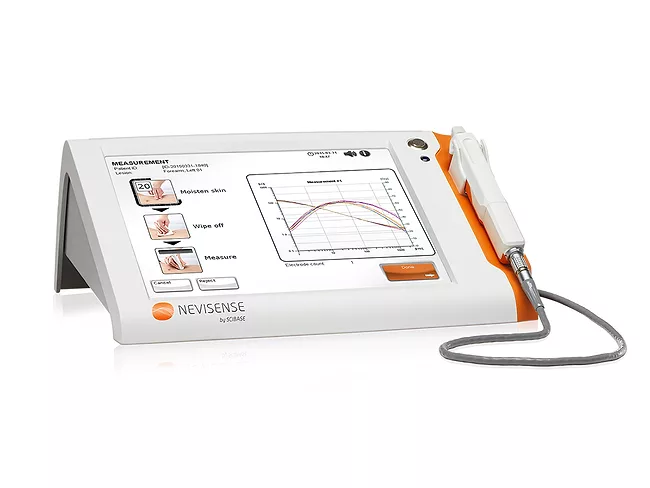
The U.S. FDA has issued a final order to reclassify optical diagnostic devices for melanoma detection and electrical impedance spectrometers from class III to class II, with special controls required.
Repeated promotional claims Patrick Soon-Shiong made about Immunitybio Inc.’s Anktiva – such as “We have now discovered and developed this drug … approved for bladder cancer, but it actually can treat all cancers” – landed the Culver City, Calif., company a strongly worded warning letter from the U.S. FDA.
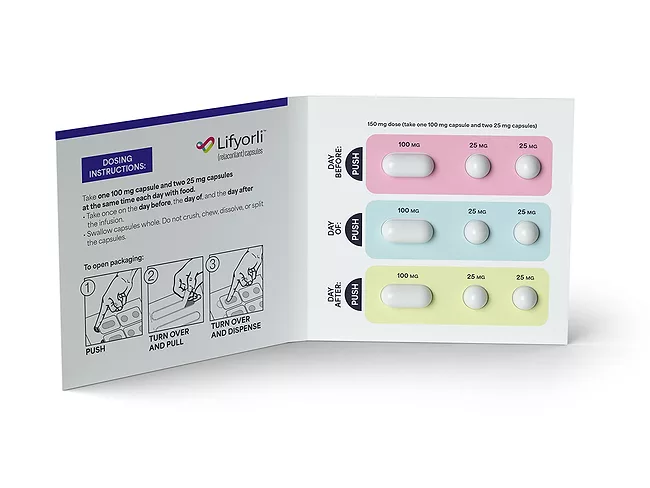
The U.S. FDA approved Corcept Therapeutics Inc.’s oral, selective glucocorticoid receptor antagonist, Lifyorli (relacorilant), nearly four months ahead of schedule for adults with platinum-resistant epithelial ovarian, fallopian tube or primary peritoneal cancer. A short time after the agency approved Lifyorli, it cleared Denali Therapeutics Inc.’s Avlayah (tividenofusp alfa) under the accelerated approval pathway for mucopolysaccharidosis II, also called Hunter syndrome, ahead of the April 5 PDUFA date.
Endomet Biosciences Inc. (dba Endocyclic Therapeutics) has obtained IND clearance from the FDA for its lead program, ENDO-205, a first-in-class, nonhormonal targeted peptide therapeutic for endometriosis.
Drug approvals by the U.S. FDA totaled 26 in the first two months of 2026, with eight approvals in January and 18 in February. Compared with 2025, when approvals reached 12 in January and 16 in February (28 total), early 2026 activity is consistent with historical ranges.
In what the U.S. FDA has dubbed a milestone move toward fewer animal studies in drug development, the agency published a draft guidance to help sponsors validate new approach methodologies that can bring safe, effective drugs to market sooner based on human-centric data rather than starting off with nonclinical animal pharmacology and toxicology data.
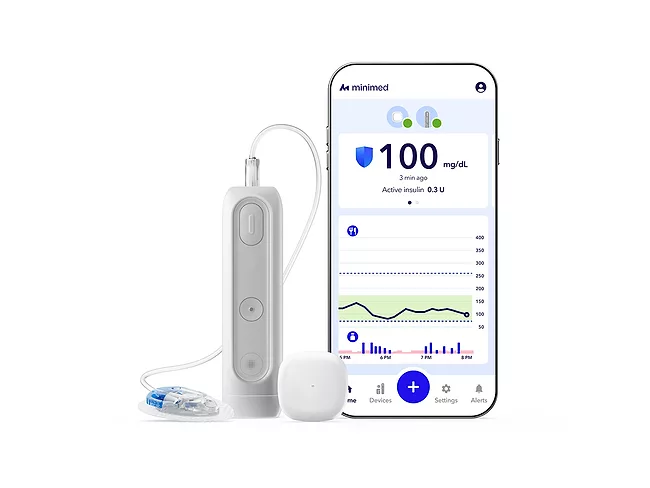
Minimed Group Inc. secured U.S. FDA approval for Minimed Flex, its next-generation discreet, smartphone-controlled insulin pump. The nod from the FDA follows the company’s debut on Nasdaq March 6. About half the size of the Minimed 780G pump and roughly the size of two stacked insulin vials, the screenless pump was designed in collaboration with people living with diabetes to offer a more intuitive, lifestyle‑friendly way to manage the condition.
With the U.S. FDA’s approval of GSK plc’s ileal bile acid transporter (IBAT) inhibitor, Lynavoy (linerixibat), patients with primary biliary cholangitis no longer need off-label treatments for a debilitating internal itch symptom called cholestatic pruritus.
 RSS
RSS