
BioWorld / Cancer
Radiopharmaceuticals: The next big disrupter?
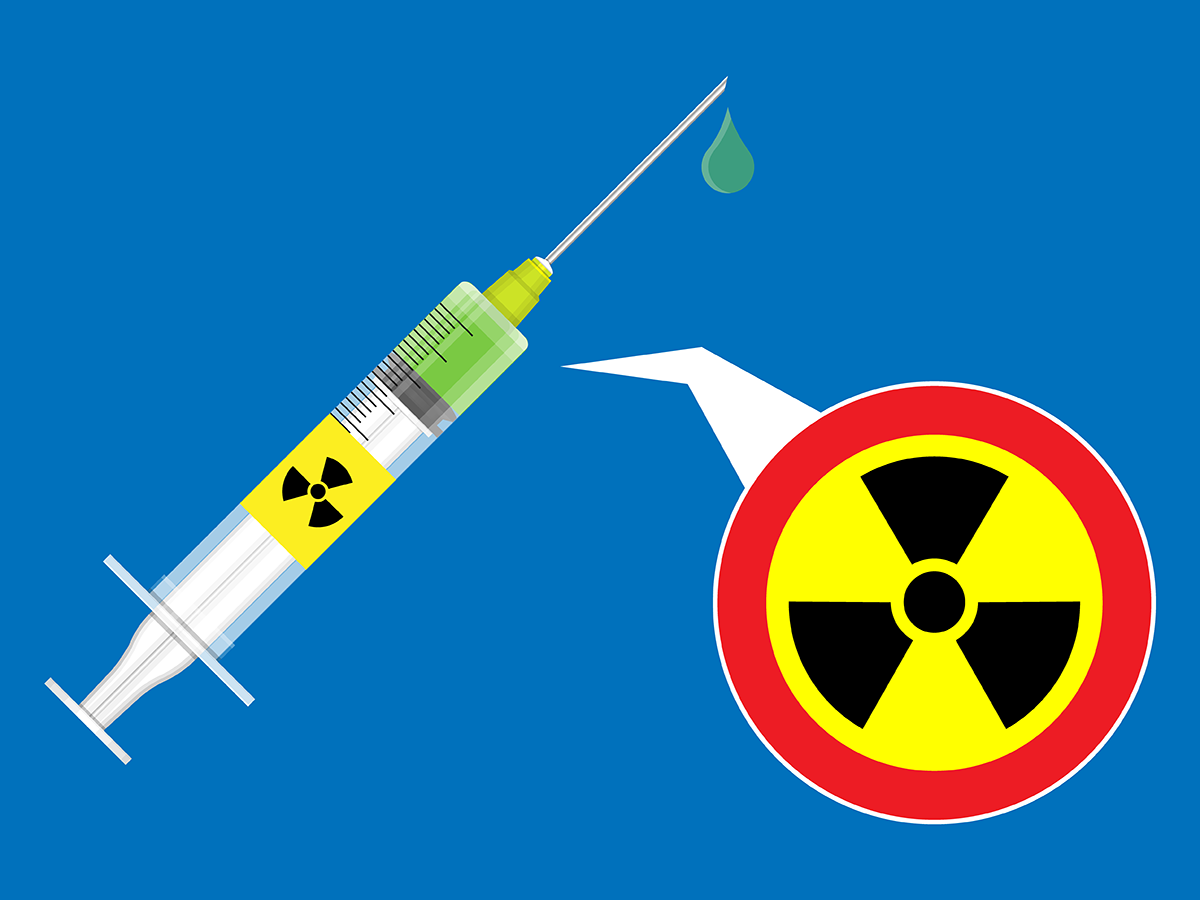 Radiopharmaceuticals have been used for a long time for diagnostics, but radiopharma therapies are entering a new era in which they are becoming widely accepted as a key tool in the oncology armamentarium potentially providing patients with a big bump in efficacy with fewer side effects and less damage to healthy tissue.
In this eight-part series, BioWorld takes a deep dive into this new treatment modality to explore what the new uses or alternatives are and what the future of radiopharmaceutical therapy might look like.
Part one sets the stage and outlines the beginnings of the industry and some of the challenges drugmakers will need to overcome. The series will take a closer look at the different radiopharmaceutical moieties, the science behind them, the patient journey, the therapies in the pipeline, the regulatory landscape, and the supply chain vulnerabilities.
How equipped are radiopharma stakeholders to overcome radioactive challenges?
Global interest in radiopharmaceuticals is growing, and some big deals in the space have sparked interest in the last few years. Novartis AG has spent about $6 billion in acquisitions and is seen as the global leader. Novartis acquired Endocyte Inc. for $2.1 billion in 2018 and inherited Pluvicto (177Lu-PSMA-617), which uses lutetium (177Lu) vipivotide tetraxetan, a beta emitter that targets prostate-specific membrane antigen 13 (PSMA13). In June 2021, Bayer AG acquired Noria Therapeutics Inc. and PSMA Therapeutics Inc. to develop a prostate-cancer treatment that uses a small molecule to deliver a radioactive therapy to cells bearing PSMA markers. The idea behind these therapies is to attach a radioactive isotope to a targeting molecule that delivers radiation to the cancer cell with a high degree of specificity and selectivity. Often called “theranostics,” a small amount of radioactivity is first used to image a patient with a positron emission tomography (PET) scan to detect the degree to which a target is expressed. The global radiopharma industry was estimated to be worth $5 billion in 2017, and it could grow to $15 billion in the U.S. alone in the coming years, said William Blair analyst Andy Hsieh in a July 2022 report.
Radiopharmaceuticals on their way to becoming mainstream cancer therapies
The big idea behind radiopharmaceuticals is taking the hallmarks of two cancer therapies – radiology and chemotherapy – and merging them, and this is what makes the technology a disrupter. A radioactive isotope is attached to a targeting molecule that delivers radiation to the cancer cell with a high degree of specificity and selectivity. Often called “theranostics,” a small amount of radioactivity is first used to image a patient with a positron emission tomography (PET) scan to detect the degree to which a target is expressed. What results is a molecule that has a therapeutic benefit, but most of the benefit is the radioactive dose that is delivered in a very specific way.
After spending decades developing targeted chemotherapy and bringing a dozen or so compounds into the clinic, Fusion Pharmaceuticals Inc. Chief Scientific Officer Christopher Leamon switched careers to focus on radio-oncology because he saw the need for “a really strong bomb to target cancer to get it to respond.” That was radiotherapy, said Leamon, who was one of the scientific founders of Endocyte Inc., which Novartis AG acquired.
Scientifically, radioligands may head from bedside back to bench
If its challenges can be overcome, radioligand therapy is poised to change the way many cancers are treated. It is also likely to become an example of how scientific advances, once they are translated successfully, can enable further insights in a bench-to-bedside-to-bench loop. David Piwnica-Worms, professor and chair of cancer systems imaging at The University of Texas MD Anderson Cancer Center, predicted that as radioligand therapy expands, many questions will be answered about both radiation biology and the interaction of radiation with the immune system more specifically.
Radiopharma pipeline gathers atomic speed
The radiopharma field has garnered increasing attention in recent years due to big-ticket deals like Bayer AG's $2.9 billion acquisition of Algeta ASA and Novartis AG's nearly $6 billion spent on buying Advanced Accelerator Applications SA and Endocyte Inc. As a result, competition is ratcheting up and pipelines are exploding with new combinations of different drugs. The global radiopharmaceuticals market was estimated to be valued at $6.7 billion in 2020, a number expected to reach $11.5 billion by 2027, according to a 2022 William Blair report.
Keeping up with the technology a growing task for regulators
The possibilities of cures for cancer and other tough-to-treat diseases and the ability to further personalize medicine are creating a lot of excitement about the future of radiopharmaceuticals as both therapy and diagnostics. To reach that future, industry and researchers will have to overcome a lot of challenges, not the least of which stem from the multiple government agencies involved in regulating the source material, development, distribution and use of radioactive drugs and devices.
Radiopharma industry grapples with supply challenges
Radiopharmaceuticals require sophisticated infrastructure, with just-in-time radioactives delivered to patients who must isolate while receiving the therapy. Quality control and numerous layers of regulation makes for a daunting space to enter. Although the demand for medical isotopes is growing, the facilities that can make these products are aging, and one of the major facilities globally has already come offline. Next steps for the industry will be to solve supply and regulatory challenges as clinical trial data start to differentiate therapies in the pipeline.
How are radiopharma companies managing supply challenges?
Supply issues are a “major concern for the whole industry and for the medical community as well, because they see targeted radiotherapy as a very promising field with very interesting results in the clinic, but they are concerned that drugs may not be available for a large number of patients, and it is a legitimate concern,” Orano Med SAS CEO Julien Dodet said. Companies such as Orano, Fusion Pharmaceuticals Inc. and Telix Pharmaceuticals Ltd. are working to meet those supply challenges.
BioWorld Staff Writer Tamra Sami summarizes this special report in the latest edition of the BioWorld Insider Podcast.