Gen1e Lifesciences Inc. has obtained both orphan drug and rare pediatric disease designations from the U.S. FDA for GEn-1123 for the treatment of Duchenne muscular dystrophy (DMD).
Amphista Therapeutics Ltd. has obtained IND clearance from the FDA for AMX-883, an orally bioavailable degrader of BRD9, for the treatment of acute myeloid leukemia (AML). A phase I trial in patients with relapsed or refractory AML and high-risk myelodysplastic syndrome is expected to begin in the second half of this year.
The U.S. FDA’s year-old Commissioner’s National Priority Voucher (CNPV) pilot program played to mixed reviews at the agency’s June 4 listening session intended to get various stakeholders’ perspective on the ultra-accelerated review process being offered to qualifying drugs.
Agios Pharmaceuticals Inc.’s potential $665 million deal for Oscotec Inc.’s cevidoplenib, a phase III-ready oral SYK inhibitor to treat immune thrombocytopenia, marks a new chapter of development focused on cancer therapy resistance for Oscotec, CEO Yoon Tae-young said.
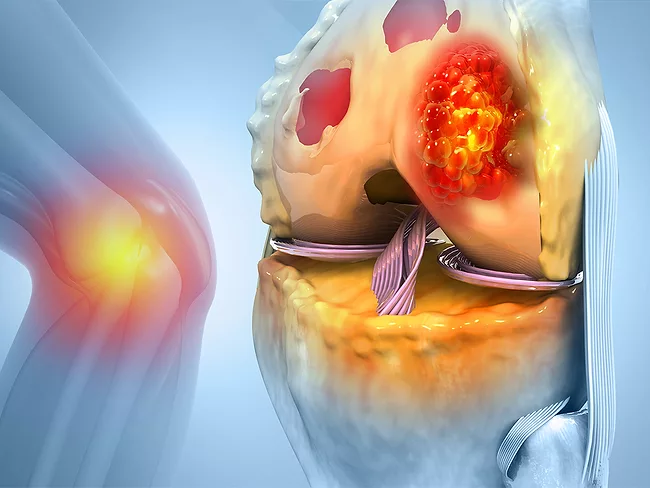
Sotio Biotech AS’s SOT-106 has been granted orphan drug designation by the FDA for the treatment of osteosarcoma. SOT-106 is a next-generation antibody-drug conjugate targeting leucine-rich repeat-containing 15 (LRRC15), a clinically validated target broadly expressed across sarcoma subtypes and in tumor-associated stroma.
Hanmi Pharmaceutical Co. Ltd. secured a $1.26 billion deal with Eli Lilly and Co. to out-license ex-Korea rights to sonefpeglutide (HM-15912), a Lapscovery-based glucagon-like peptide-2 analog in development for multiple indications, including an ongoing phase II study of short bowel syndrome. It was one of two billion-dollar Asian company deals signed by Lilly on June 1, with the second transaction involving Haisco Pharmaceutical Group Co. Ltd., of Beijing.
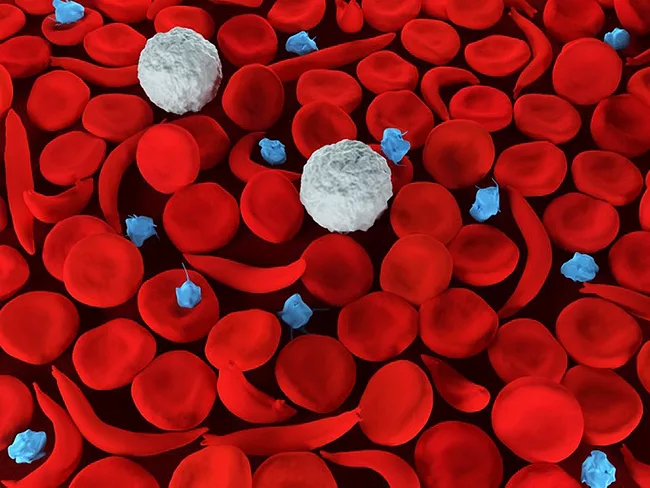
Shares of Fulcrum Therapeutics Inc. (NASDAQ:FULC) fell 54% after the company said it is discontinuing work on sickle cell disease (SCD) candidate pociredir, its only clinical-stage candidate, and reviewing strategic alternatives in the wake of the U.S. FDA’s safety concerns regarding the drug target.
Rather than reinventing the wheel for every gene therapy that uses genome editing, the U.S. FDA is advising sponsors on leveraging existing knowledge, be it publicly available or platform-based, to more efficiently advance their products across multiple stages of development.
Iovance Biotherapeutics Inc. has received IND clearance from the FDA for IOV-5001, a next-generation interleukin-12 (IL-12)-tethered tumor-infiltrating lymphocyte (TIL) therapy.
Voyager Therapeutics Inc. has obtained IND clearance from the FDA for VY-1706, the company’s investigational gene therapy for the treatment of Alzheimer’s disease.
 RSS
RSS